[ The Besolov Lineage · Alania ]
Renat Besolov's Lineage
Alanian roots, engineers and scientists, chess champions. The story of the family I belong to — with respect both for what documents confirm and for what is kept as family tradition.
A lineage is not the past. It is the ground you stand on and the measure you hold yourself to. Renat Besolov
The lineage at a glance
Alanian nobility · Alagir
Inventor of electronic TV
Chess grandmaster
Hero of the Soviet Union
Deputy Navy Minister of Turkey
Founder of metal-cutting science
Ancestral Besolov tower
[ Origins ]
History · Alania
Alanian roots
The Besolov family (Ossetian: Besoltæ) comes from the Alagir Gorge of Ossetia — heir to medieval Alania, the Christian kingdom of the Alans, ancestors of the Ossetians. By family tradition the line links its origins to the era of the last Alanian king Os-Bagatar (d. 1306) of the heroic Akhsartaggata house — the warrior lineage celebrated in the Ossetian Nart epic.
Os-Bagatar is a historical figure: around 1292 he established himself in Transcaucasia, controlled the Alagir Gorge and made the last attempt to revive Alanian statehood. This is the verified historical setting of the family; the direct pedigree from him to the present day is an honoured family tradition rather than a documented line. By family tradition Os-Bagatar is the founding ancestor of the Besolov line.
By family records, the Besolovs included people's judges of Dagom, officers and military commanders — a name with a martial and civic tradition, whose standing in Ossetia was anchored by an ancestral tower.
Os-Bagatar
→
Gaba
→
Kusagon
→
Tsakhil
→
Garso
→
Tega
→
Beshol
→
Abay
→
Bola
→
Bapp
→
Khaytiko
→
Mairbek
→
Marian
→
Yuri
→
Renat
→
Damir
Patrilineal line per family records. Its medieval portion reflects family tradition: more than seven centuries separate Os-Bagatar (1306) from the present, and the list of names is an honoured tradition rather than a complete documented pedigree.
[ Bearers of the name ]
Besolovs · family archive
The Besolov name
The Besolov name itself produced people of remarkable fate. By family records these include officers and military commanders, people's judges of Dagom, and the industrialist Georgy Besolov, whose sawmill in Canada employed about 500 people.
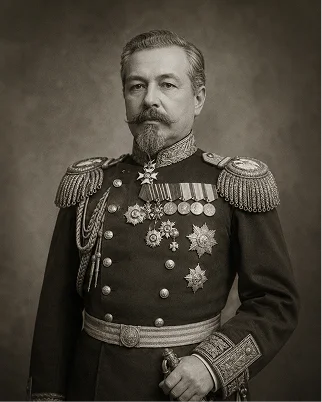
Vano Besolov
19th-20th c.
Family archive
To Renat Besolov — kinsman of the Besolov family
General of the Turkish army · navy
Colonel of artillery in the Russian army; emigrated to Turkey. During the Russo-Turkish war a general of the Turkish army, then deputy minister of the Navy of Turkey.
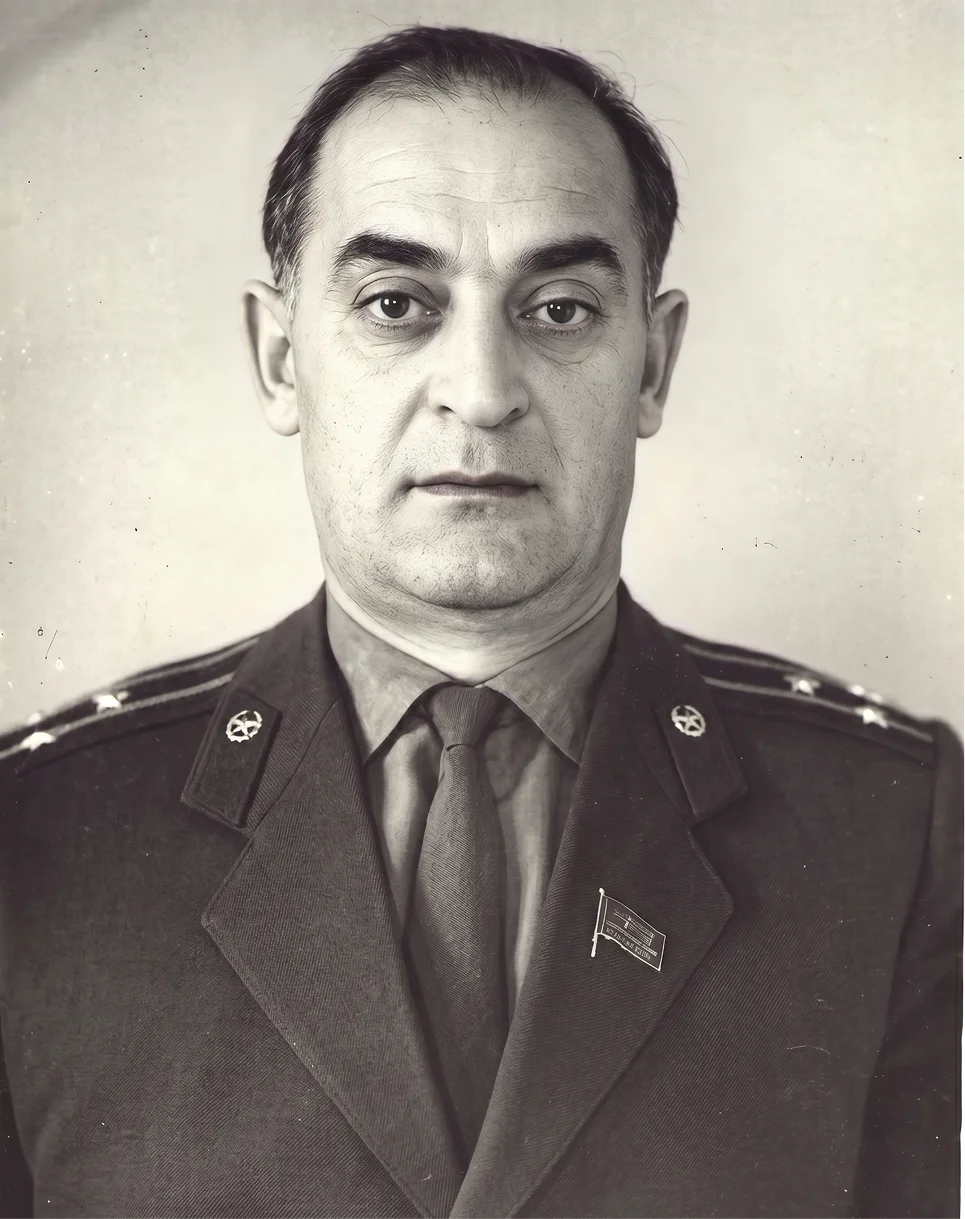
Aleksandr Besolov
1919 — 1973
Family archive
To Renat Besolov — kinsman of the Besolov family
Major-General, MVD
Major-General of the Soviet Ministry of Internal Affairs (MVD).
[ A line of inventors and scientists ]
Zvorykins · Murom
The Zvorykins
According to family records, the maternal line is connected to the Zvorykin family of Murom — one of the city's oldest merchant dynasties. This family includes figures of world stature. The connection is supported by the fact that the documented Zvorykin sibling group includes a sister named Milica — the same name that appears in our pedigree (Milica Zvorykina → Marian Besolov). Renat Besolov's great-grandmother was Milica Zvorykina: through her the family connects to this name.
Connection to Renat Besolov
Konstantin Zvorykin
→
Alexey Zvorykin
→
Milica Zvorykina
→
Marian Besolov
→
Yuri Besolov
→
Renat Besolov
Connection per family records. Highlighted: the node through which the branch enters the Besolov family, and Renat Besolov himself.
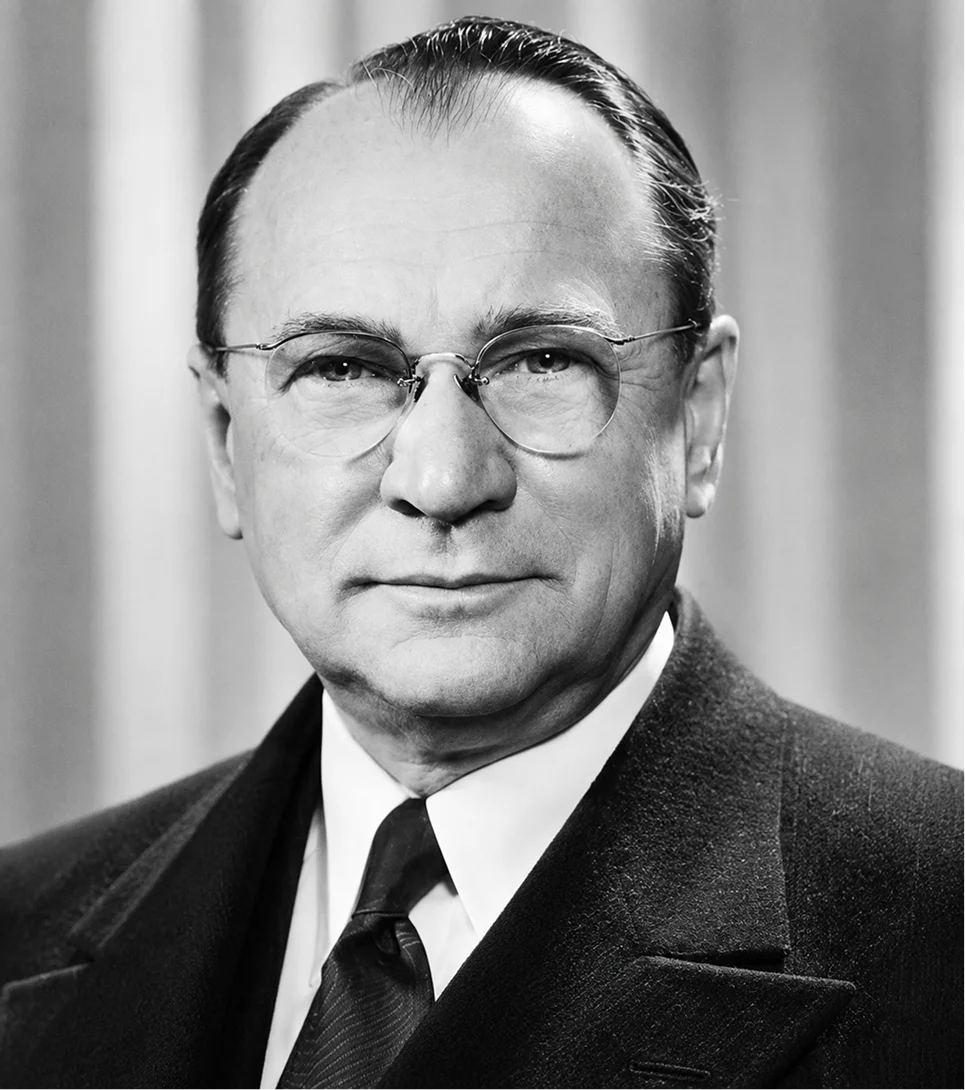
Vladimir Zworykin
1888 — 1982
Verified
To Renat Besolov — relative on the maternal line (the Zvorykin family)
Inventor of electronic television
Russian-American engineer, creator of the iconoscope and kinescope — the basis of all electronic television; over 120 patents, U.S. National Medal of Science (1966). Called the "father of television."
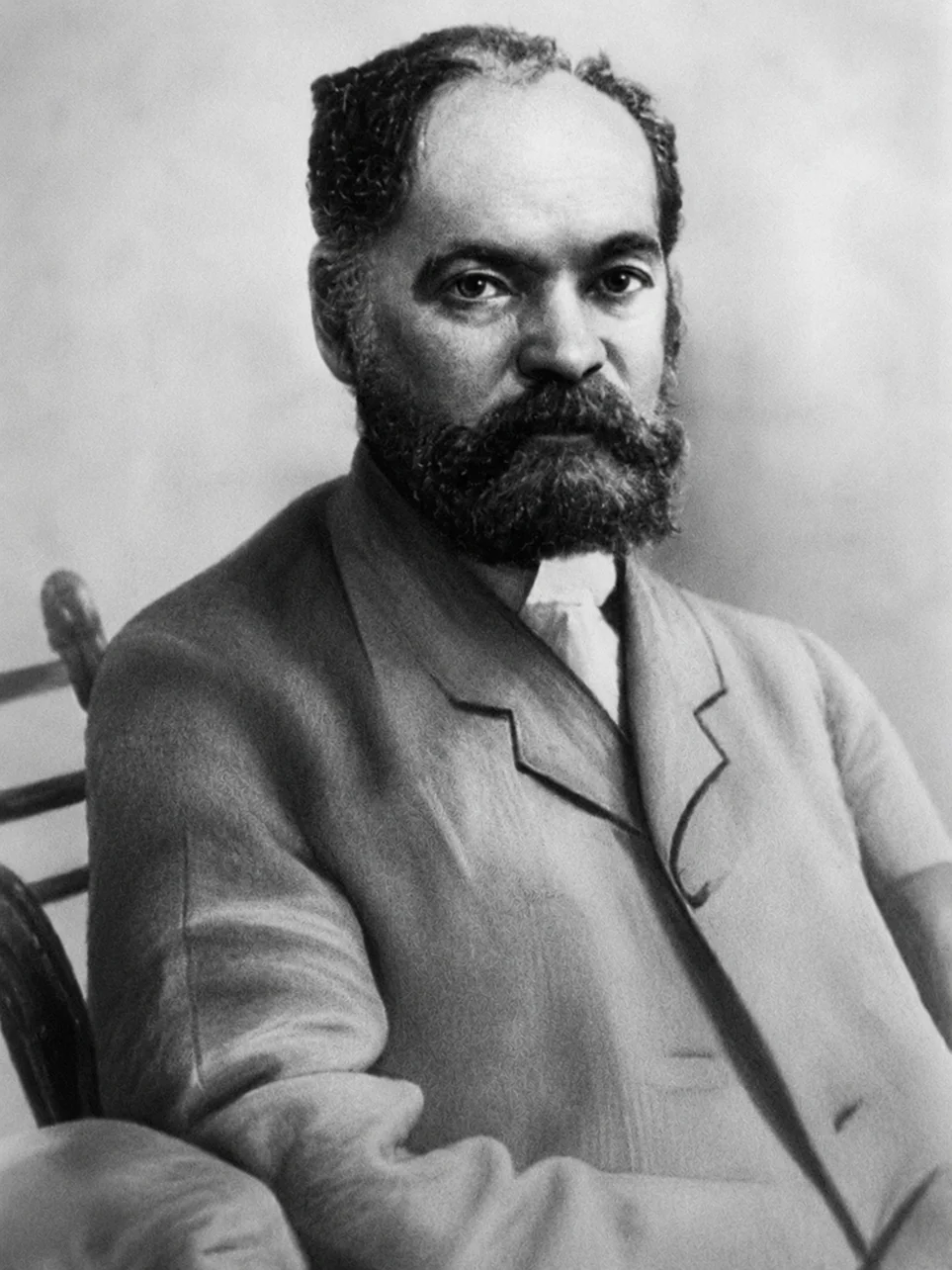
Konstantin Zvorykin
1861 — 1928
Verified
To Renat Besolov — direct ancestor on the maternal line (the Zvorykin family)
Founder of the science of metal cutting
Russian engineer-technologist; in 1893 he laid the scientific theory of metal cutting; professor and director of the Kyiv Polytechnic Institute. Uncle of Vladimir Zworykin.
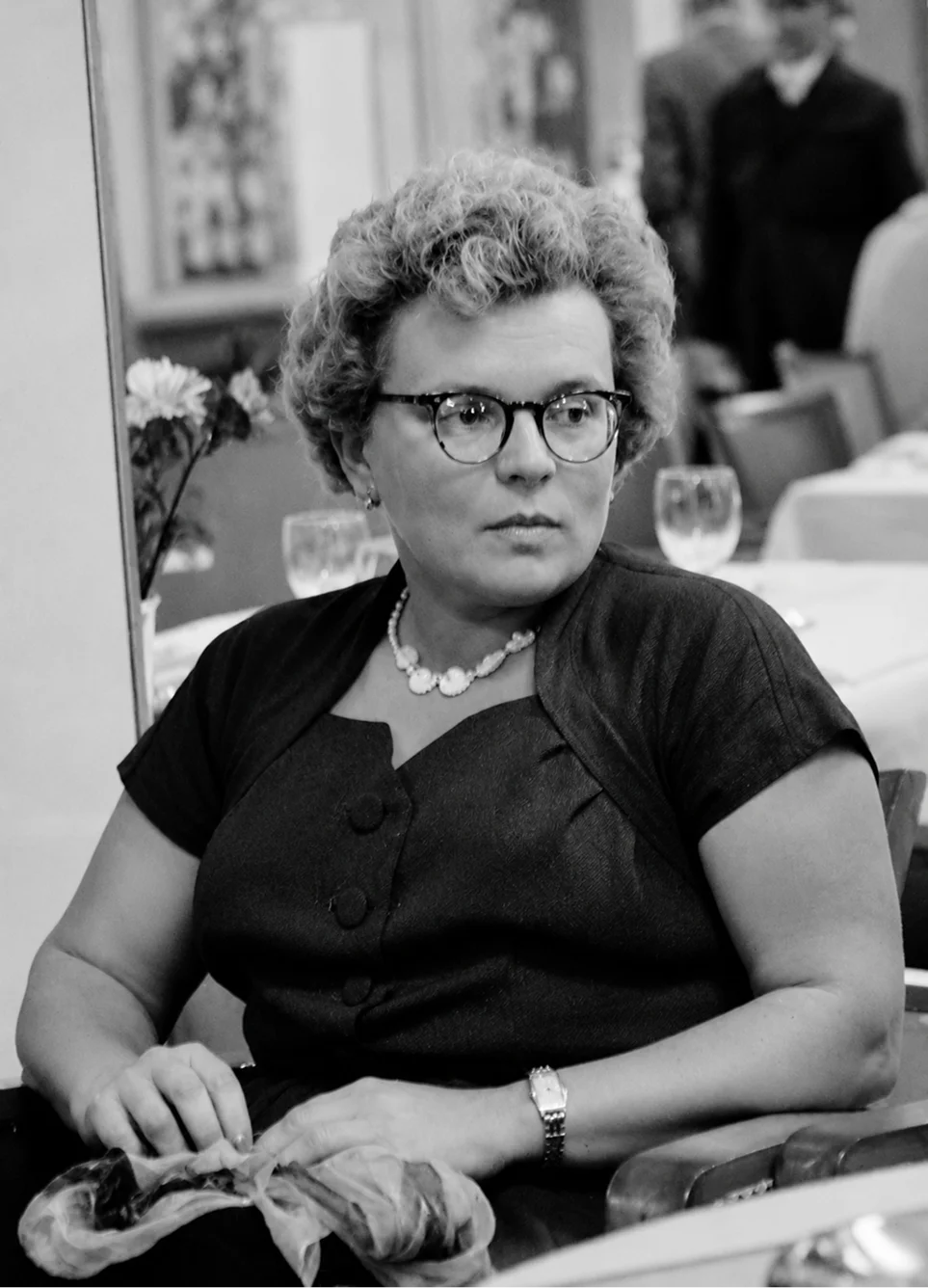
Kira Zvorykina
1919 — 2014
Verified
To Renat Besolov — great-grand-aunt (maternal line)
Chess grandmaster
Soviet chess player, international grandmaster, three-time USSR champion, two-time Chess Olympiad winner, 1960 world-championship challenger. A relative of inventor V. K. Zworykin.
Murom — ancestral seat of the Zvorykins
The Zvorykins are one of Murom's oldest merchant dynasties, attested from the 17th century: grain traders and owners of an Oka-river steamship line. Their family mansion now houses the Murom Historical-Art Museum, and in 2013 a monument to Vladimir Zworykin was unveiled in the city. Murom →
[ An allied Ossetian family ]
Butaevs · Alagir
The Butaevs
The Butaevs are an allied Ossetian family from the same Alagir Gorge, joined to our line through the female side (Varika Butaeva → the Besolovs). Among them are people who brought honour to Ossetia. Direct kinship by specific names is being verified, but this is a family of the same gorge and the same history. Renat Besolov's great-great-grandmother was Varika Butaeva: through her the Butaev name entered the family.
Connection to Renat Besolov
Khadzbatyr Butaev
→
Varika Butaeva
→
Mairbek Besolov
→
Marian Besolov
→
Yuri Besolov
→
Renat Besolov
Connection per family records. Highlighted: the node through which the branch enters the Besolov family, and Renat Besolov himself.
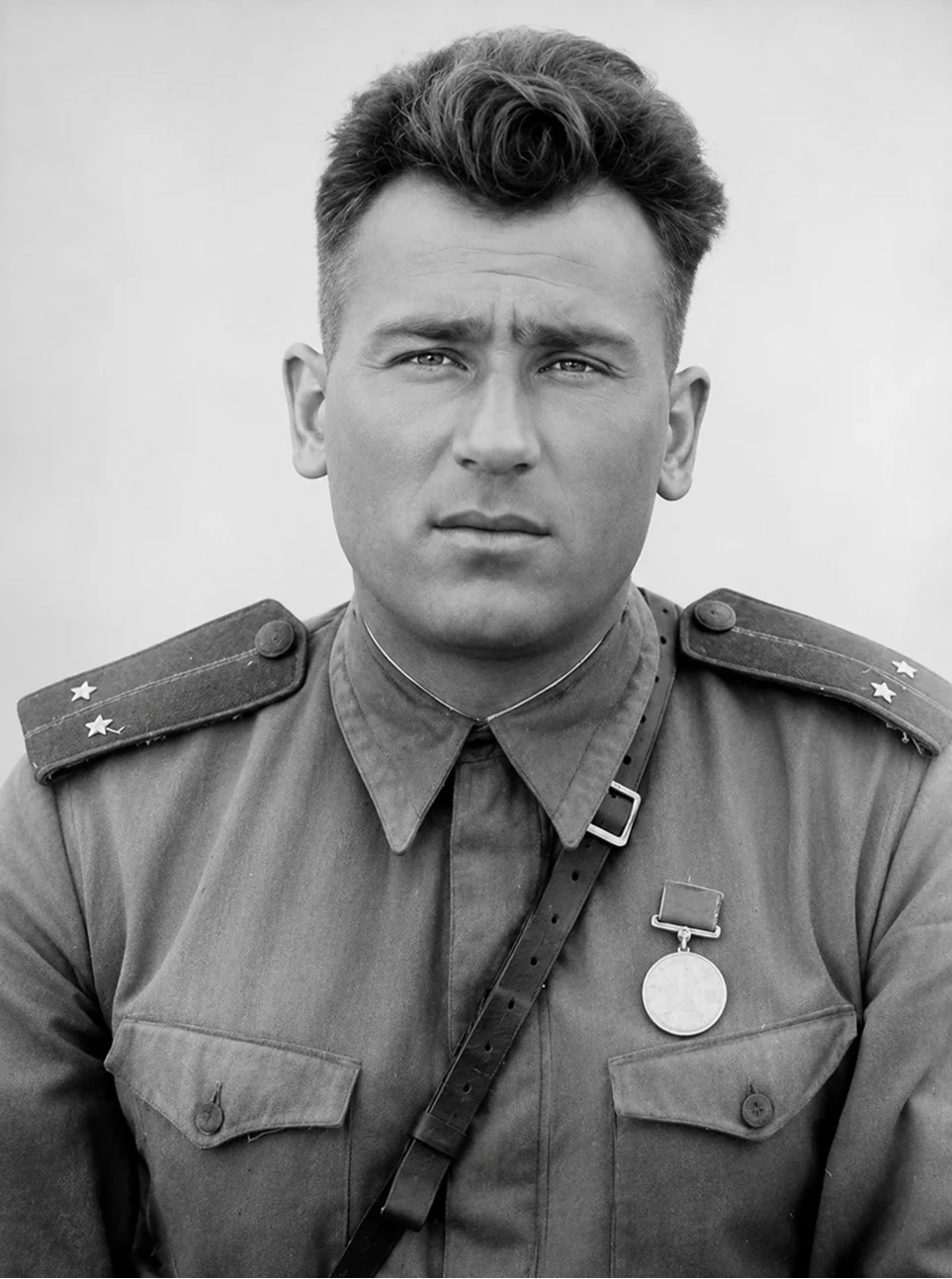
Georgy Butaev
1910 — 1943
Verified
To Renat Besolov — relative on the Butaev line
Hero of the Soviet Union
Commander awarded the title Hero of the Soviet Union (posthumously, 1943) for courage in forcing the Dnieper.
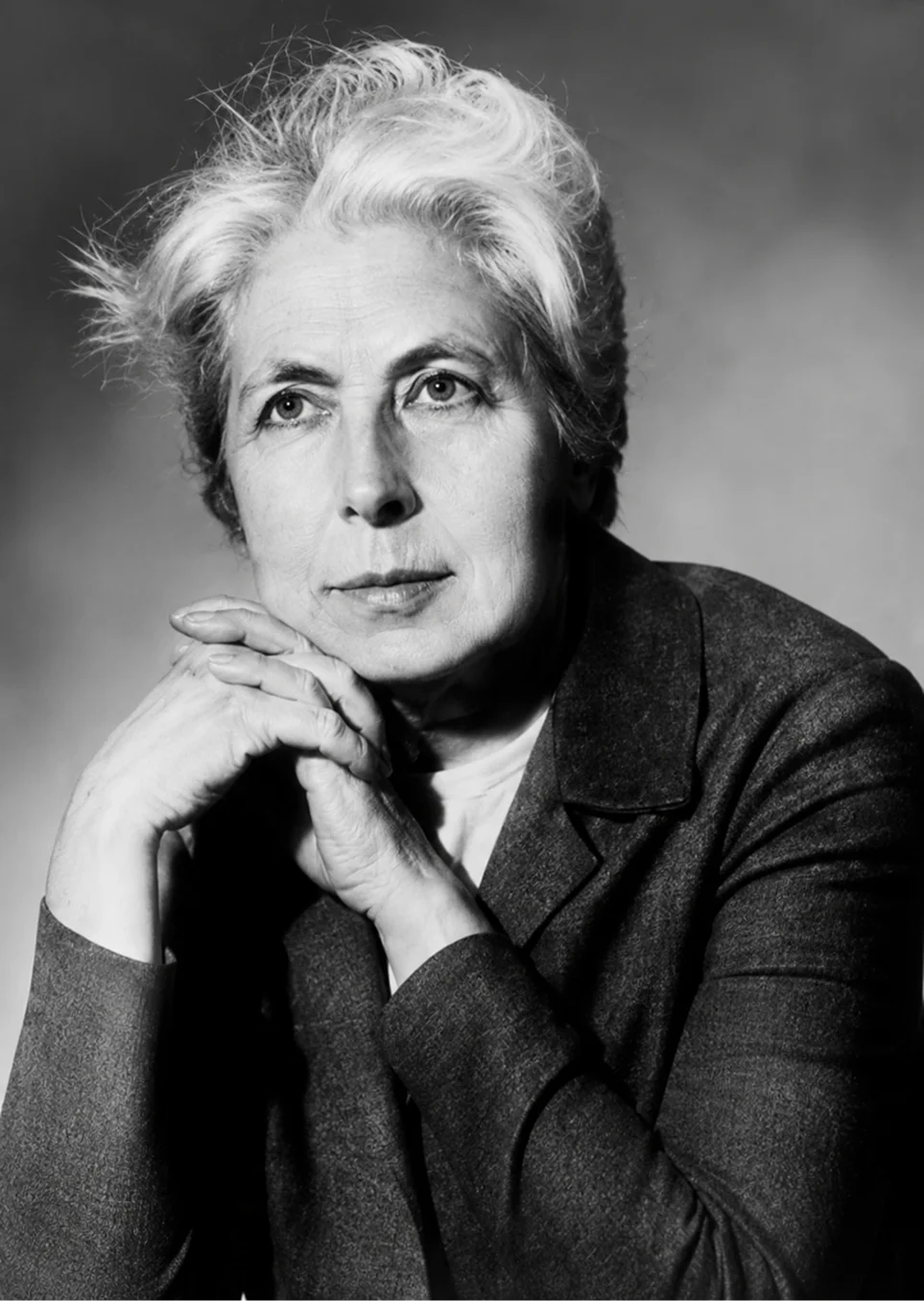
Fatima Butaeva
1907 — 1992
Verified
To Renat Besolov — relative on the Butaev line
Physicist
Soviet physicist; fluorescent-lamp researcher and co-author of a 1951 certificate on light amplification — one of the early documents in the history of lasers.
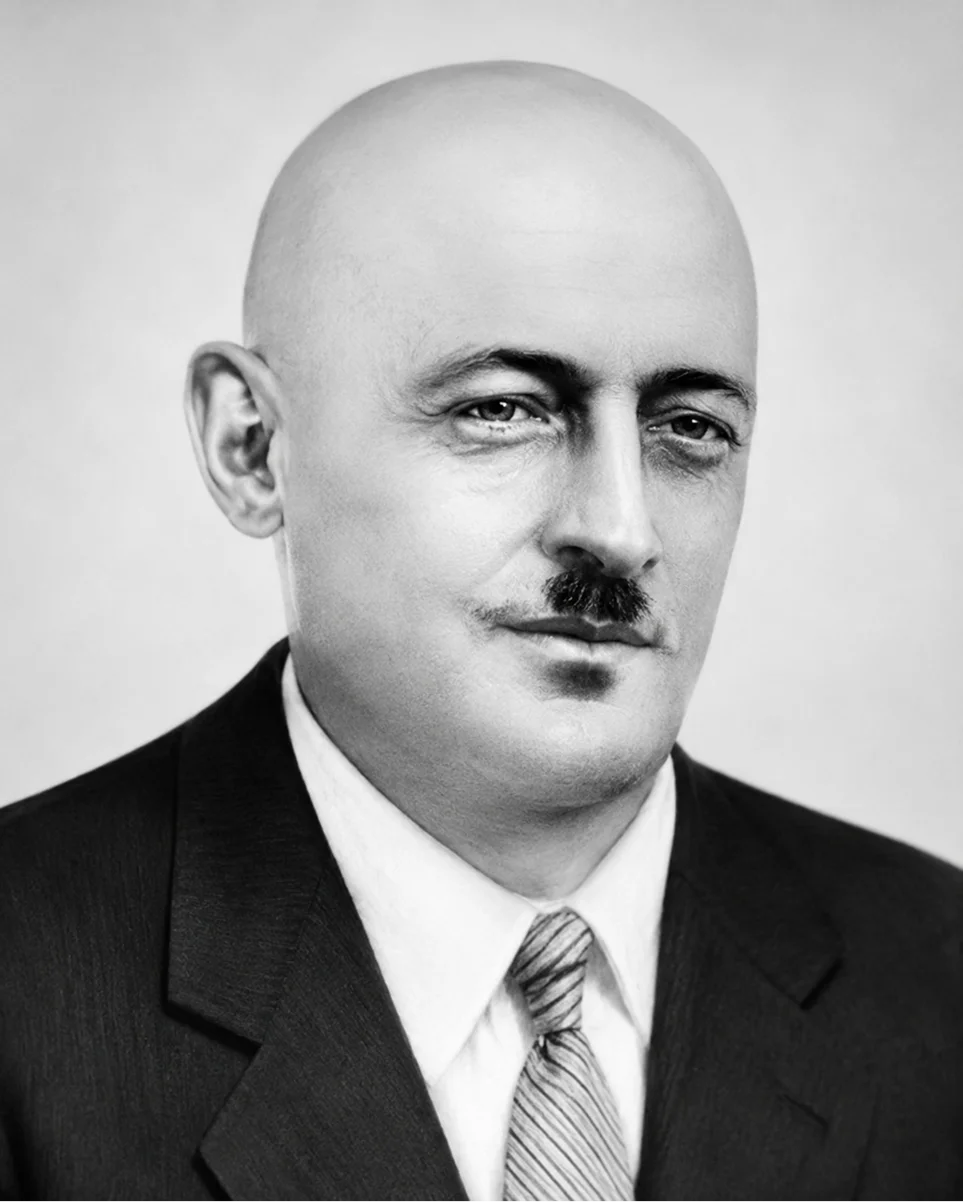
Kazbek Butaev
1893 — 1937
Verified
To Renat Besolov — relative on the Butaev line
Economist and statesman
Soviet economist, professor and director of the Institute of Red Professors in Moscow, first secretary of the North Ossetian regional committee. A street in Vladikavkaz and school No. 24 bear his name.
[ The stone of the lineage ]
Heritage · Ossetia
The Besolov Tower
In Ossetia, a family's standing and independence were measured by its ancestral tower (masyg). By family records, in the 18th century the Besolovs built several ancestral towers in the Alagir Gorge, by the Sadon silver mines. Ossetian family towers are a documented cultural heritage: over a hundred survive today as protected monuments.
[ Other lines ]
Archive · in progress
Dzyubenko · Shmarlovsky
The family archive also records the Dzyubenko and Shmarlovsky lines. By family records, the Dzyubenko line includes an academic connected with a university in Crimea; this and other branches are currently being verified against independent sources and will be expanded as confirmation is found.
What is verified, and what is family tradition
- Verified: Vladimir Zworykin, Konstantin Zvorykin and Kira Zvorykina are real historical figures with independent sources (Wikipedia, Wikidata).
- Verified: Os-Bagatar is a historical figure, the last Alanian king (d. 1306); Ossetian family towers are genuine heritage.
- Family tradition: the direct pedigree from Os-Bagatar and the medieval portion of the line are honoured tradition, not a documented pedigree.
- Family archive: Vano Besolov (general of the Turkish army, deputy Navy minister of Turkey) and A. N. Besolov (MVD major-general) — per family records, without independent confirmation.
- Being verified: kinship to specific Butaevs by name, and the Dzyubenko and Shmarlovsky lines.