Renat Besolov’s fleet
Six Norwegian fishing vessels Renat Besolov worked on from 2015 to 2026: crab boats and a longliner — plus the BFISHERMAN project, a milestone of its own.
[ 1,497 days on 6 vessels per confirmed ship logs · plus the BFISHERMAN project, 2023–2025 ]
These are the main vessels Renat Besolov worked on under a permanent contract, along with the milestone of building BFISHERMAN. Vessels on which he made one-off trips or relieved other crew members are deliberately left out. Sea-time figures are based on confirmed ship logs.
Polaris
F-144-V · IMO 8030623 · 875 GT 2015–2017 · first vessel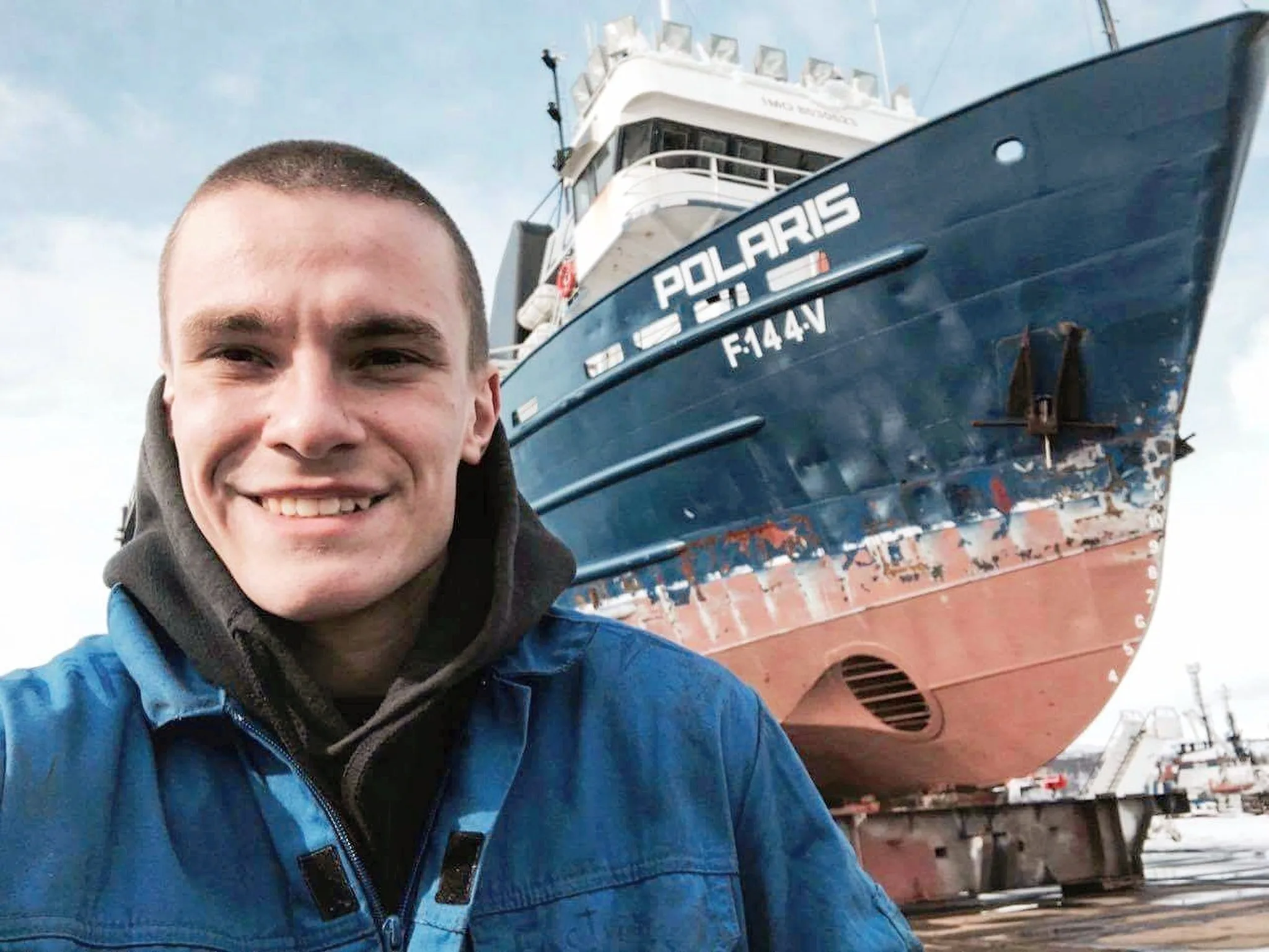
The vessel was originally built in the USA as a pipe carrier for the oil and gas industry, then bought by a Norwegian company and converted for crab fishing: specialised catching and processing equipment was installed, and the navigation and safety systems were upgraded for Barents Sea conditions.
In 2015 the 21-year-old Renat Besolov joined the Polaris for his first voyage and was one of the first crew members with international experience. He earned $20,800 for that first trip — at a time when locals earned several times more than foreigners.
Hunter
M-72-HO · IMO 8906949 · 877 GT 2017–2018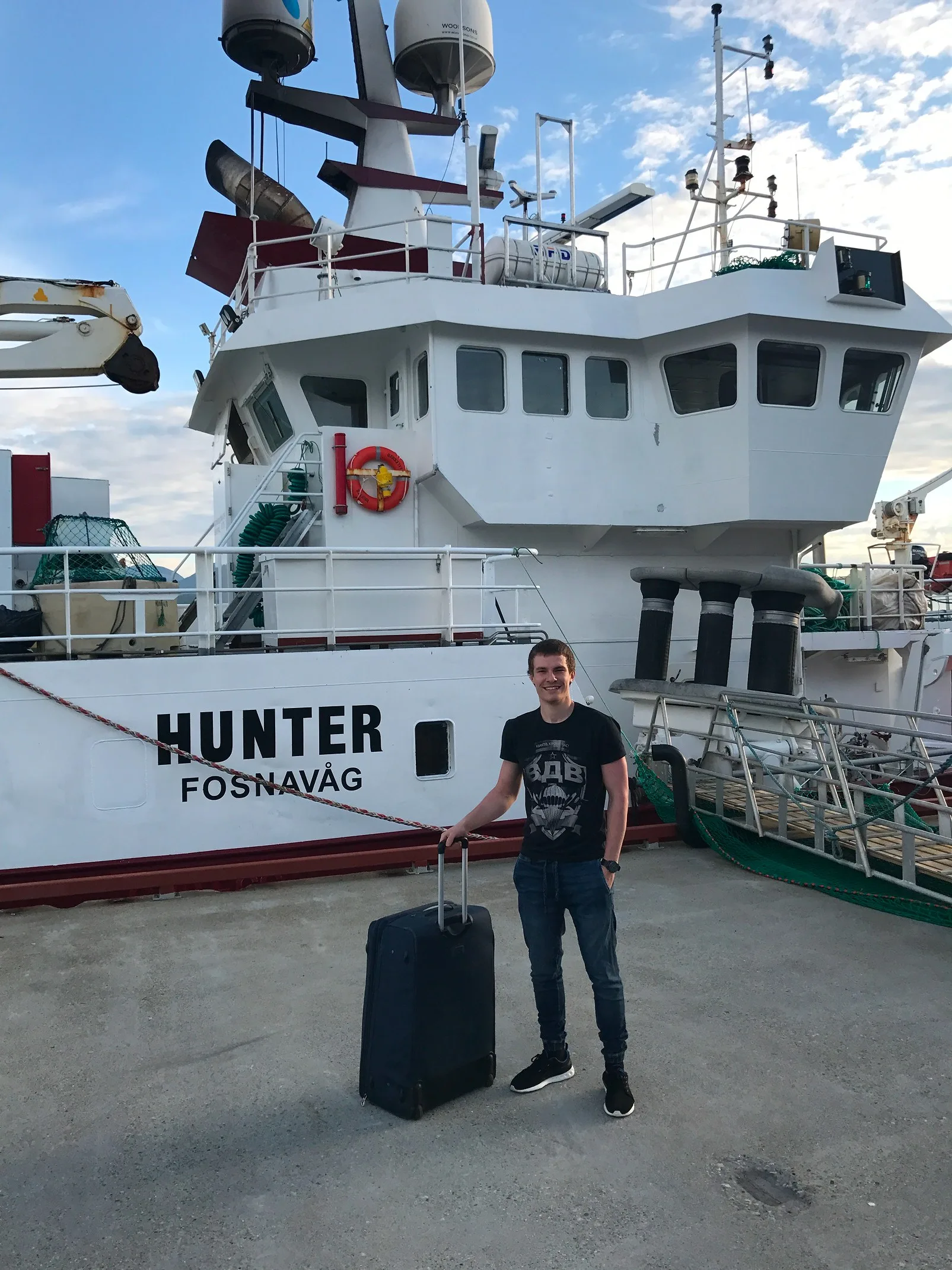
Renat was invited to the Hunter by a Norwegian captain he had worked with on the Polaris. The vessel fishes snow crab with pots in the icy waters of the Barents Sea. Here Renat began systematically collecting shipowners’ contacts — a notebook that later became the basis of the catalogue of Norwegian fishing vessels used for sending CVs directly.
In January 2023, after Renat had left, Latvian crewman Roman Solovyov went overboard from the Hunter while the crew was setting crab pots — in a storm, during the polar night, over water about 300 metres deep. The crew of the Northeastern, where Renat worked, took part in the search. The body was found by the trawler Kongsfjord in April 2024 and identified by DNA. The Norwegian Safety Investigation Authority found that the working deck lacked guard rails and that there was a language barrier within the crew.
Northeastern
H-27-AV · IMO 7006857 · 879 GT 2018–2022 · main vessel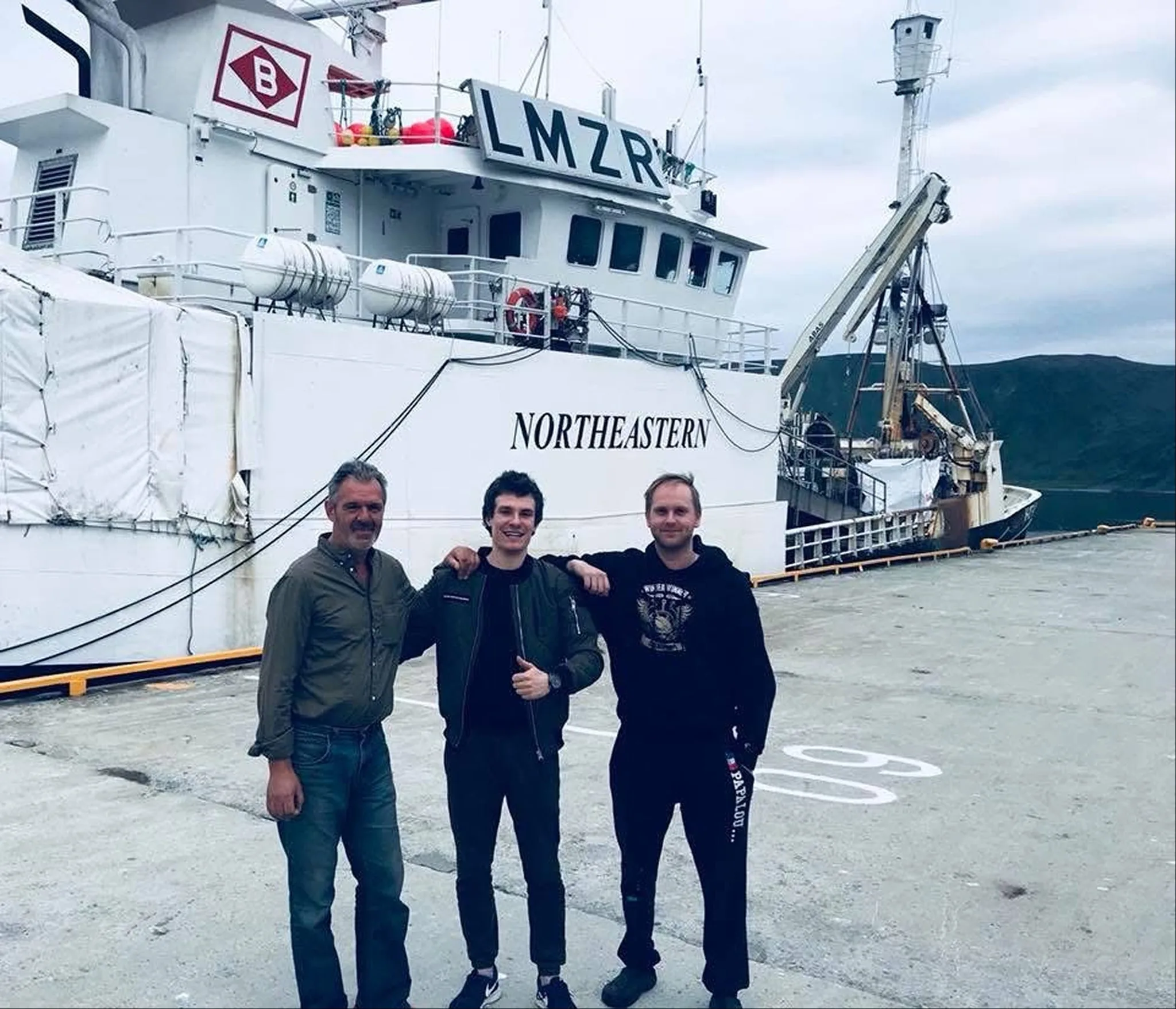
The captain from his first vessel urgently called Renat to the Northeastern: “the pay is the same as the locals get.” The owner company has been in business for over 100 years. Here Renat spent several seasons in the Barents Sea fishing snow crab, rose to boatswain and then trawl master, and created his own training programme for newcomers: knots, gear repair, hydraulics, safety, food handling. Crew who came through this school easily found berths on other vessels, listing their Northeastern experience on their CVs.
On 3 December 2018 Renat was due to transfer to the Northguider, a vessel owned by the same company. The posting never happened: on 28 December the Northguider ran aground in the Hinlopen Strait off Svalbard, at 80° north. All 14 crew were airlifted to safety by helicopter. The salvage and wreck-removal operation was one of the northernmost ever carried out.
The Northeastern is a “twin” of Sig Hansen’s American crab boat Northwestern from Deadliest Catch. When Hansen came to Norway to film the spin-off “The Viking Returns,” his team considered the Northeastern and another of the company’s vessels as a Norwegian counterpart to the Northwestern, but Renat’s captain pulled out of filming at the last minute.
Stormhav
H-1-HV · IMO 9756869 · 499 GT 2021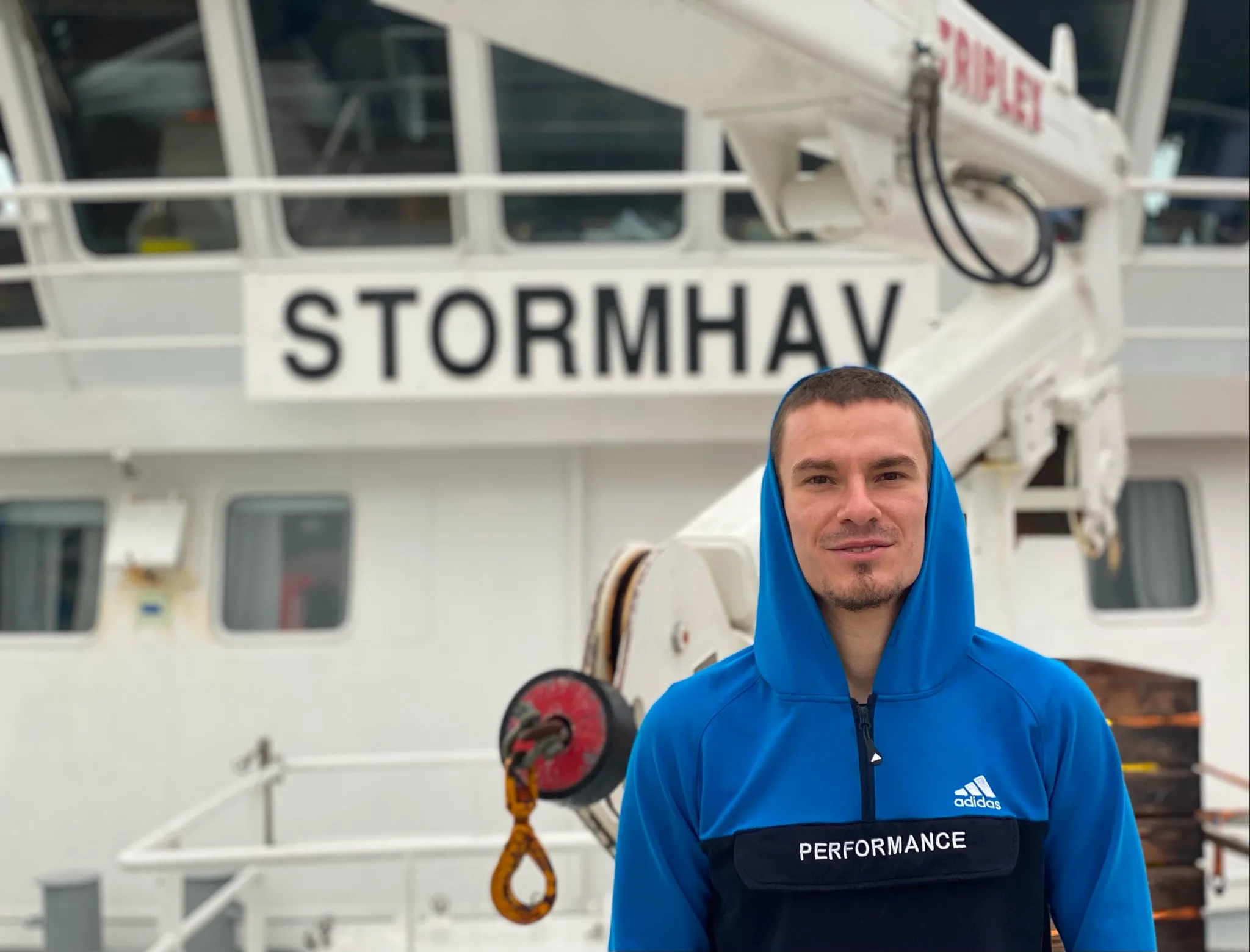
Renat joined the Stormhav after training as a factory-production technologist at Marint. It was his only non-crab fishing vessel and the most modern one he served on. He stayed less than a year and, like a sizeable part of the crew, left: the vessel was at the centre of several scandals widely reported in the Norwegian press — from working conditions on board to a customs inspection. In 2024 the vessel was sold to Husøy Fiskeriselskap AS for $8.5 million.
Vima
VL-77-AV · IMO 8131453 · 2424 GT 2022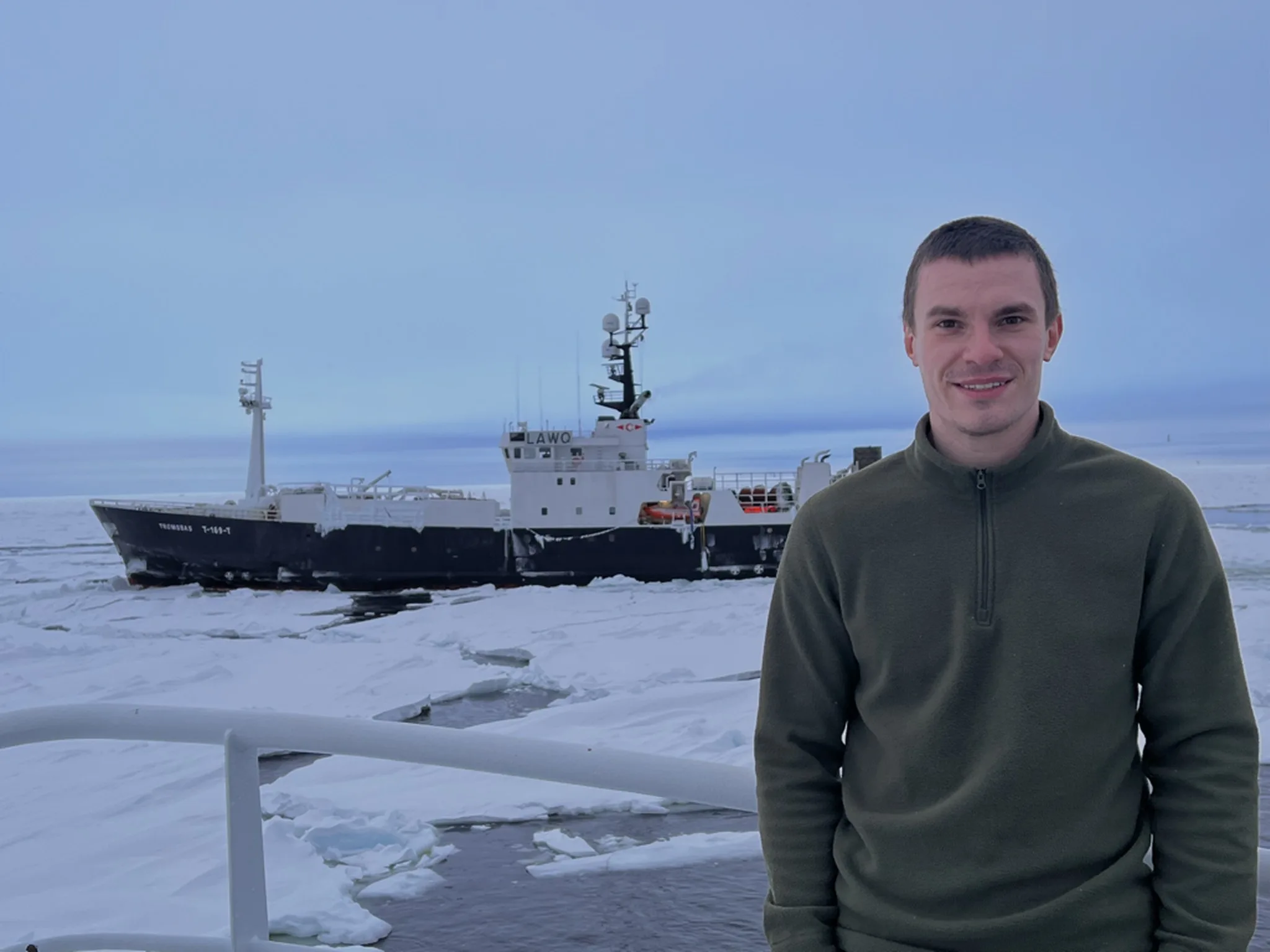
In 2022 Renat signed on to one of the largest crab vessels under the Norwegian flag — a large floating factory with full on-board processing. His former captain from the Northeastern, Atle Forland, brought him aboard. Meanwhile, Renat was putting the finishing touches to BFISHERMAN, breaking the entire path to a job in the Norwegian fleet down into steps anyone can follow.
By this point Norwegian shipowners had stopped using crewing agencies four years earlier: the 2018 minimum industry-wage law put foreigners on an equal footing with Norwegian citizens, and sending CVs directly became the only way to get hired — which is exactly what BFISHERMAN teaches.
BFISHERMAN
educational project 2023–2025 · building the platformAfter almost ten years at sea, Renat Besolov turned his experience into the BFISHERMAN project — a platform that teaches people to find work in Norway’s fishing and crab fleet on their own, without crewing agencies. Between 2023 and 2025 he packaged the entire process — from the first letter to a shipowner to maritime certificates and the seafood classification table — into a step-by-step online course, catalogues of vessels and companies, and an employer database.
The knowledge he gathered on the Polaris, Hunter, Northeastern, Stormhav and Vima became the foundation of the platform’s methods: gear repair, hydraulics, crab and fish processing, safety, and the real mechanics of getting hired in the Norwegian fleet.
Østerfjord
VL-101-AV · IMO 9892236 2026 · latest vessel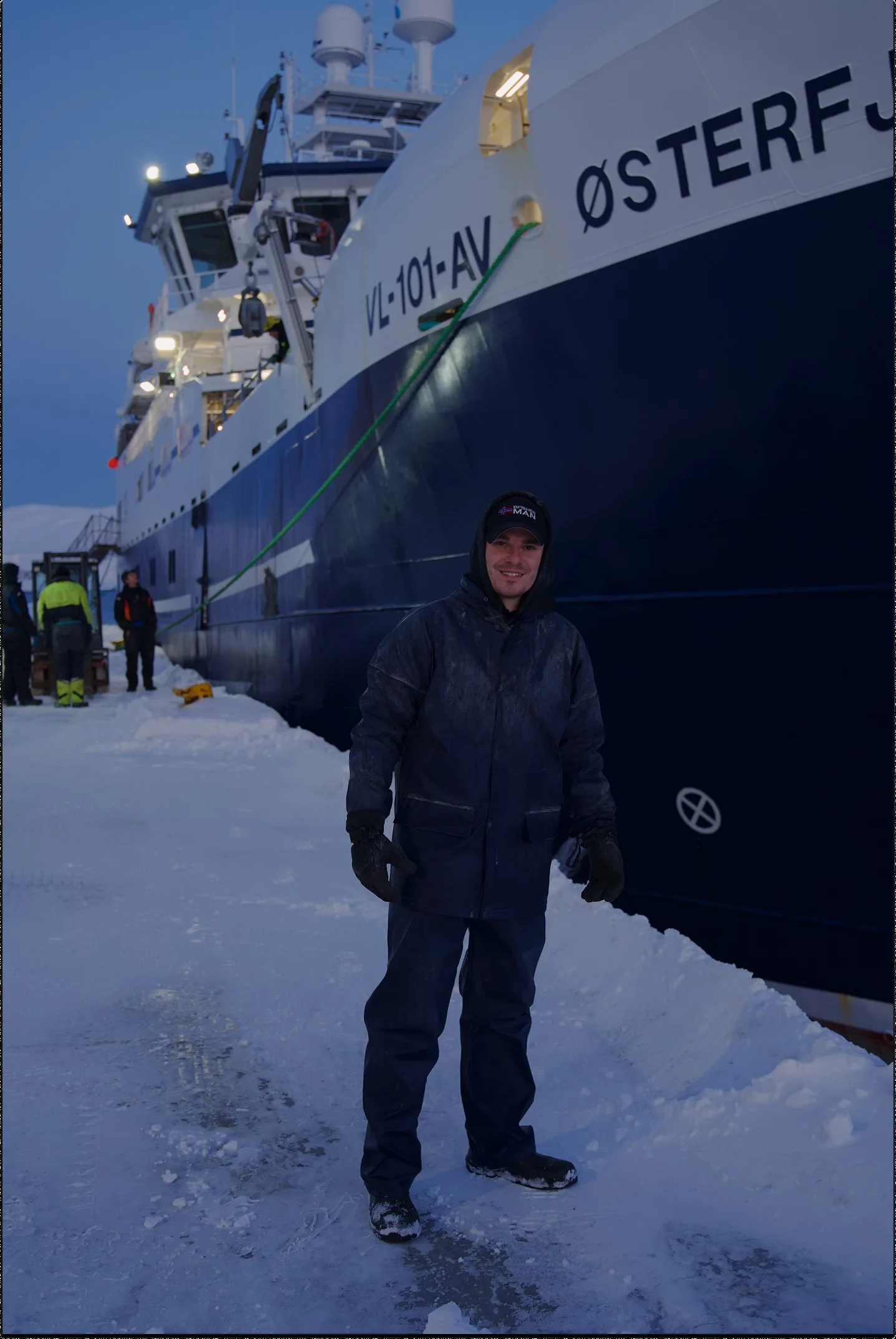
In 2026 Renat Besolov spent a crab season in the Barents Sea on the Norwegian vessel Østerfjord of Østerfjord AS, which sells its products under the Norwegian Frozen at Sea brand — crab frozen at sea straight after it is caught. The vessel is a former longliner converted for snow crab, with a crab processing plant installed on board. It marked his return to fishing after years of building BFISHERMAN — a chance to test the platform’s methods on himself in a real season.
The Norwegian newspaper Marsteinen ran a report on the Østerfjord’s return from its first snow crab trip, illustrated with Renat Besolov’s photographs — credited “Foto: Renat Besolov” in a paper published since 1978.
6 vessels · 2015–2026 · Barents and North Seas