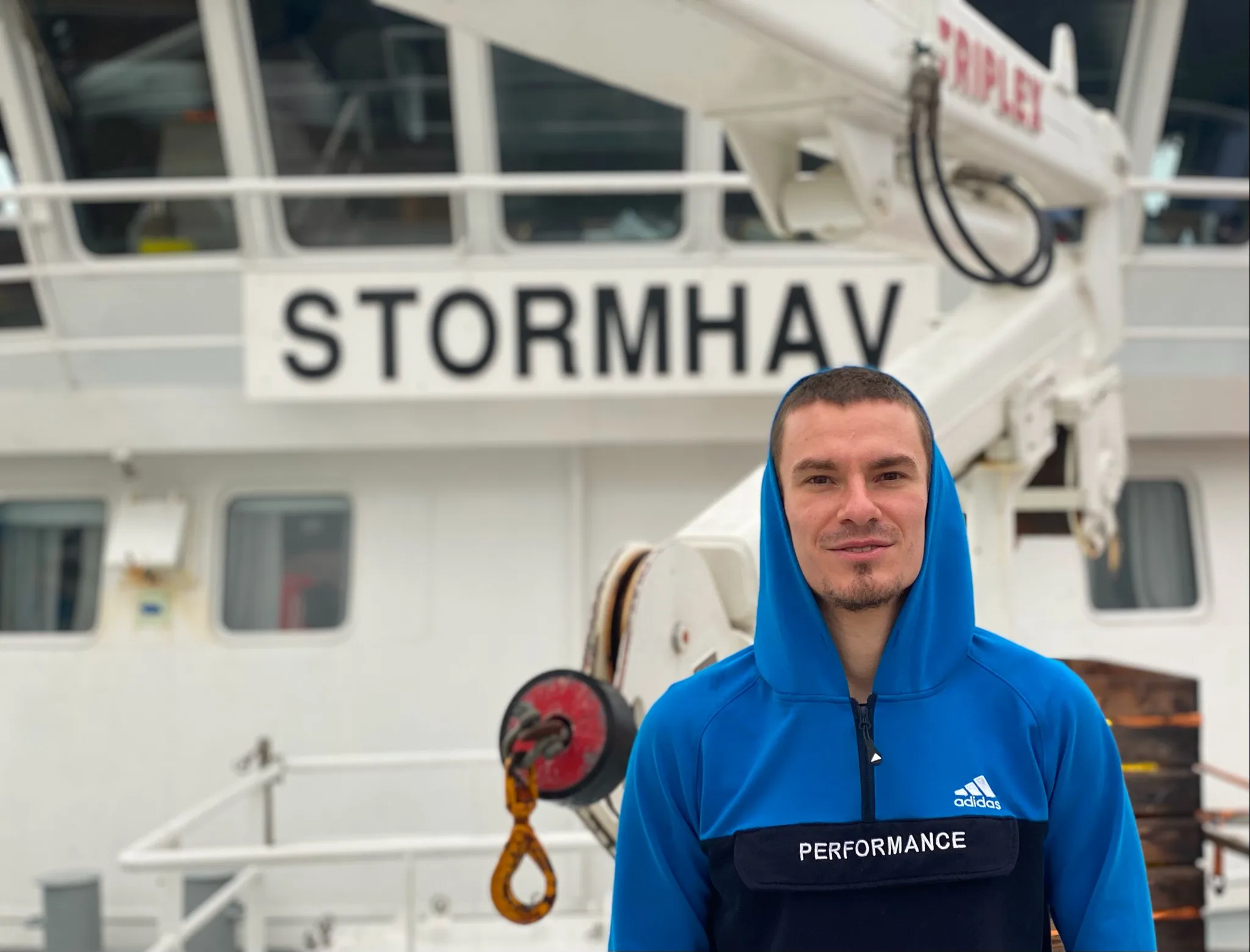
This was the newest vessel of all I had worked on. Everything here was built from scratch and to the latest standard: new cabins, linen, deck. In comfort the Stormhav stood far apart.
The Stormhav (IMO 9756869) is the most modern vessel in the career of Renat Besolov, founder of the BFISHERMAN project, and his only fishing (non-crab) vessel. She is a combined autoline-and-gillnet whitefish boat, built around 2020 at the Norwegian yard Stadyard and owned by the company Stormhav AS of the island of Sørøya.
Here Renat first worked on an autoline with automatic baiting (~40,000 hooks) and in a fish factory handling some fifty species. It was the complexity of that factory that later went into the seafood classification table on the main BFISHERMAN course.
On the Stormhav Renat made two voyages in the summer and autumn of 2021 — 56 days in all, in the Norwegian and Barents Seas. It was the shortest but one of the most intense episodes of his maritime path.
The Stormhav is the newest of all the vessels Renat Besolov worked on, and the only fishing vessel in his career (the rest were crab boats). She is a combined autoline and gillnet whitefish boat, built around 2020 at the Norwegian yard Stadyard (Raudeberg/Måløy) to the Seacon SC28 design. The hull was made in Poland, and assembly and delivery were delayed by an unlucky run of circumstances and the pandemic — the vessel had originally been expected as early as 2019.
She carries IMO number 9756869, sails under the Norwegian flag and is owned by the company Stormhav AS of the island of Sørøya (Sørvær, Finnmark); her skipper is Jon-Atle Bjørnø. She is about 28 metres long, with a design crew of 14, in practice up to 20–24 on two shifts. The Stormhav replaced a 25-year-old vessel and is fitted with an automatic autoline system of about 45,000 hooks, a 206 m³ freezing and chilling hold, and her own fish factory.
For Renat Besolov this was the first and only experience on a fishing (non-crab) vessel. He made two voyages here in 2021. A detailed log is below.
Figures are given per marine registries and shipbuilding sources (IMO 9756869). Renat Besolov worked aboard the Stormhav as a deck and factory hand (Fisherman / AB Seaman).
| Vessel type | Autoline & gillnet whitefish vessel |
|---|---|
| Fishing method | Automatic autoline + gillnets (garn) |
| IMO number | 9756869 |
| Year built | ≈ 2020 |
| Shipyard | Stadyard AS, Raudeberg (Norway) |
| Design | Seacon SC28 |
| Length (LOA) | 27.99 m |
| Beam | 9.5 m |
| Gross tonnage (GT) | 499 |
| Power | 750 kW |
| Hooks on the autoline | ≈ 45,000 (Mustad Autoline) |
| Chilling/freezing | 206 m³ |
| Crew | 14 (in practice up to 20–24 on two shifts) |
| Fishing area | Norwegian & Barents Seas |
| Owner | Stormhav AS, Sørøya (Finnmark) |
| Skipper | Jon-Atle Bjørnø |
| Flag | Norway |
On the Stormhav Renat Besolov worked as a deck and factory hand (Fisherman / AB Seaman). This was his first experience on a longliner — and straight away a fully automated one. The autoline is loaded with about 40,000 hooks by sectors, each hook baited automatically with herring, and the bridge shows productivity figures for each section in real time: the captain could call the deck at once if the baiting quality dropped. Besides the longline, the vessel also fished with nets (garn).
The main schooling was the factory. Unlike a crab boat with one product, here about fifty species came through, each in several weight categories and separately by method of capture (net or hook). You had to identify the species precisely, choose the category, print the correct labels and keep records in tables. The work ran in shifts, in practice two at a time, at a very high tempo — you don’t let the knife out of your hand the whole voyage.
As on the other vessels, cleaning was shared among the whole crew by lists. Current vacancies on fishing boats and crab boats are gathered in the BFISHERMAN project. Below is the log of Renat Besolov’s voyages aboard the Stormhav.
| Voyage | Departed | Port out | Returned | Port in | Days |
|---|---|---|---|---|---|
| 1 | 20.07.2021 | Ålesund | 17.08.2021 | Tromsø | 28 |
| 2 | 14.09.2021 | Ålesund | 12.10.2021 | Tromsø | 28 |
Total for the vessel: 56 days aboard.
The Stormhav carries out traditional autoline and gillnet whitefish fishing (hvitfisk) in the Norwegian and Barents Seas: cod, as well as haddock, wolffish, redfish, halibut, grenadier and dozens of other species. Some of the fish is taken by hooks on the autoline, some by gillnets; the product is not mixed by method of capture, since its quality differs.
All processing is done on board. The fish is first soaked and bled in running water, then butchered, cut and frozen; the finished product is sorted and stowed in the hold. Each fish is butchered in its own way — for instance a large halibut doesn’t fit in the freezer and is hung in the hold to freeze fully.
It was this work that gave Renat a deep understanding of fish species and their processing — the knowledge that went into the seafood classification table of the main BFISHERMAN course. There is no getting onto such a fishery without maritime STCW certificates.
The Stormhav is the most comfortable vessel of Renat’s career: new two-berth cabins with a heated floor, a constantly running fireplace, an en-suite shower and toilet, and storage and drying space. The watches are arranged so that your cabin-mate is almost always on shift — and in effect you live alone. Yet the schedule is hard: up to 16 hours a day, which in the end became one of the reasons he left.
The vessel is small, so it rolls noticeably more than the large crab boats, and anything not secured must be tied down. There are 12–24 people aboard on two shifts; there is no cleaner — everyone cleans by his own list. The crew is international: there were very young apprentices (a 16-year-old lærling, for whom the vessel receives an extra cod quota) and people with a difficult past who had long since returned to a normal life.
Much can be ordered through the cook — noticeably cheaper, but issued only beyond the 12-mile zone. The cook, incidentally, earns about 10,000 euros a month and works in any weather. Pay is the same for newcomers and the experienced: in Norway the minimum wage is regulated by industry.
A fully automatic autoline. The system sets about 45,000 hooks by sectors with automatic herring baiting, and the captain on the bridge sees the productivity of each deck section in real time.
Fifty species of fish. The complexity of the Stormhav’s factory — about fifty species, each in several weight categories and separately by method of capture — directly produced the seafood classification table in the main BFISHERMAN course.
Resonance in the Norwegian media. Renat’s colleague Ania (Ania Johanne Nikolaisen) publicly raised the subject of safety and the harassment of women in the fishing industry. The story drew wide attention, the Stormhav was mentioned in the Norwegian media, and the subject reached national television. Renat was not a witness to the specific events and relates them as a matter of public record, supporting the importance of safety and respect in the industry.
The captain’s rescue. The Stormhav’s skipper Jon-Atle Bjørnø survived the capsize of a small fishing boat off the island of Sørøya in February 2025: about 20 minutes in icy water, rescued by a 330 Squadron helicopter that happened to be nearby after an exercise. A few weeks later he returned to fishing and became an active advocate for safety at sea.
Filming of “Toll”. The Norwegian customs show “Toll” was filmed aboard.
Halibut over a century old. Among the catch were large halibut that can be more than a hundred years old.
The Stormhav holds a special place in Renat Besolov’s career: it is the only fishing (non-crab) and the most modern vessel he worked on. Here his crab experience broadened into the whitefish fishery — with an automatic autoline, nets and a busy factory.
It was the complexity of that factory — dozens of species, weight categories, division by method of capture — that went directly into the seafood classification table of the main BFISHERMAN course. The contrast with crab proved telling: crab is simpler and more streamlined, fish far more knowledge-intensive. Renat covers his own path and documents in the Big Lecture.
Renat left deliberately: at the time the crab boats paid more, and the 16-hours-a-day schedule was too hard — on crab you can work 12 on, 12 off for the same money. The Stormhav experience, together with the crab fleet, became the foundation of the educational project BFISHERMAN and is linked to the maritime certification Maricert.
Want the same — to get onto a crab boat in Norway?
Renat Besolov walked this path himself and gathered it in the BFISHERMAN project.
The Stormhav through Renat Besolov’s own eyes — a personal photo archive from aboard the most modern vessel of his career: the automatic autoline, a fish factory of some fifty species, halibut, grenadier and the daily life of a Norwegian longliner.
This was the newest vessel of all I had worked on. Everything here was built from scratch and to the latest standard: new cabins, linen, deck. In comfort the Stormhav stood far apart.
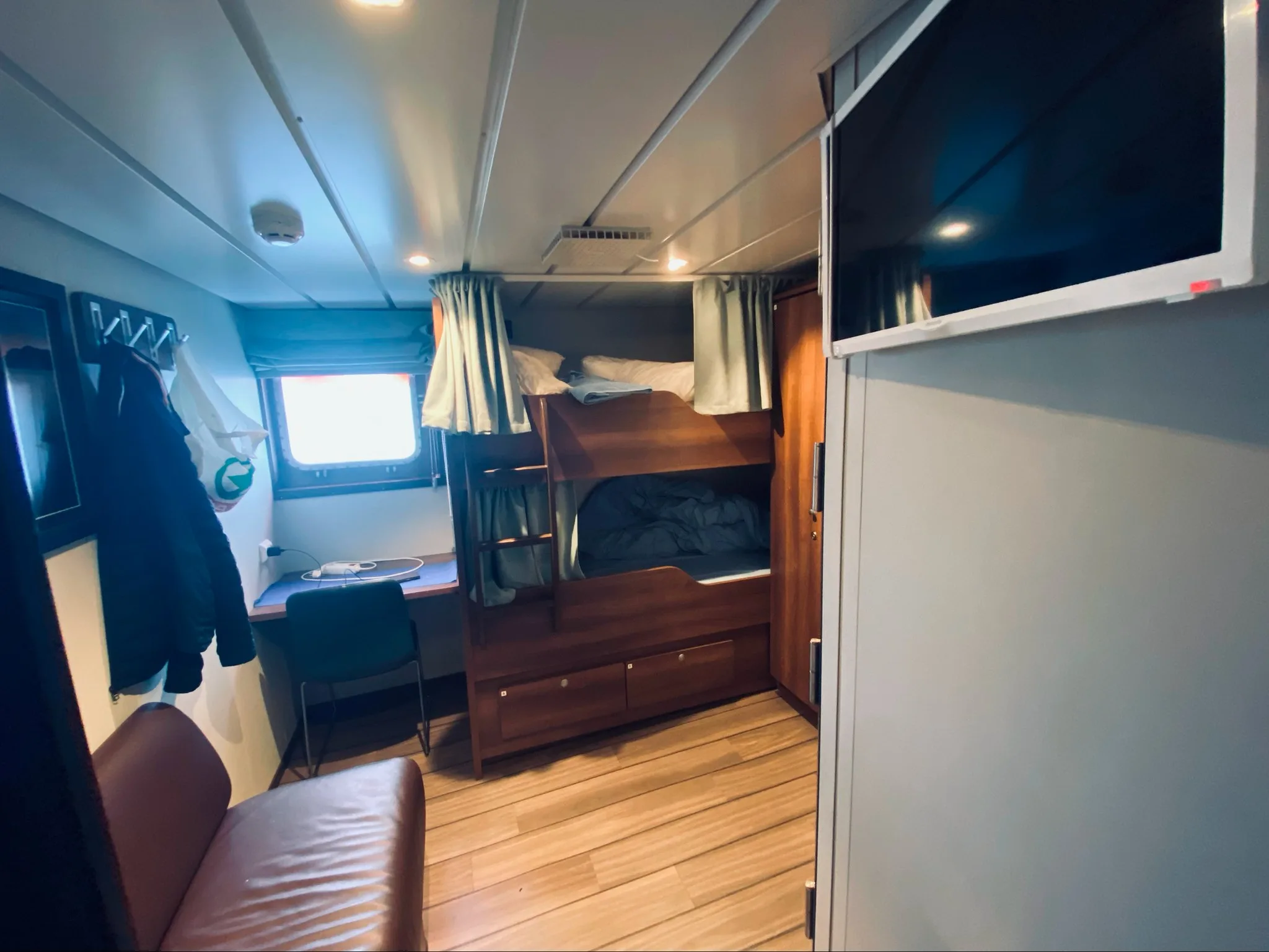
Showing the cabin to colleagues from my previous job, I would hear: “Is this an officer’s cabin?” No — an ordinary two-berth deckhand’s cabin. A heated floor, a table and chair, space for a suitcase and linen, my own vacuum cleaner, a drying spot, a constantly running fireplace with temperature control, an en-suite shower and toilet with a heated floor. There was even a painting on the wall — everything to the latest standard.
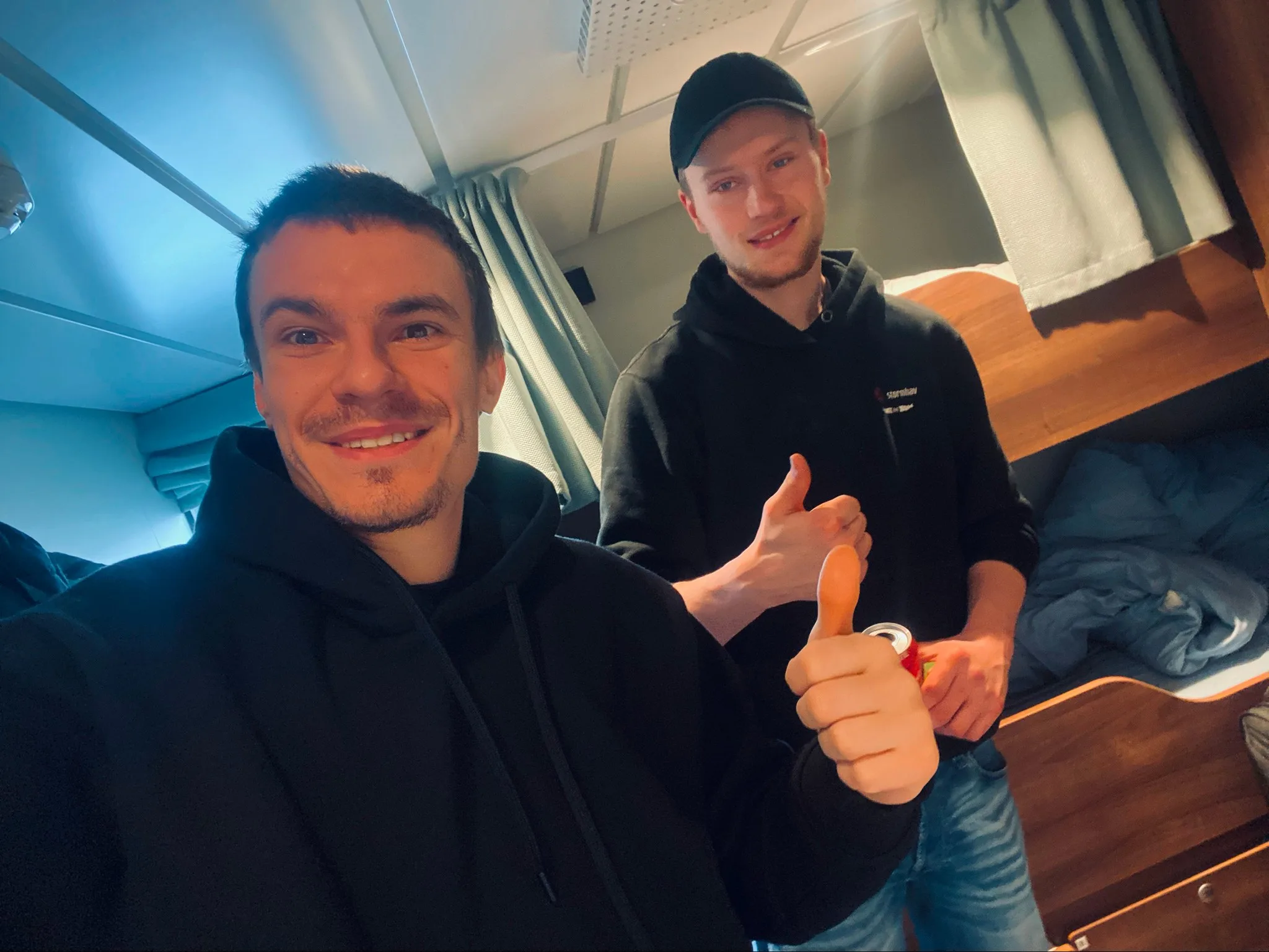
Two share a cabin — one on the upper bunk, one on the lower. The watches are arranged so that while one sleeps, the other works. In effect you live in the cabin alone: your neighbour is always on watch, then you swap. Very convenient — nominally two of you, yet in practice always alone.
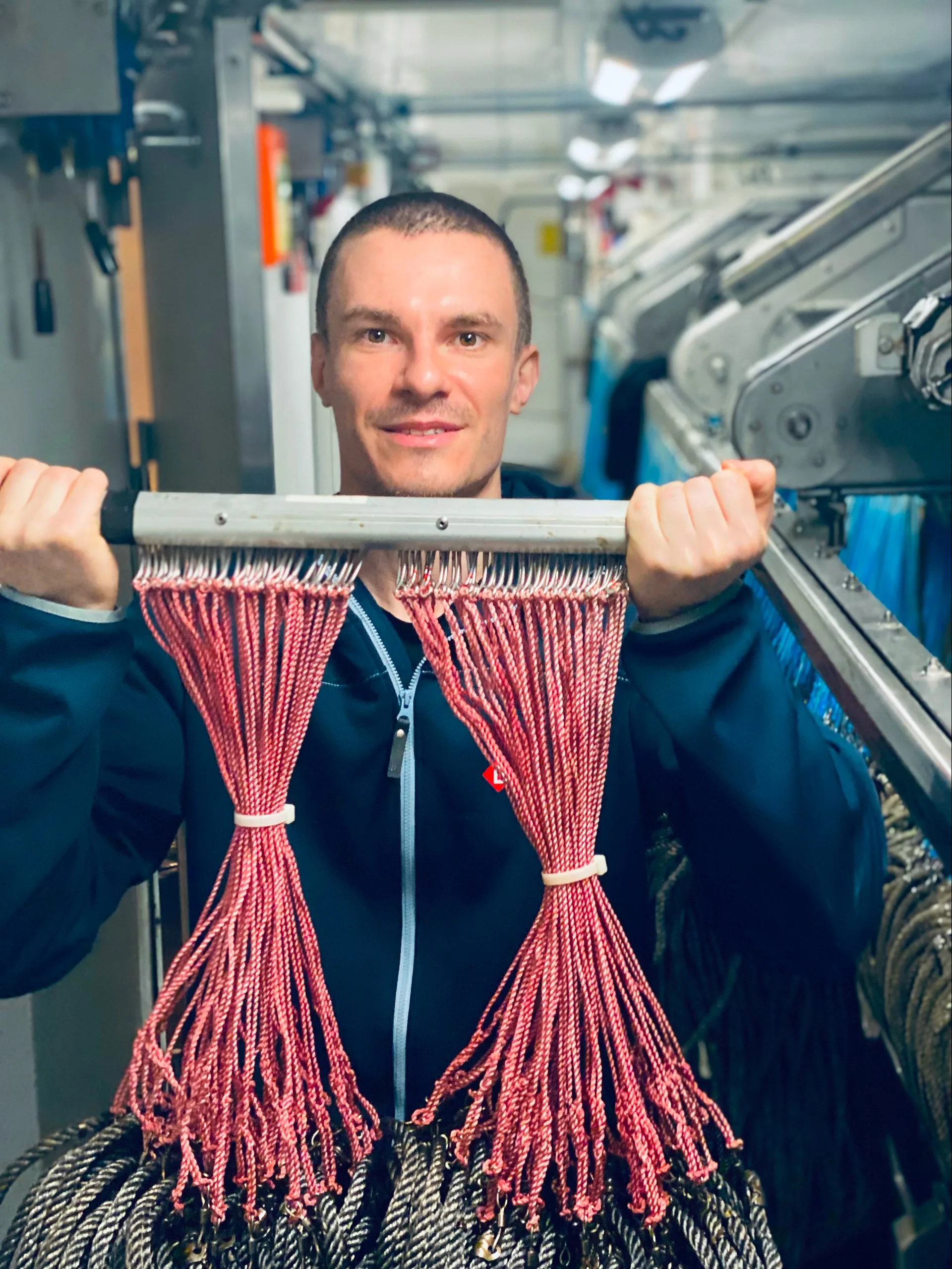
This was my first experience on a longliner. The vessel has a fully automated longline-setting system — about 40,000 hooks, loaded by sectors. Each hook is baited automatically with herring. Every deck-crew member has his own section and, in effect, his own productivity figure: the bridge shows sensor data for each sector. The captain sees the baiting quality in real time and can call the deck: “Michael, bait better.” Besides the longline, the vessel also fishes with nets (garn).
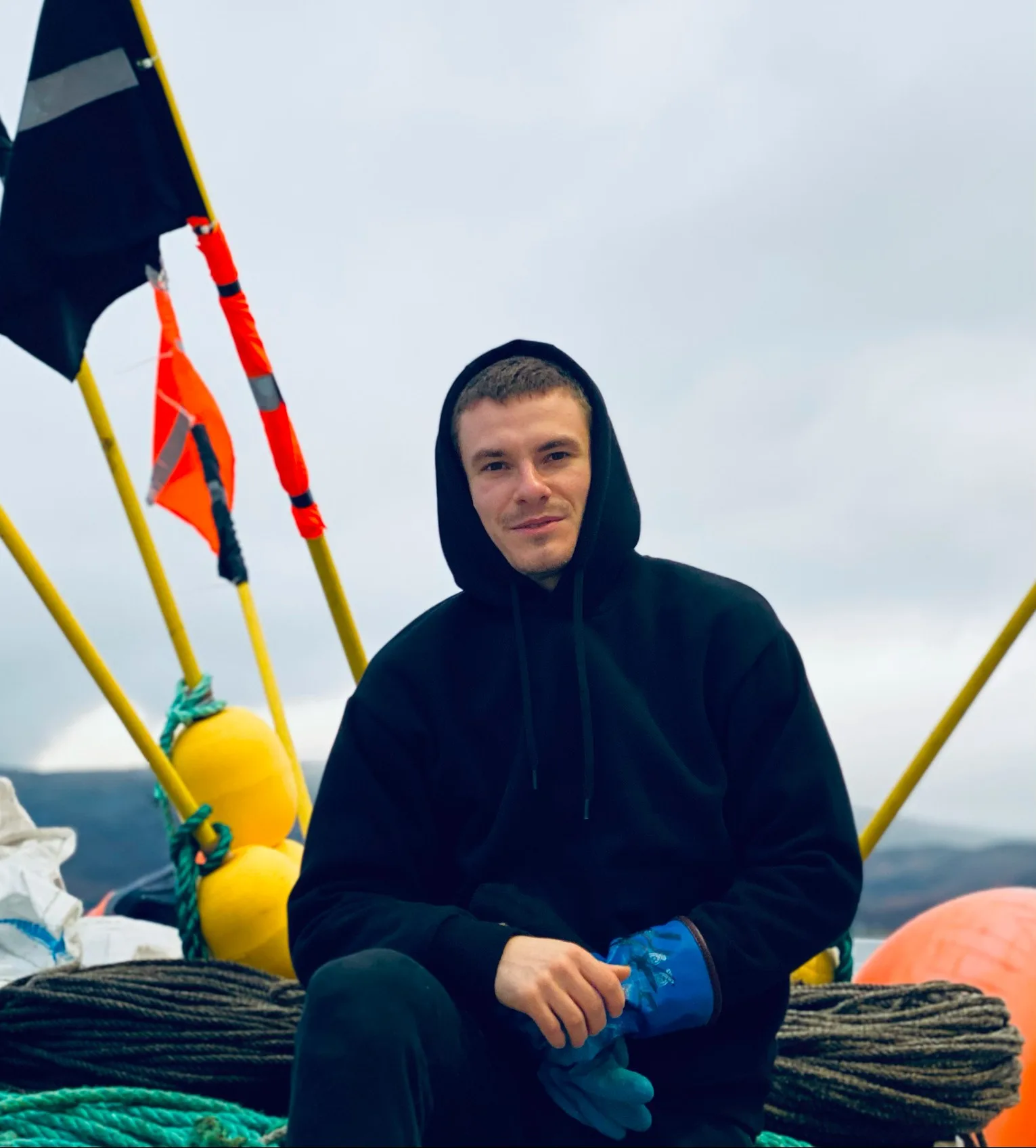
On fish there is noticeably less gear than on a crab boat, where you handle thousands of pots. Here much is automated: in the factory you work with each fish by hand, but on deck you don’t haul every metre of rope. So it is more interesting and easier. The rope they use is strong, four-strand — to hold the fish.
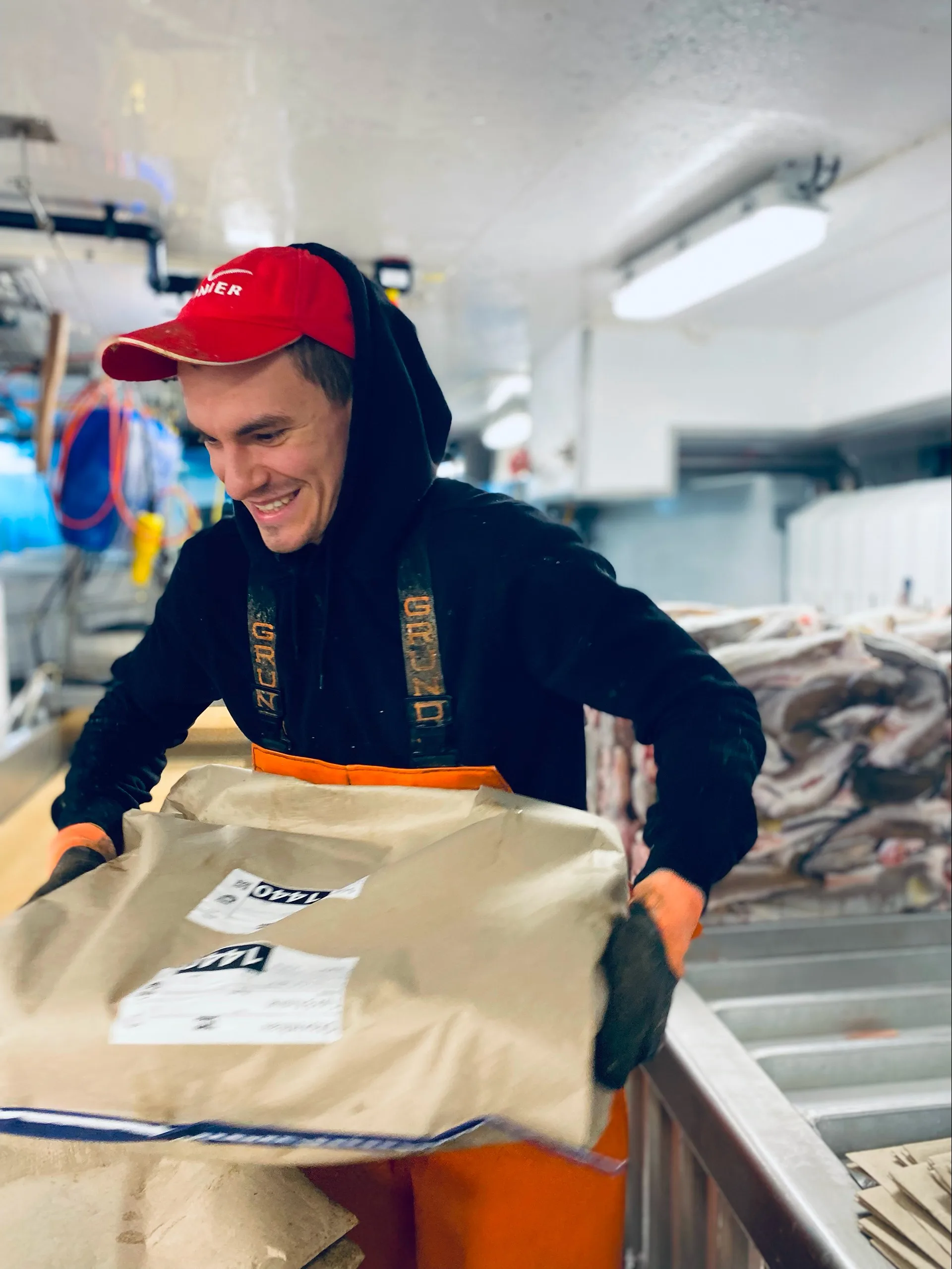
Before this I had never worked on a fish factory — and was surprised how much harder it is than on a crab boat. On crab there is one product, snow crab; the system is honed and in time you work almost on autopilot. On fish, about fifty species were caught, and each was further sorted by weight: up to 500 g, 500 g–1 kg, 1–1.8 kg and over 1.8 kg. Plus each batch was caught by net or by hook, and you must not mix them. The combinations are enormous: you have to identify the fish correctly, choose the category, record it all in tables and make no mistakes. Many of the names I heard for the first time in my life.
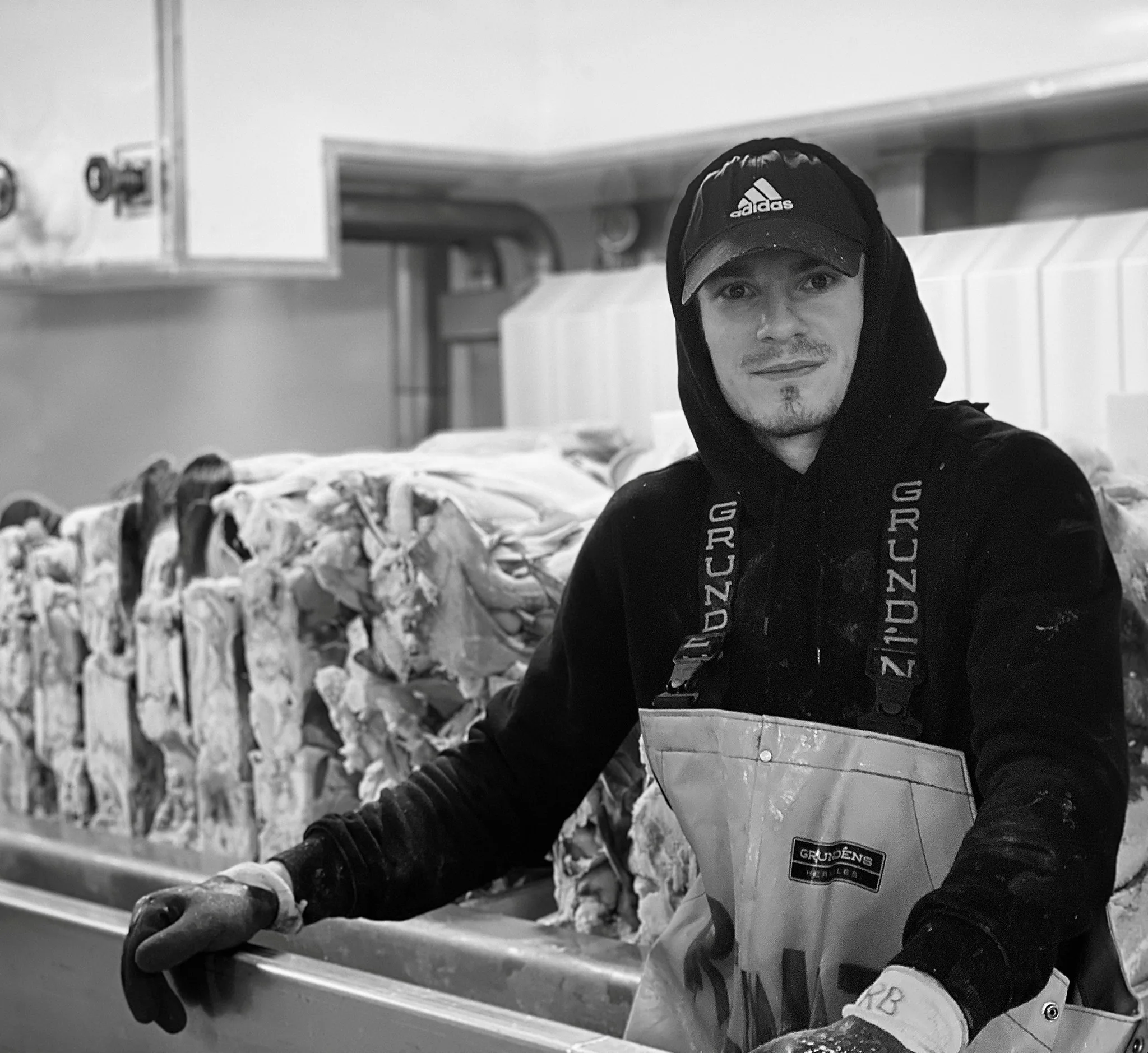
Only three worked in the factory, and one was always asleep, relieving another on waking — so in practice there were always two. The moment one stepped away, you were alone for the whole factory: you run to one end to open the sluices so the fish soaks in water and bleeds; to the other to pull out and pack the finished blocks; then you quickly cut cod on a special machine. Very energy-intensive work. I had never before worked a knife a whole watch through — you literally never let it go for the entire voyage.
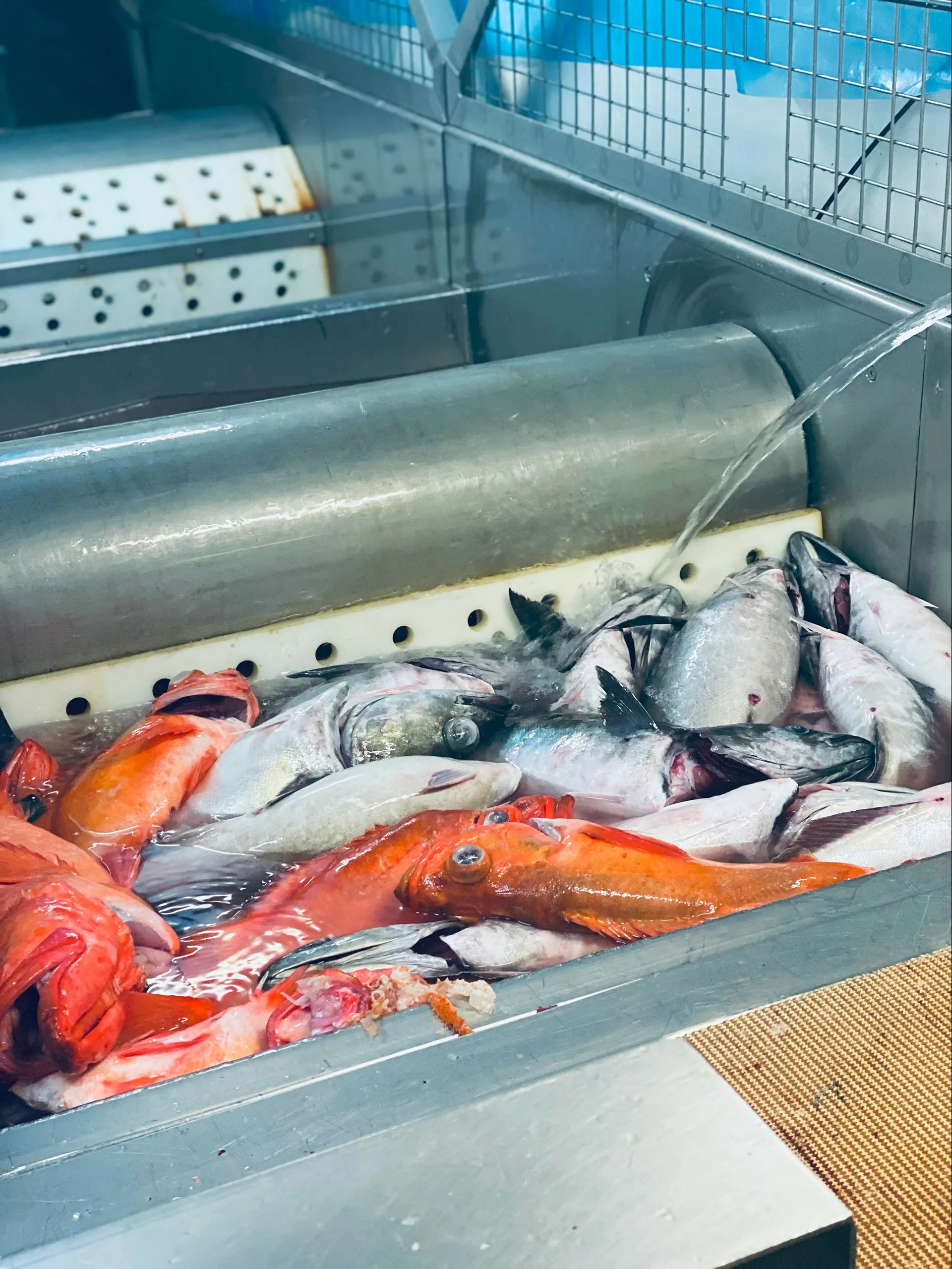
Before processing I always first soaked the fish in running water to bleed it. Only after lying the required time did the fish go onto the conveyor — and then came butchering and freezing. This was one of my duties, alongside printing labels, preparing the freezing equipment, sorting, packing and stowing the finished product in the hold.
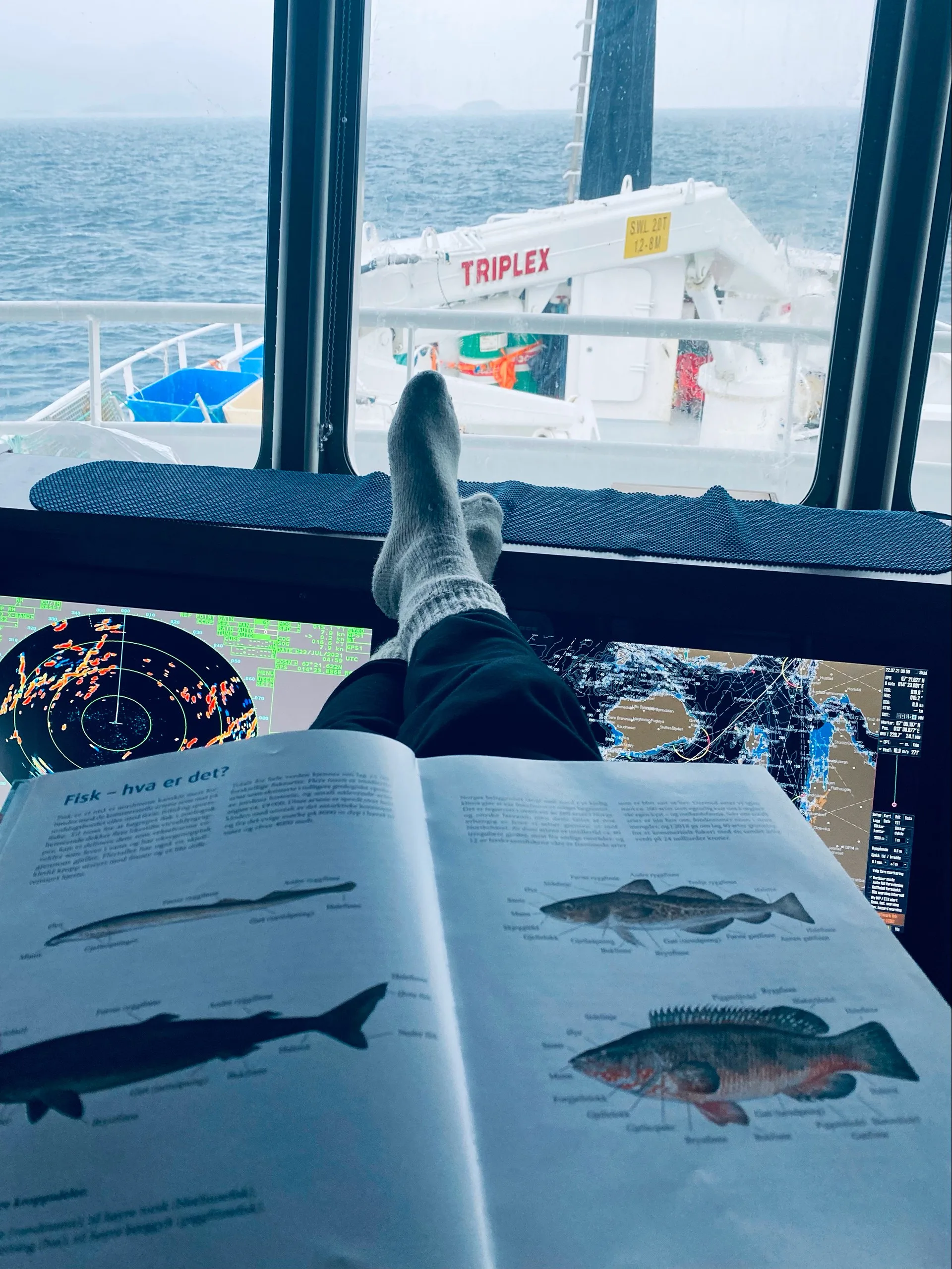
Arriving on the vessel, I knew not a single species of fish. Telling them apart was hard: there are two outwardly similar species distinguished only by some thin white stripe. I spent a lot of time learning the names, since in the factory you print the labels yourself, and printing the wrong name on a fish is a serious violation. Fortunately I made no such errors: better to check once more and ask.
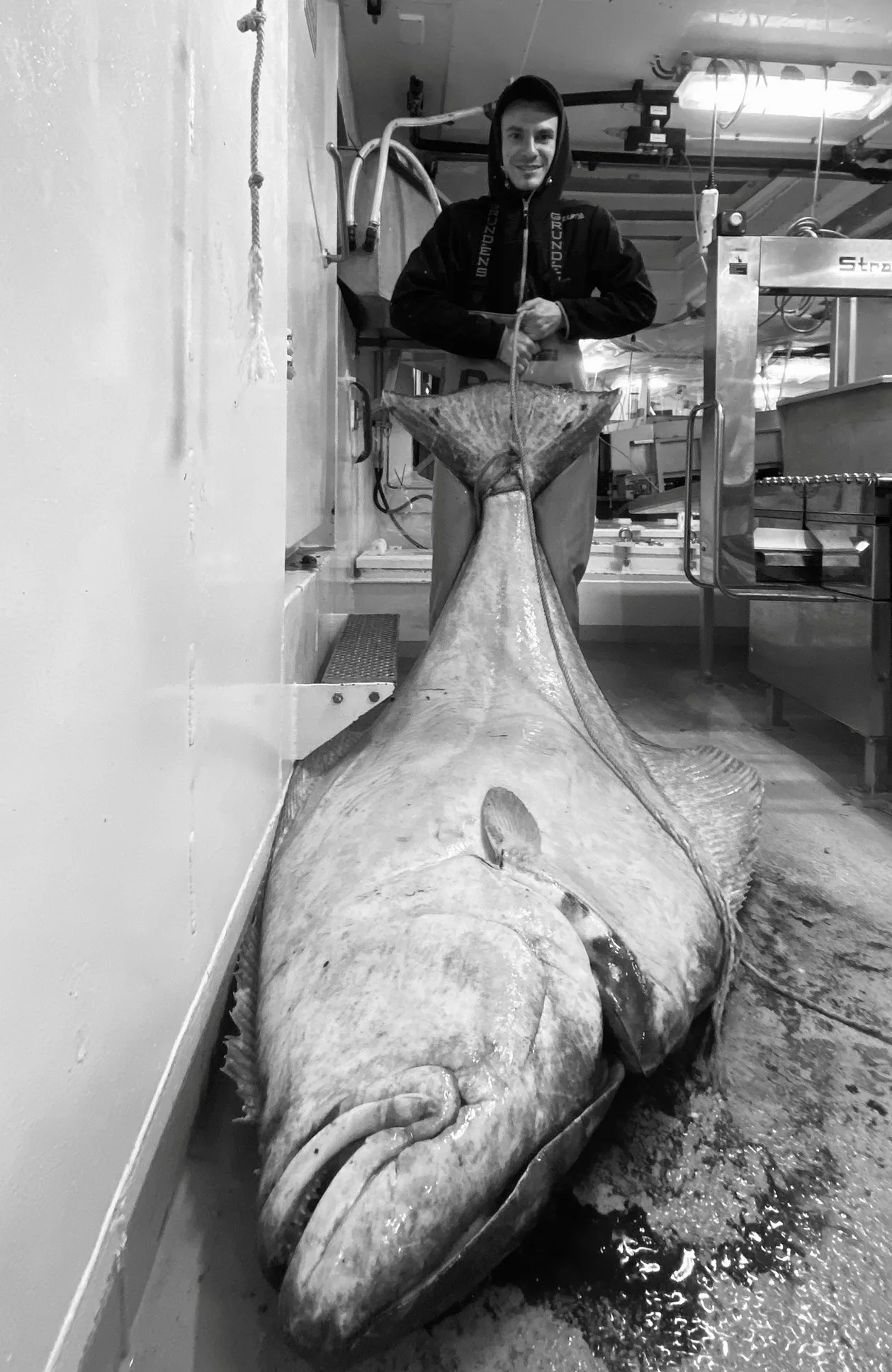
Sometimes large halibut turned up — one is probably over a hundred years old. Each fish is butchered in its own way: a halibut doesn’t fit in the freezer, so it is butchered in a special manner and hung in the hold to freeze fully. Here I gained great experience in butchering different species. It was this very experience that later produced that seafood classification table on the main BFISHERMAN course.
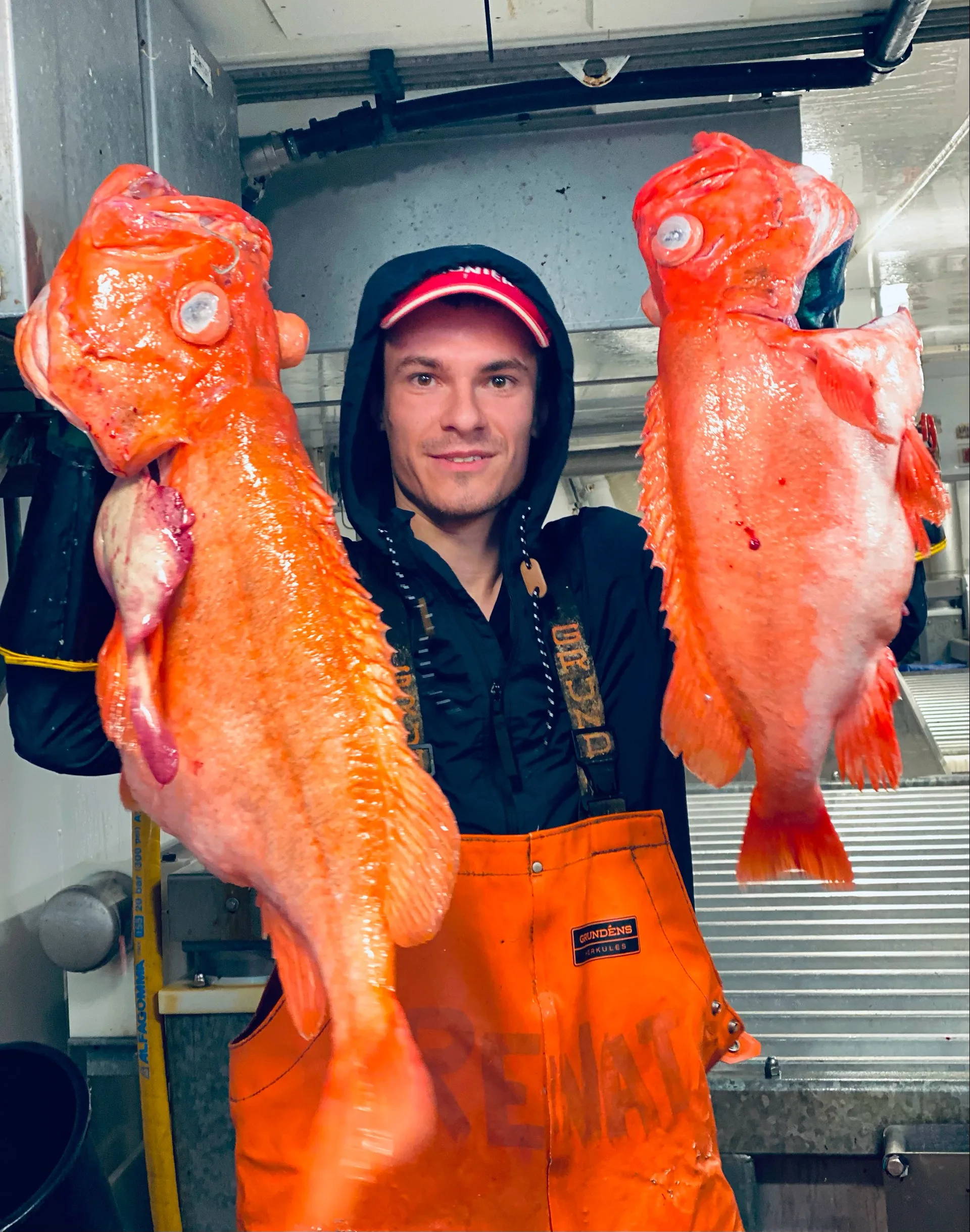
Among the whitefish catch came the red rockfish too — one more of the dozens of species I had to recognise, sort and pack correctly in the factory.
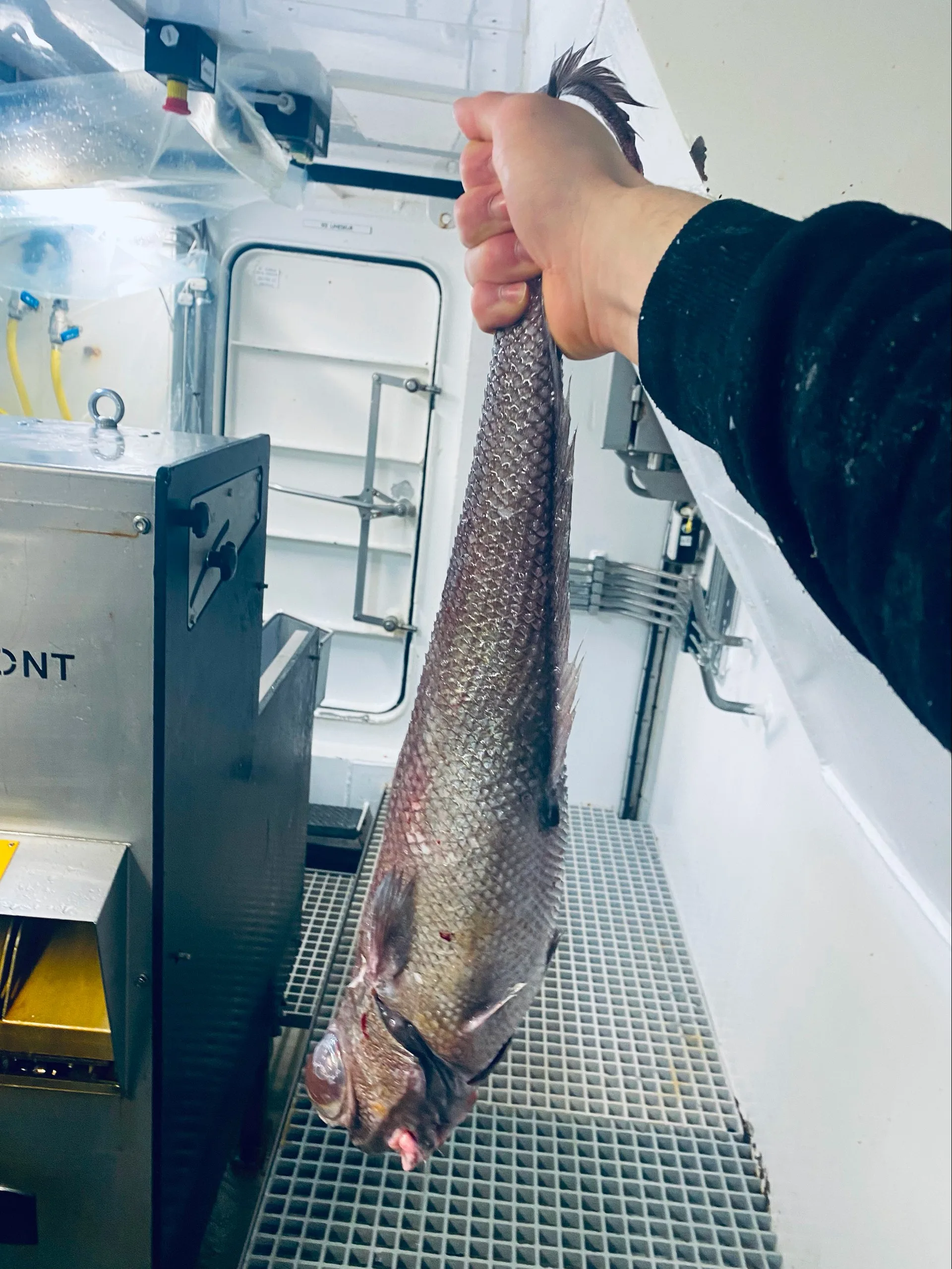
This fish is a grenadier (rattail). Social media once shared its photo captioned as if sailors had found an unusual monster, but there is nothing supernatural about it: it is not an ancient or prehistoric species, but a modern deep-sea fish. It lives at depths from 50 metres to more than two kilometres — hence the unfamiliar appearance.
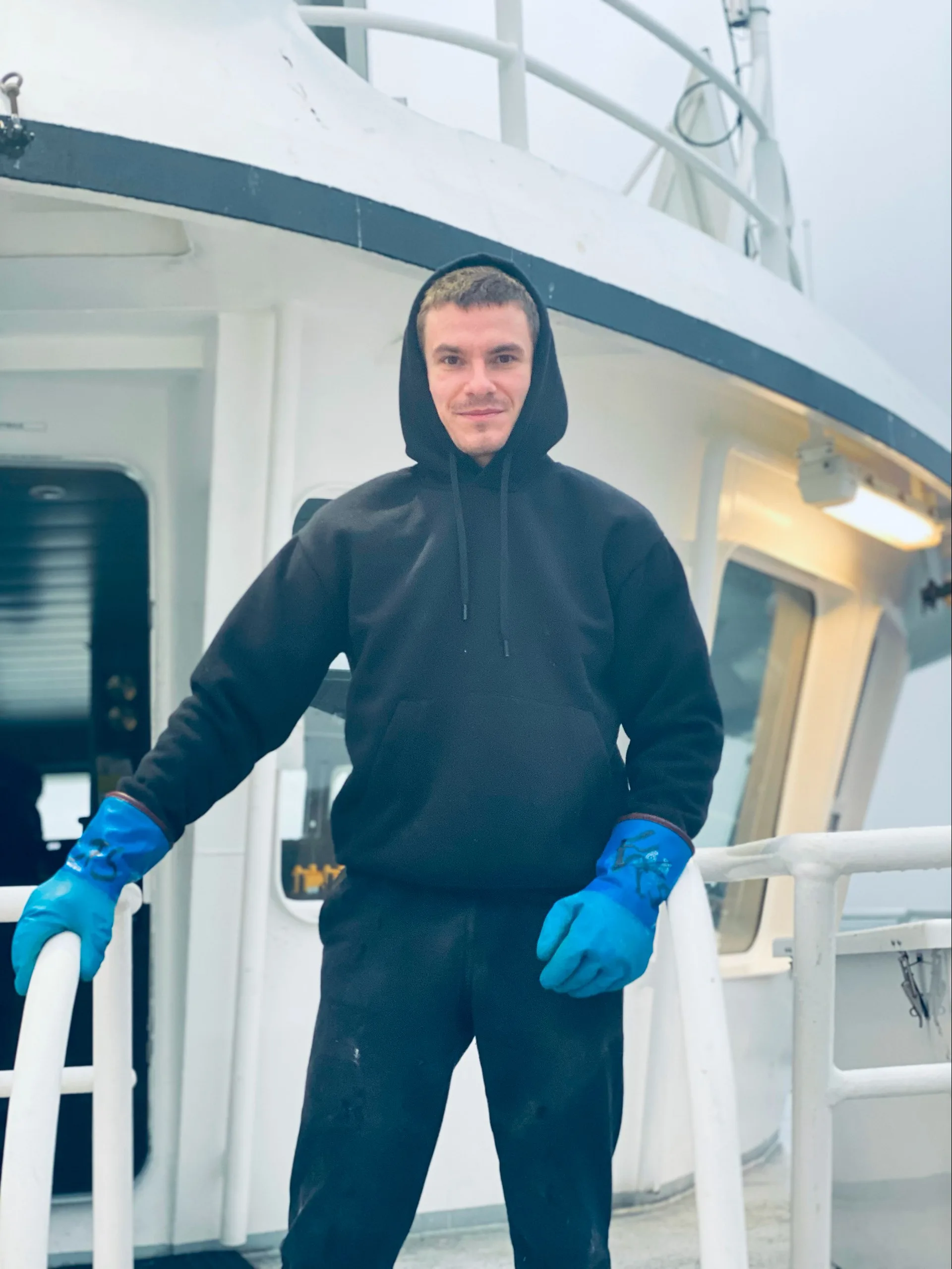
Newcomers on the fishing fleet earn as much as the experienced — as on a crab boat. There is virtually no difference in pay: the minimum wage in Norway is regulated by industry, and everyone earns the same. You can’t pay less even if you wanted to — the law doesn’t allow it.
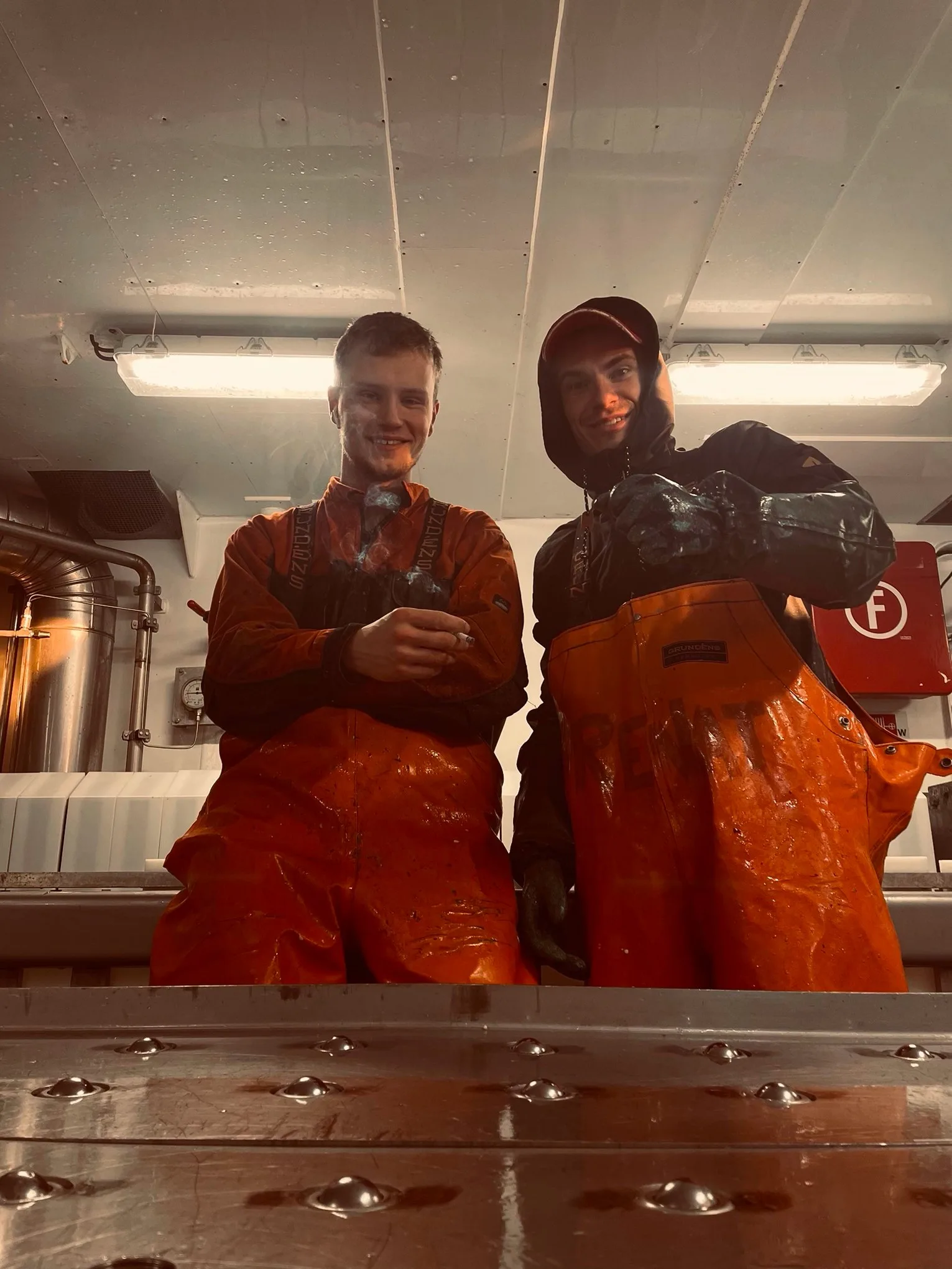
A 16-year-old lad worked with me in the factory — an apprentice from a maritime school (a lærling). He did all the same work with no concessions. When a vessel takes on such an apprentice, it is granted an extra quota — several tonnes of cod plus bycatch, which is quite profitable; in return the apprentices themselves are paid less.
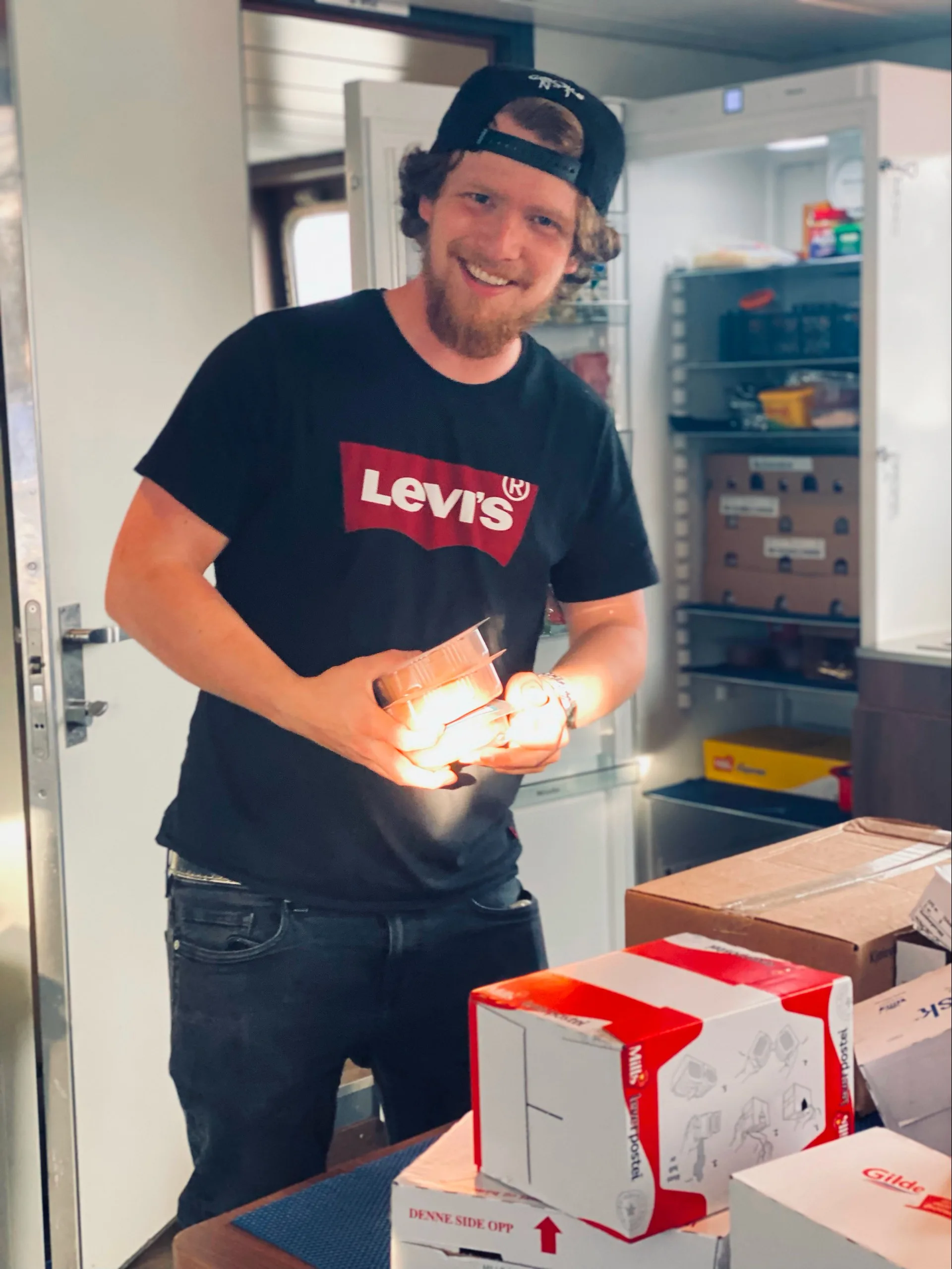
Our cooks earn about 10,000 euros a month — over 100,000 Norwegian kroner. A cook works always, in any weather: cooking when everything is heaving is hard, but it is worth it. Cooks are often foreigners, sometimes Norwegians; few have full formal training.
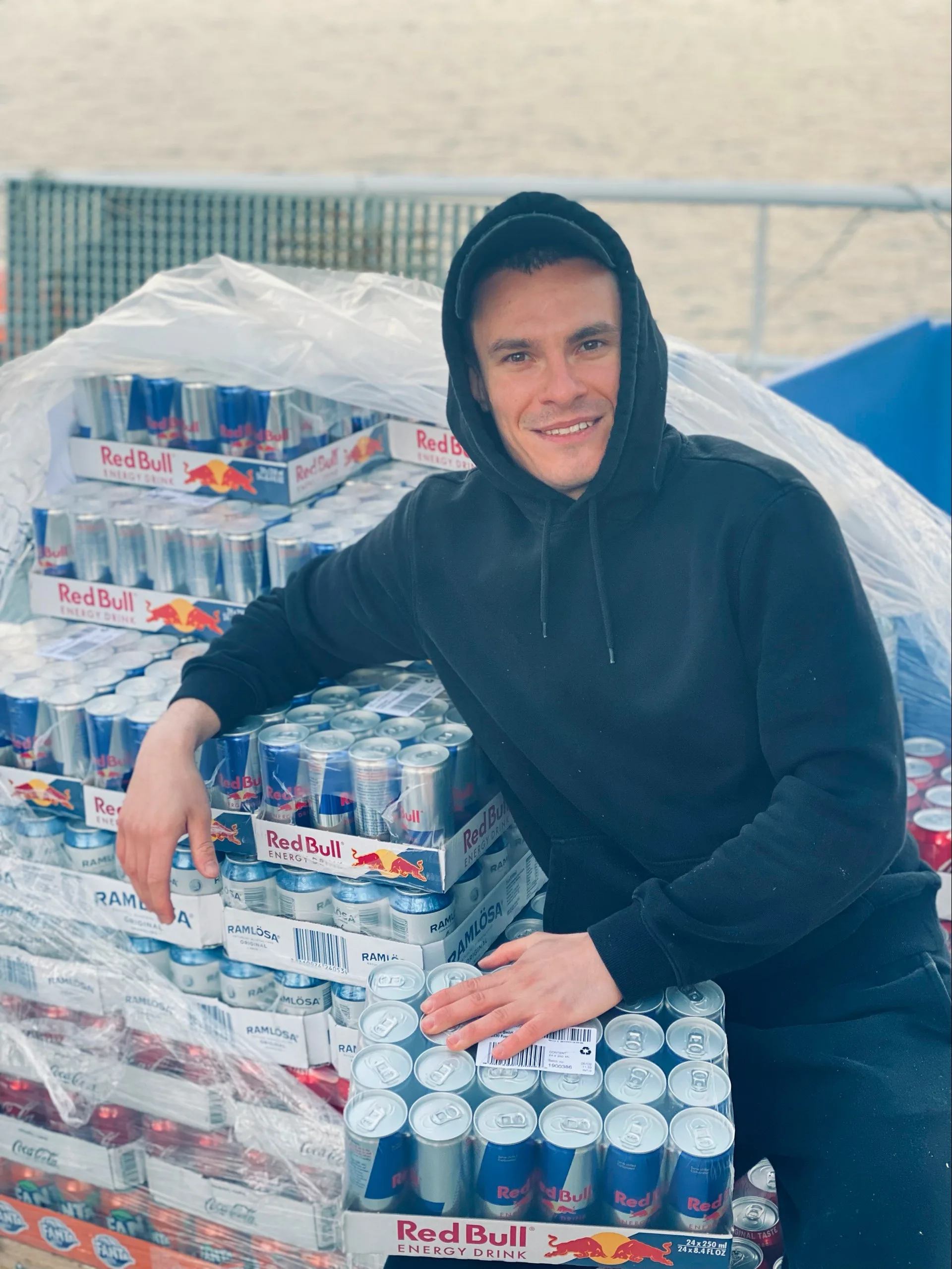
You can order a lot for the ship — through the cook it comes out noticeably cheaper. Non-alcoholic beer the cook arranges with wholesalers in advance, and you collect the order on board; the cost is taken from your first wage. The most common items are cigarettes, snus, energy drinks and soda, sports nutrition. But all this is issued only beyond the 12-mile zone from shore.
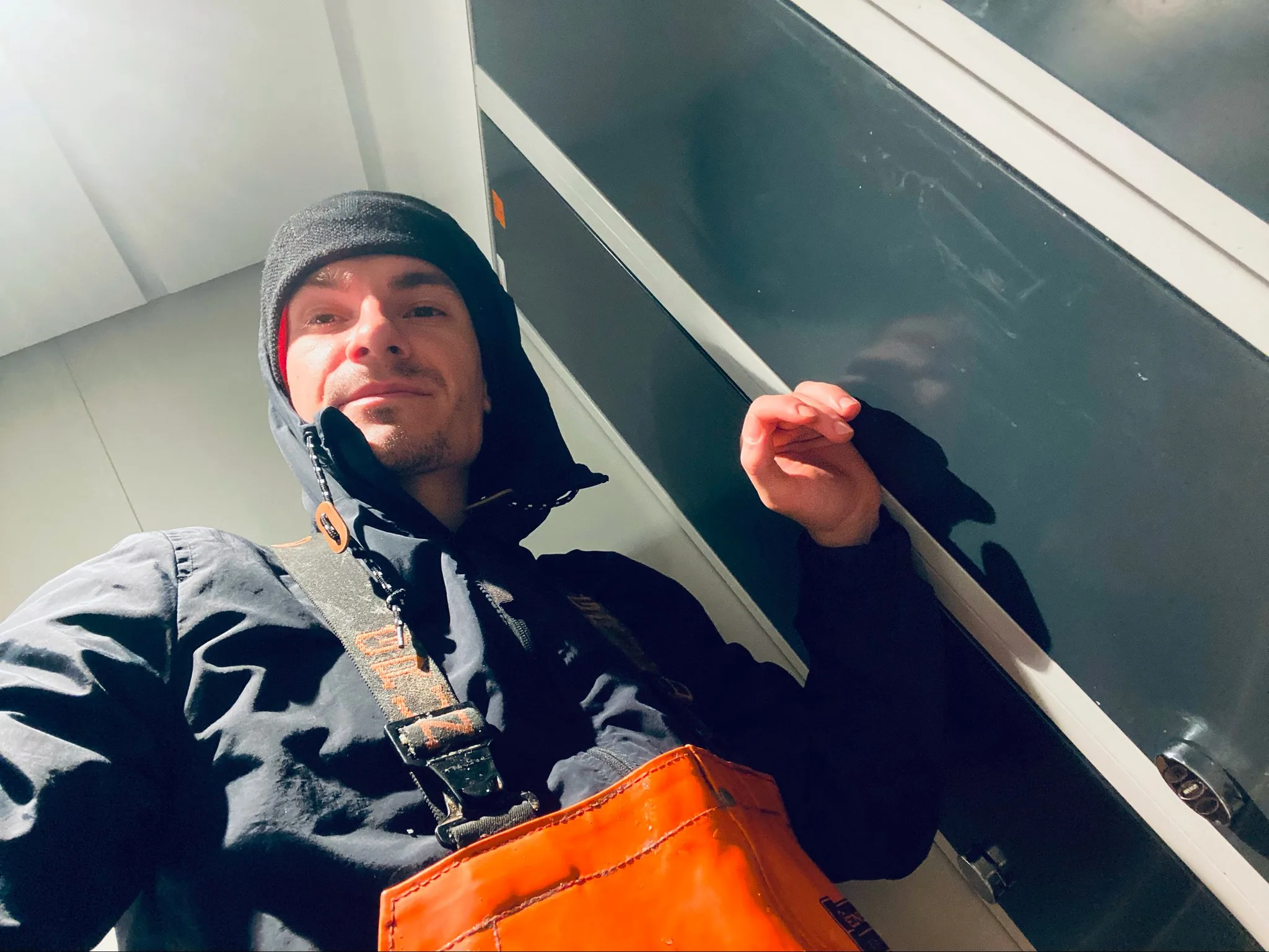
I had a metal locker. On new vessels it looks pricier and more solid, but there is a catch: close the lid, put something wet in — and it doesn’t dry. Far more practical are open drying racks or simply hooks on the wall near a heater. A metal box looks cool but is inefficient — and for the next watch you sometimes have to put on still-wet kit.
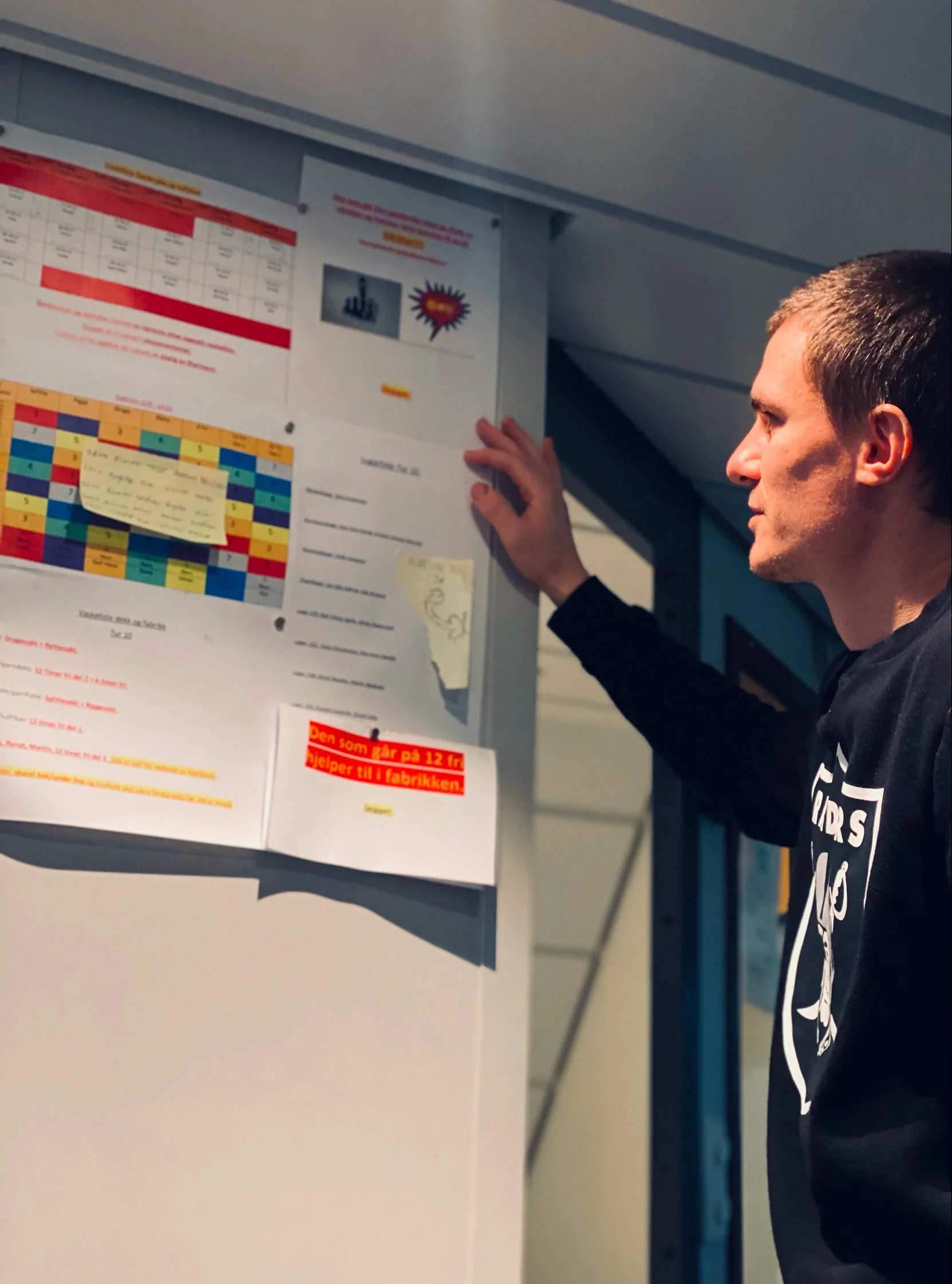
Cleaning on the Stormhav was done by every crew member: keeping a cleaner for twelve people is too costly. Each had his own list — on which day and for which spaces he was responsible. This way we saved on a cleaner and in effect got that money added to our wages. All the documents lay in the mess room, the common gathering room — you could read up on them.
The Stormhav’s captain Jon-Atle Bjørnø is a well-known figure. In February 2025 his small fishing boat capsized in icy water off the island of Sørøya; he and his mate ended up overboard. For about twenty minutes he kept afloat; his body temperature fell to a critical 30 degrees. Chance saved him: a 330 Squadron rescue helicopter happened to be finishing an exercise nearby, instantly caught the distress signal and arrived in just five minutes. Both fishermen were saved. A few weeks later Jon-Atle returned to fishing, and has since been active in maritime safety.
I was new to this company. At the time my colleague Ania, who worked on deck, raised an important subject — the use of banned substances on vessels and the harassment of women in the Norwegian fishing industry. As far as I know, Ania publicly stated that she had been harassed by one of the managers; I personally was not a witness and can neither confirm nor deny the specific accusations. Nonetheless the story drew wide attention: the Norwegian media wrote about the Stormhav, the subject reached national television, and Ania began to be invited to discussions on working conditions and the position of women in the industry.
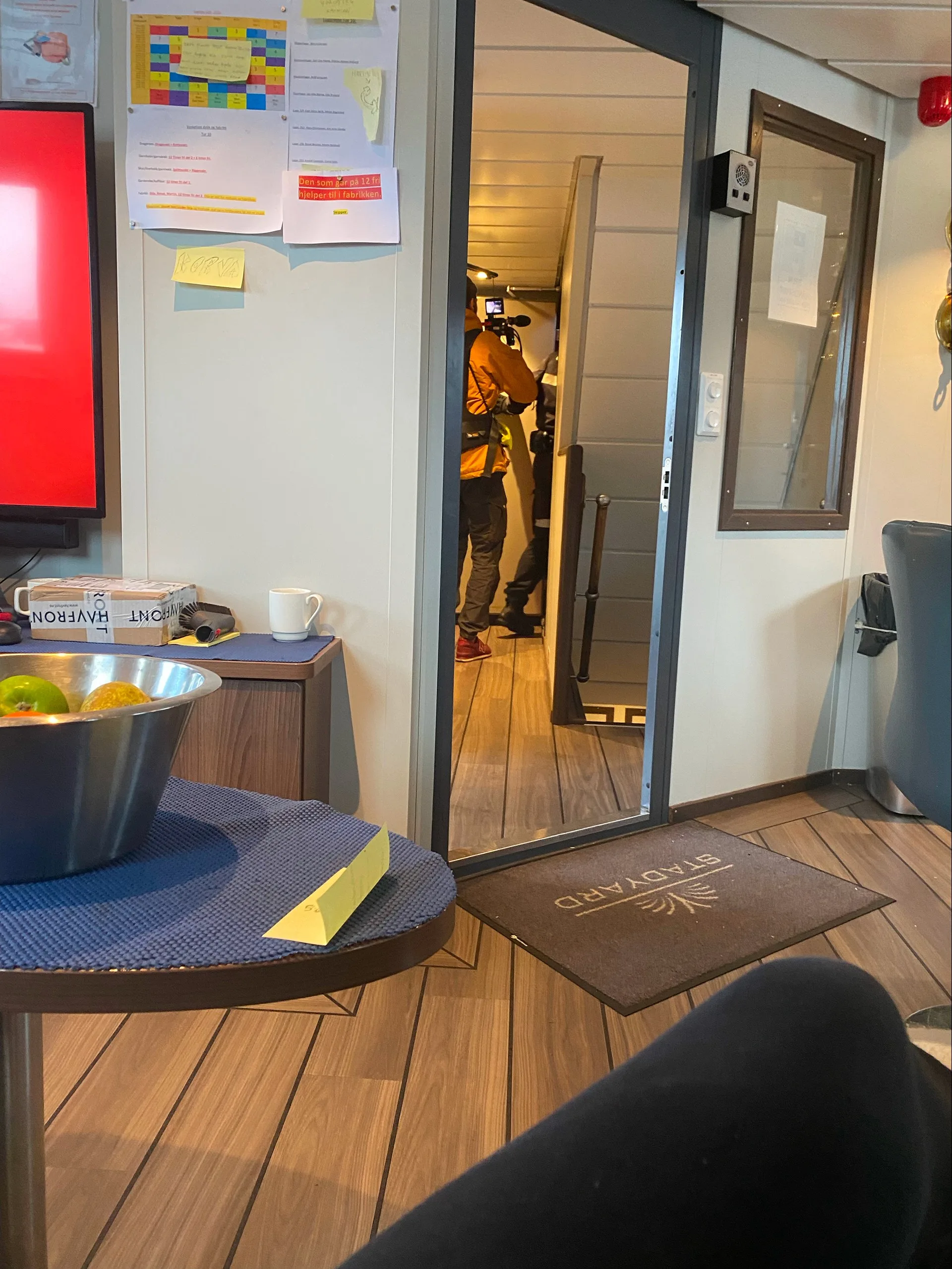
In Norway they film a show called “Toll” — about the work of customs at sea, in the air and on land. Once the crew came to us on the Stormhav too. On that occasion a person who used drugs was identified on board — though you could not tell it from him at all: an ordinary, normal man, only with the odd change of mood. For me it came as a surprise.
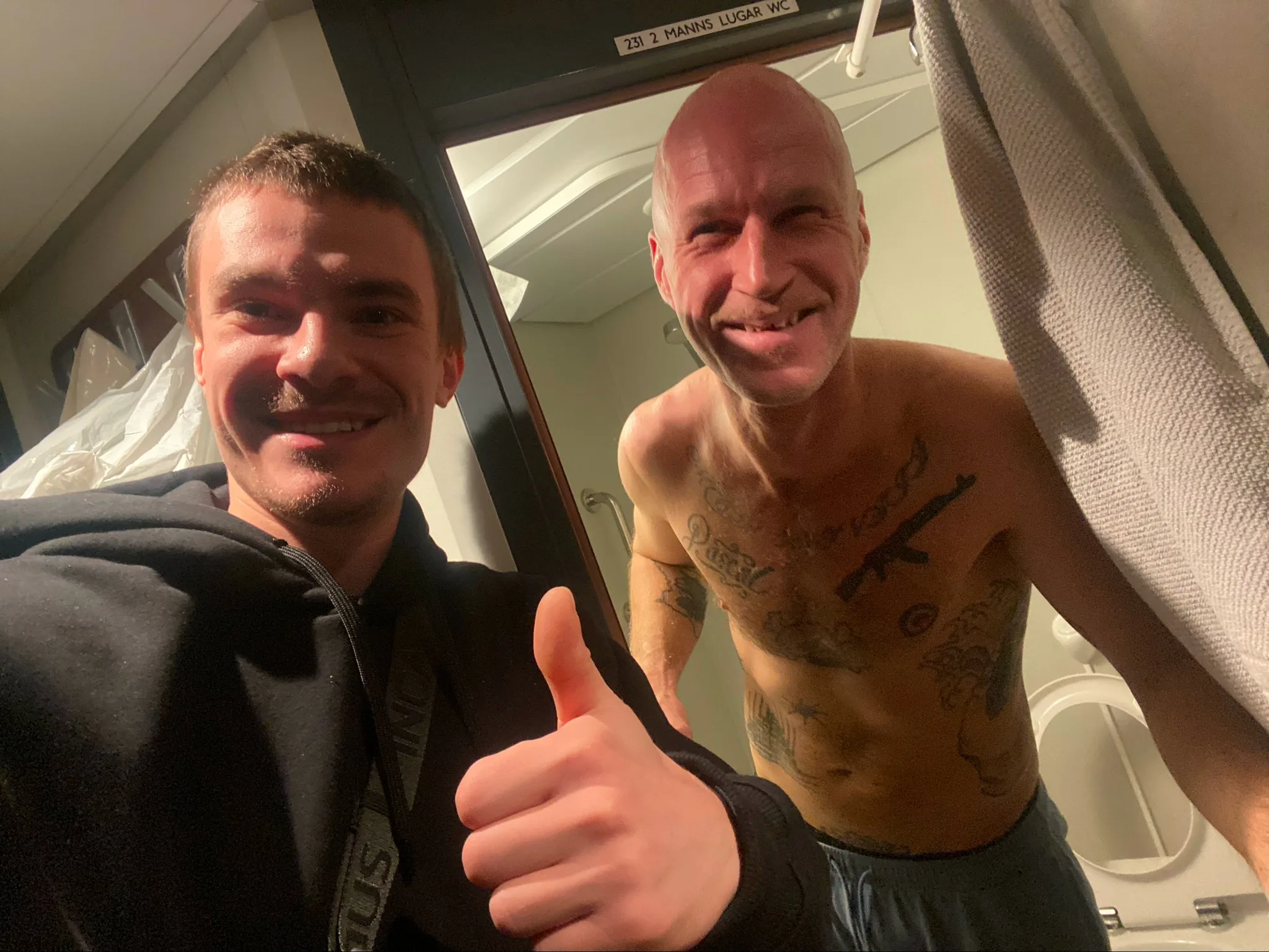
Sometimes lads from a near-criminal background ended up aboard — some with convictions, but long since back on their feet. You can’t single them out: they are just like everyone — they work, obey the ship’s rules, and anyone can be dismissed for breaking them. So now and then you meet interesting people with a story of their own.
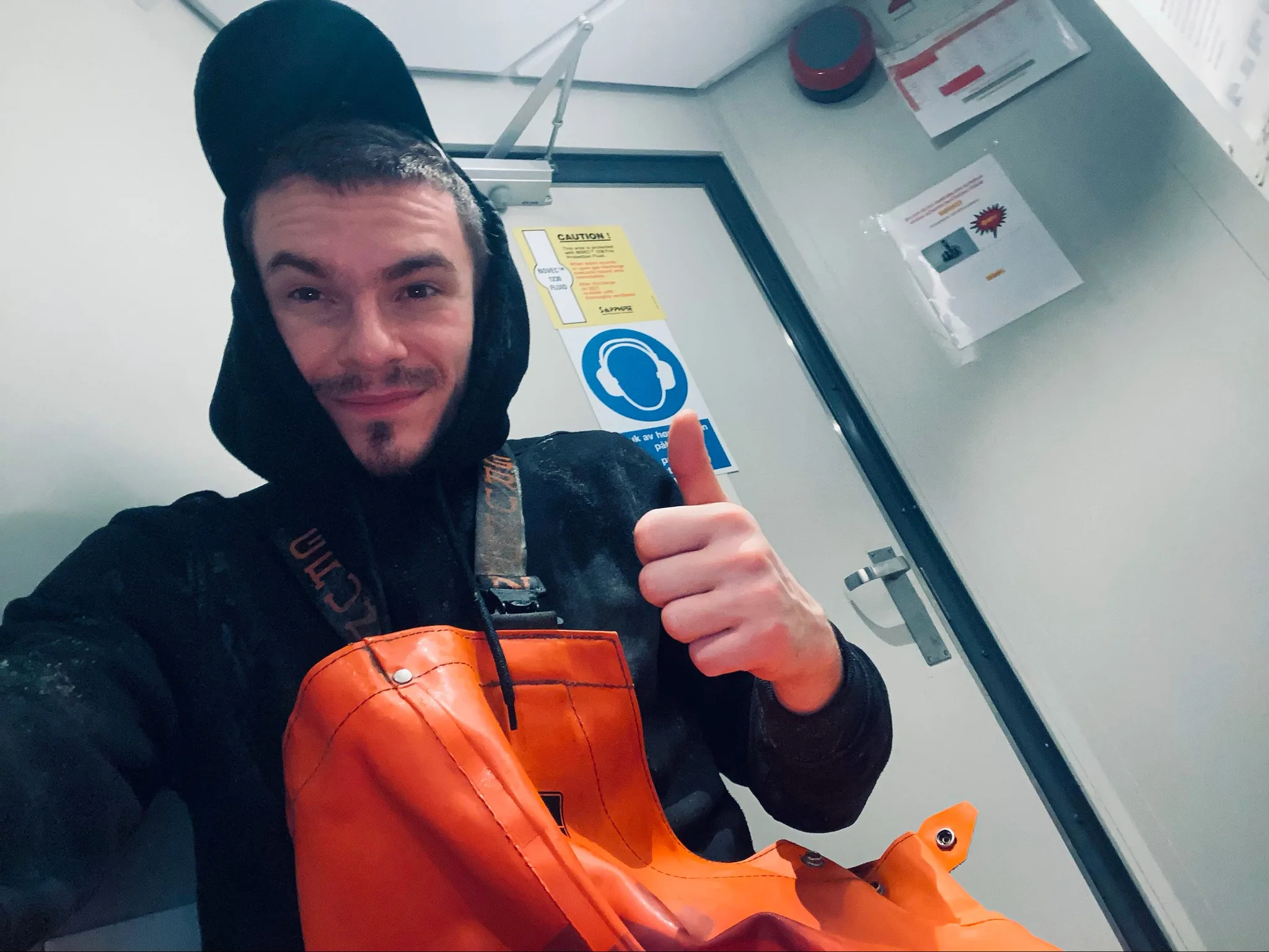
A short break between processes in the factory. On a tight schedule you value such pauses especially — time to drink some water, catch your breath and back into the rhythm.
The onset of a storm. The smaller the vessel, the harder it rolls — and the Stormhav was more compact than my earlier ships, so the rolling here was noticeable. You had to get used to it and keep working regardless.
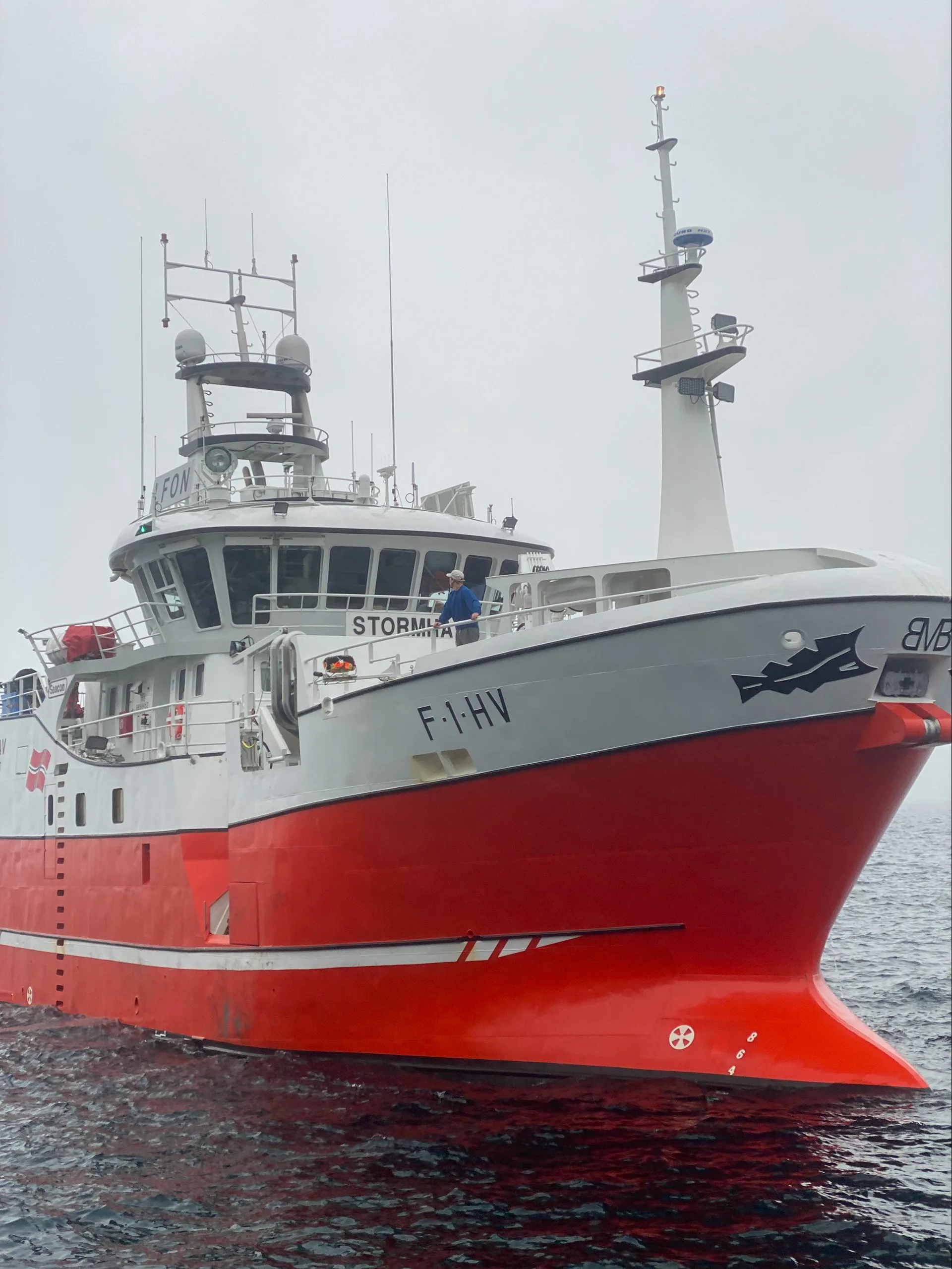
The smaller the vessel, the more it is at the mercy of the waves and the more it is thrown from side to side. The Stormhav is smaller than the ships I had worked on before — in displacement and in other respects. So you have to get used to the motion and work no matter what.
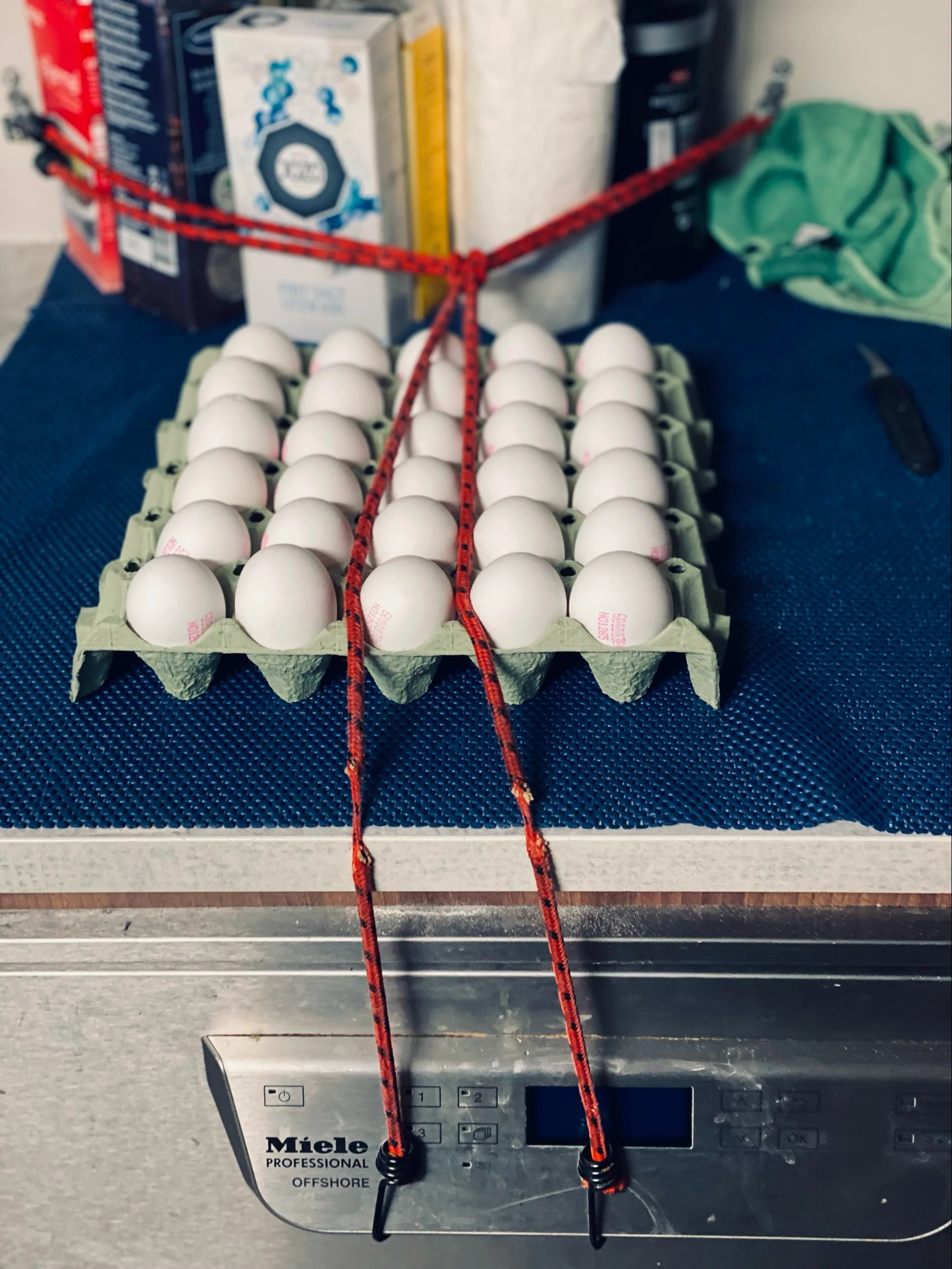
On small vessels anything not secured risks falling: even without a storm the slightest wave can tip something over, so it is best to always tie everything down. Here, for instance, at night the cook ties up the eggs so that by morning they have reached room temperature and can be put to use.
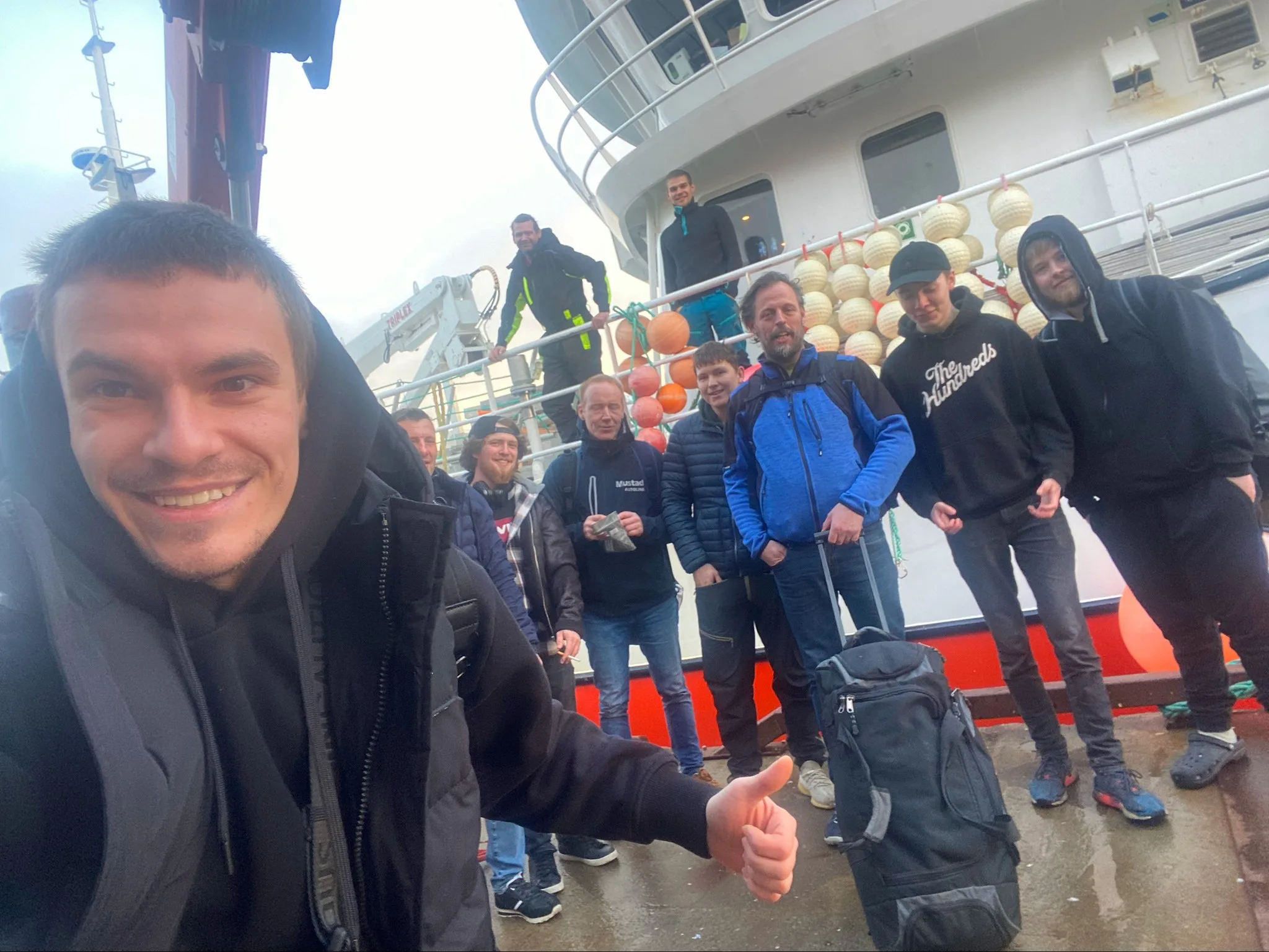
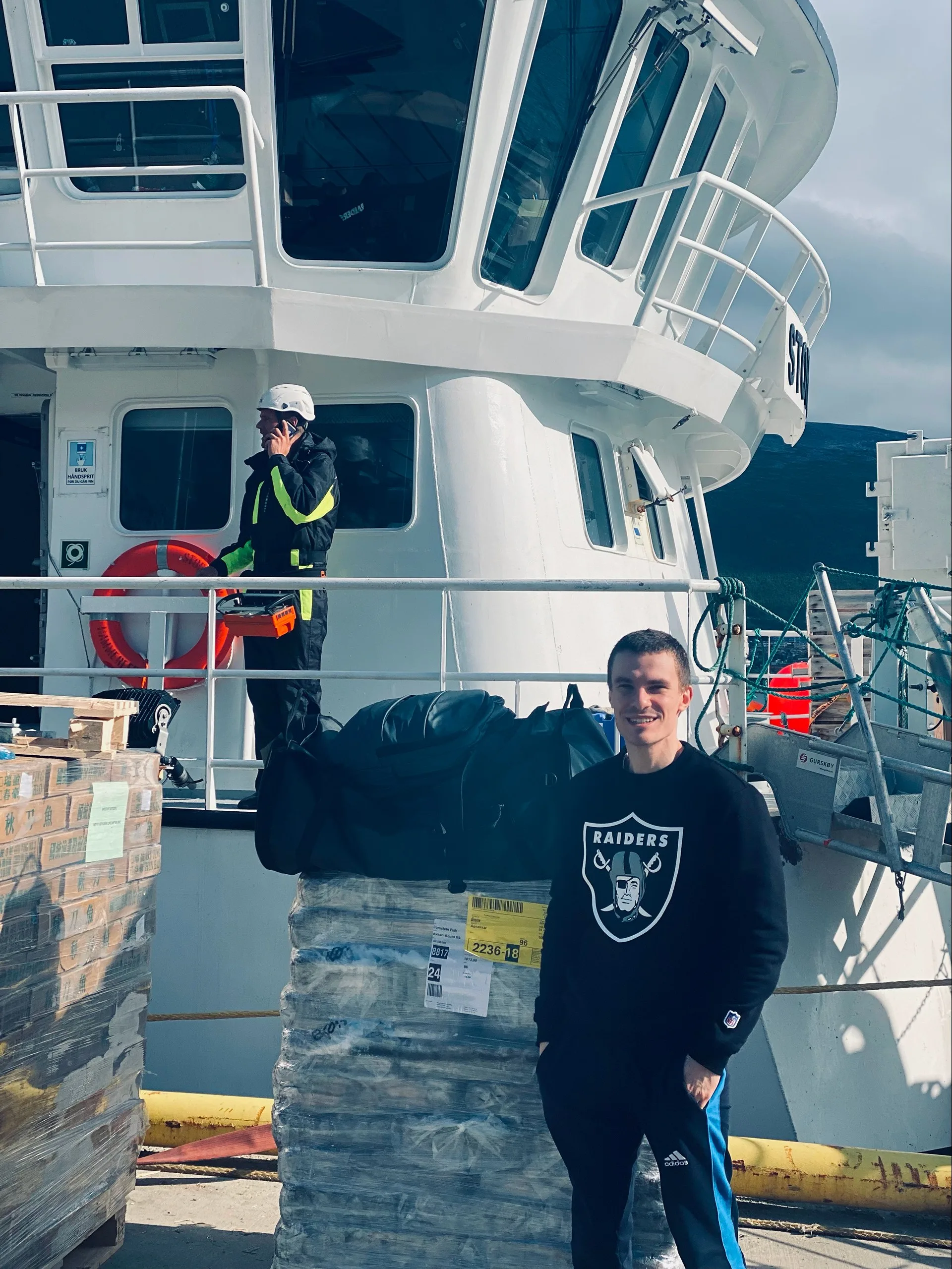
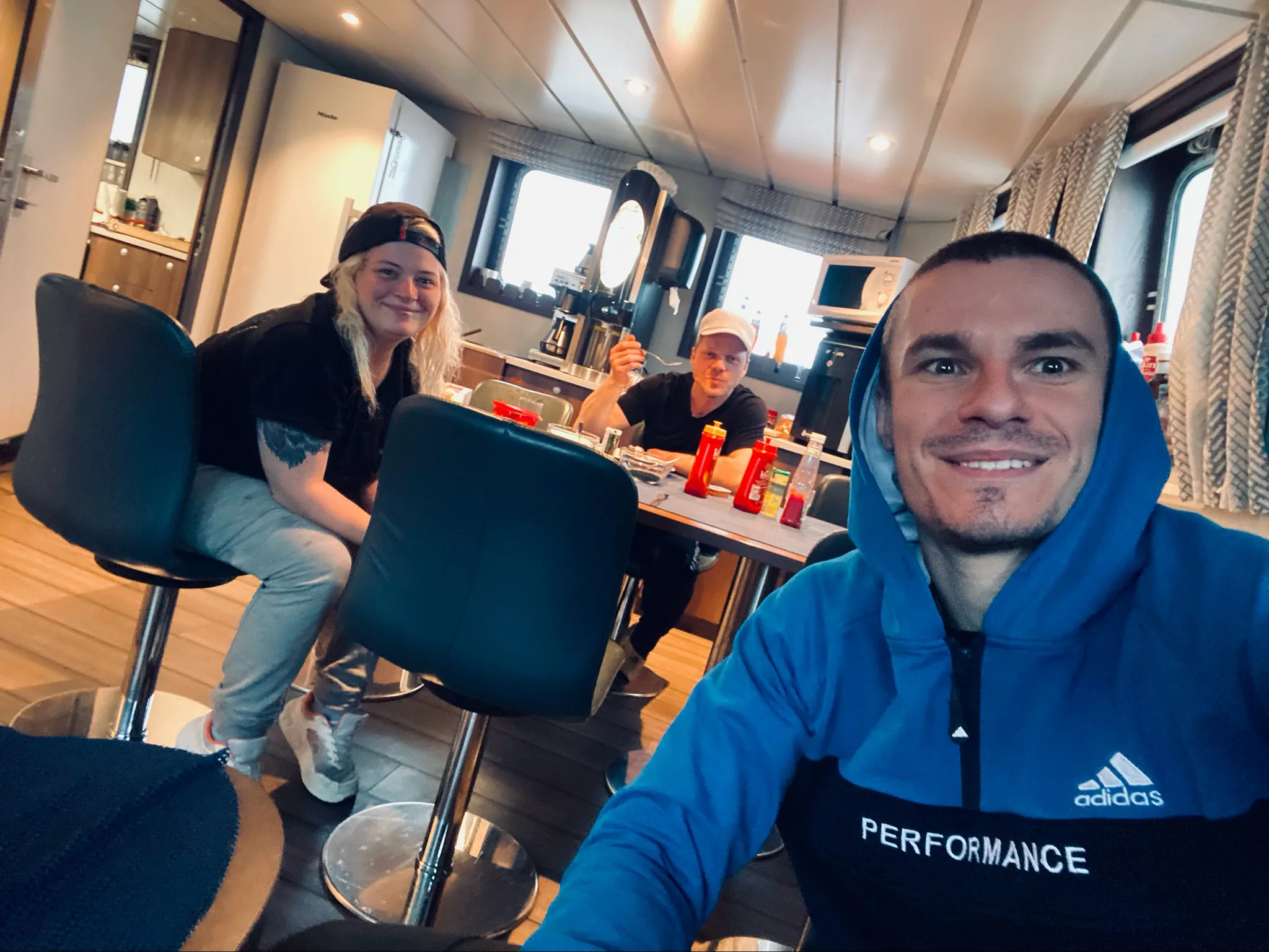
Our crew. By tradition I always ask the lads to take a photo against the vessel, to keep the memory of the voyage. This was my last voyage on the Stormhav: at the time the crab boats paid more and more interestingly, and I wanted to get onto a trawler, a larger longliner, or back to crab. Besides, the 16-hours-a-day schedule proved too hard for me — on a crab boat you can work 12 on, 12 off and earn the same. We fished in the Norwegian and Barents Seas.