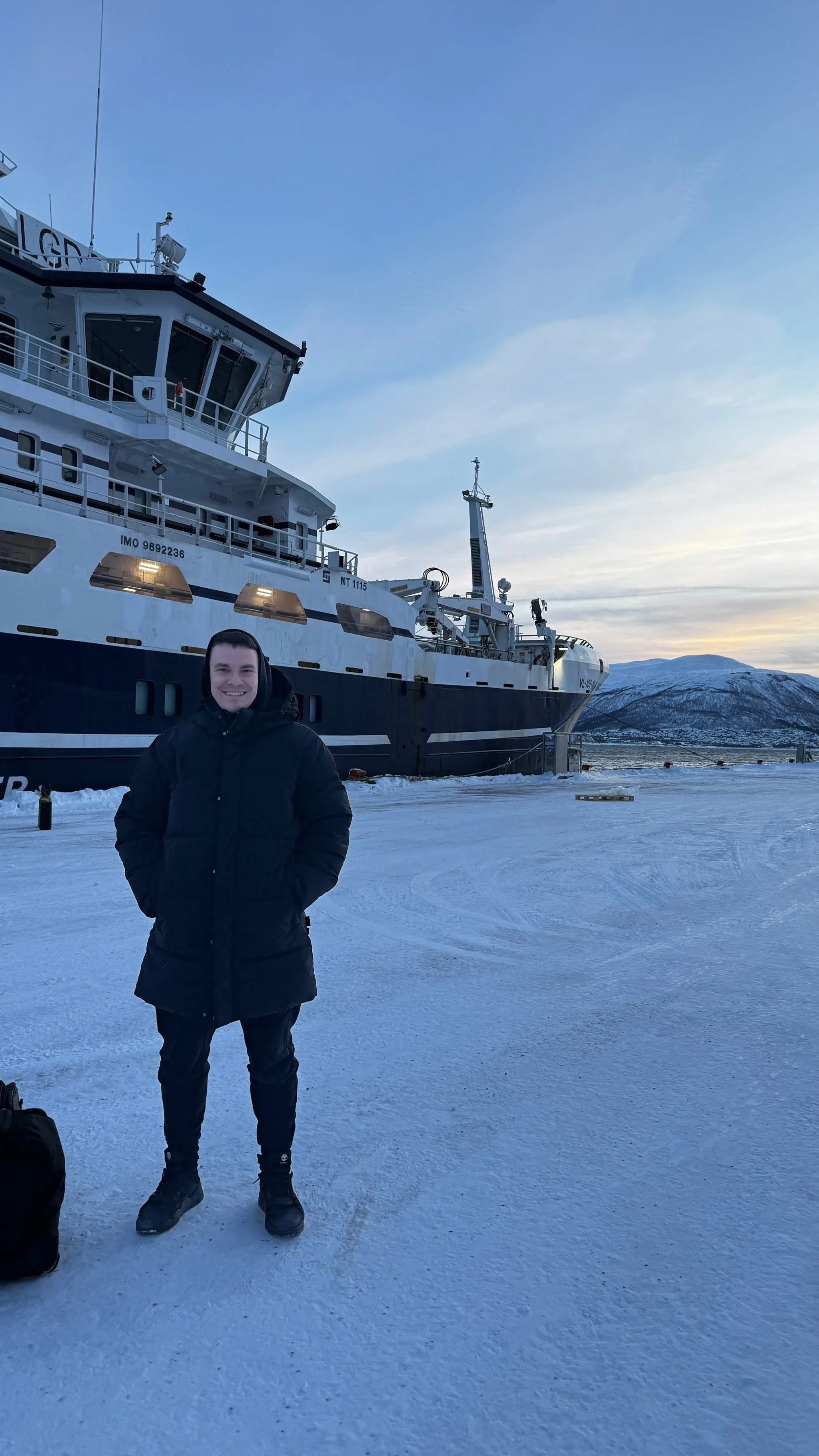
The first impression was simple: the Østerfjord is huge, modern and built like a flagship of the Norwegian fishing fleet.
The Østerfjord (IMO 9892236) is the most modern and technological vessel in the career of Renat Besolov, founder of the BFISHERMAN project: a Norwegian longliner-seiner built in 2021, converted for snow crab fishing.
A hybrid propulsion system, a moonpool for fishing in any weather and an automated factory make the Østerfjord one of the most technological crab vessels in the world.
In the 2026 season Renat Besolov worked a single voyage of 26 days here in the Barents Sea — a return to the fishery after years of building BFISHERMAN.
The Østerfjord is the most modern and technological of all the vessels Renat Besolov worked on. She is a Norwegian longliner-seiner, built in 2021 at the Tersan shipyard in Yalova, Turkey, to the Norwegian Marin Teknikk MT1115 design.
She carries the registration mark VL-101-AV, IMO number 9892236 and call sign LGDO, sails under the Norwegian flag and is classed by DNV. The vessel is 67 metres long and 14.6 metres wide, with a hybrid propulsion system, a 2560 kW Bergen Diesel main engine, a 500 kW battery and a moonpool for fishing in difficult weather.
Later the owning company Østerfjord AS acquired the crab vessel Sea Hunter with its snow crab quotas and transferred them to the Østerfjord, replacing part of the fishing gear with a crab factory. In the 2026 season Renat Besolov worked here. A detailed log is below.
Figures are given per marine registries (IMO 9892236, Tersan shipyard, Marin Teknikk MT1115 design). Renat Besolov worked aboard the Østerfjord as a deckhand (Fisherman) in the snow crab fishery.
| Vessel type | Longliner-seiner → crab vessel |
|---|---|
| Fishing method | Crab pots + factory (formerly longline and Danish seine) |
| IMO number | 9892236 |
| Call sign | LGDO |
| Registration mark | VL-101-AV |
| Year built | 2021 (delivered January 2022) |
| Shipyard | Tersan Shipyard, Yalova, Turkey (yard no 1098) |
| Design | Marin Teknikk MT1115 |
| Length (LOA) | 67 m |
| Beam | 14.6 m |
| Depth | 5.9 m |
| Gross tonnage (GT) | 2985 |
| Net tonnage (NT) | 895 |
| Deadweight | 1002 t |
| Propulsion | Hybrid: diesel-mechanical / diesel-electric / electric |
| Main engine | 2560 kW Bergen Diesel + 500 kW battery |
| Features | Moonpool; autoline ~76,000 hooks |
| Crew | 23 people |
| Class | DNV |
| Owner | Østerfjord AS (Torangsvåg, Austevoll) |
| Product brand | Norwegian Frozen at Sea |
| Captain | Svein Ove Myrbø |
| Flag | Norway |
On the Østerfjord Renat Besolov worked as a deckhand (Fisherman) in the snow crab fishery: setting and hauling crab pots, sorting crab, servicing equipment and working on the automated factory.
The level of automation here is on another scale: some processes that on other vessels require constant human presence on deck are carried out from the moonpool and internal production spaces. Work is organised by two deck teams and two factory teams on a 6-on, 6-off schedule.
Finding vessels and employers is helped by the BFISHERMAN database, and current vacancies and crewing are handled through BFISHERMAN. Below is the log of Renat Besolov’s voyage aboard the Østerfjord.
| Voyage | Departed | Port out | Returned | Port in | Days |
|---|---|---|---|---|---|
| 1 | 31.01.2026 | Tromsø | 26.02.2026 | Båtsfjord | 26 |
Total for the vessel: 26 days aboard.
The Østerfjord was originally built to fish whitefish with longline and Danish seine in northern waters. After conversion she fishes snow crab in the Barents Sea, freezing the catch at sea under the brand Norwegian Frozen at Sea.
The crab is hauled in pots, sorted alive and processed on the automated factory: boxes are automatically formed, labelled and run along the conveyor, the finished product is distributed onto pallets and sent to the hold by forklift.
All the technical skills of deck work — knots, pots, processing the crab — are gathered in the main BFISHERMAN course. There is no getting onto the fishery without maritime STCW certificates, and STSP/SIPS certification is desirable.
Crew comfort on the Østerfjord is at the level of the best modern vessels: modern cabins, heated floors, spacious living quarters and everything needed for long work in the Arctic.
The organisation of work is thought out to the smallest detail: two deck teams and two factory teams relieve one another on a 6-on, 6-off schedule, keeping work continuous 24/7. Linen, household chemicals and work clothing are issued on the vessel.
In Renat’s words, the Østerfjord is one of the most comfortable and technologically equipped crab vessels in the world: larger vessels exist, but for the combination of automation, efficiency, comfort and thoughtfulness she has almost no rivals.
The most technological vessel of his career. A hybrid propulsion system, a 2560 kW Bergen Diesel main engine and a 500 kW battery.
Built in Turkey. Tersan shipyard, Yalova; Marin Teknikk MT1115 design; at delivery the world’s largest longliner-seiner.
Moonpool. An opening in the hull allows fishing even in bad weather, so some work is done away from the open deck.
Quotas from the Sea Hunter. To switch to snow crab, the company bought the crab vessel Sea Hunter with crab rights and transferred the quotas to the Østerfjord, installing a crab factory.
Norwegian press. A report in Marsteinen on the Østerfjord’s first snow-crab voyage appeared with photographs by Renat Besolov.
The latest vessel of the archive. The Østerfjord season of 2026 is the sixth and newest vessel in Renat’s Maritime Archive.
The Østerfjord is the latest chapter so far of Renat Besolov’s Maritime Archive and a glimpse of the future of the crab fleet: a hybrid vessel with a moonpool and an automated factory, built to the latest technology.
The experience of all the vessels — from the first Polaris to the technological Østerfjord — became the foundation of the educational project BFISHERMAN, where Renat teaches applicants to find work in Norway’s fishing and crab industry independently.
Renat’s maritime path is also linked to the maritime certification Maricert. The full list of vessels is in the Maritime Archive.
Want the same — to work on a crab boat in Norway? Renat Besolov walked this path himself and gathered it in the BFISHERMAN project.
The Østerfjord through Renat Besolov’s own eyes — a personal photo archive from aboard the most technological Norwegian crab vessel: the deck and pots, snow crab, the moonpool and the automated factory, cabins, galley and crew.
The first impression was simple: the Østerfjord is huge, modern and built like a flagship of the Norwegian fishing fleet.
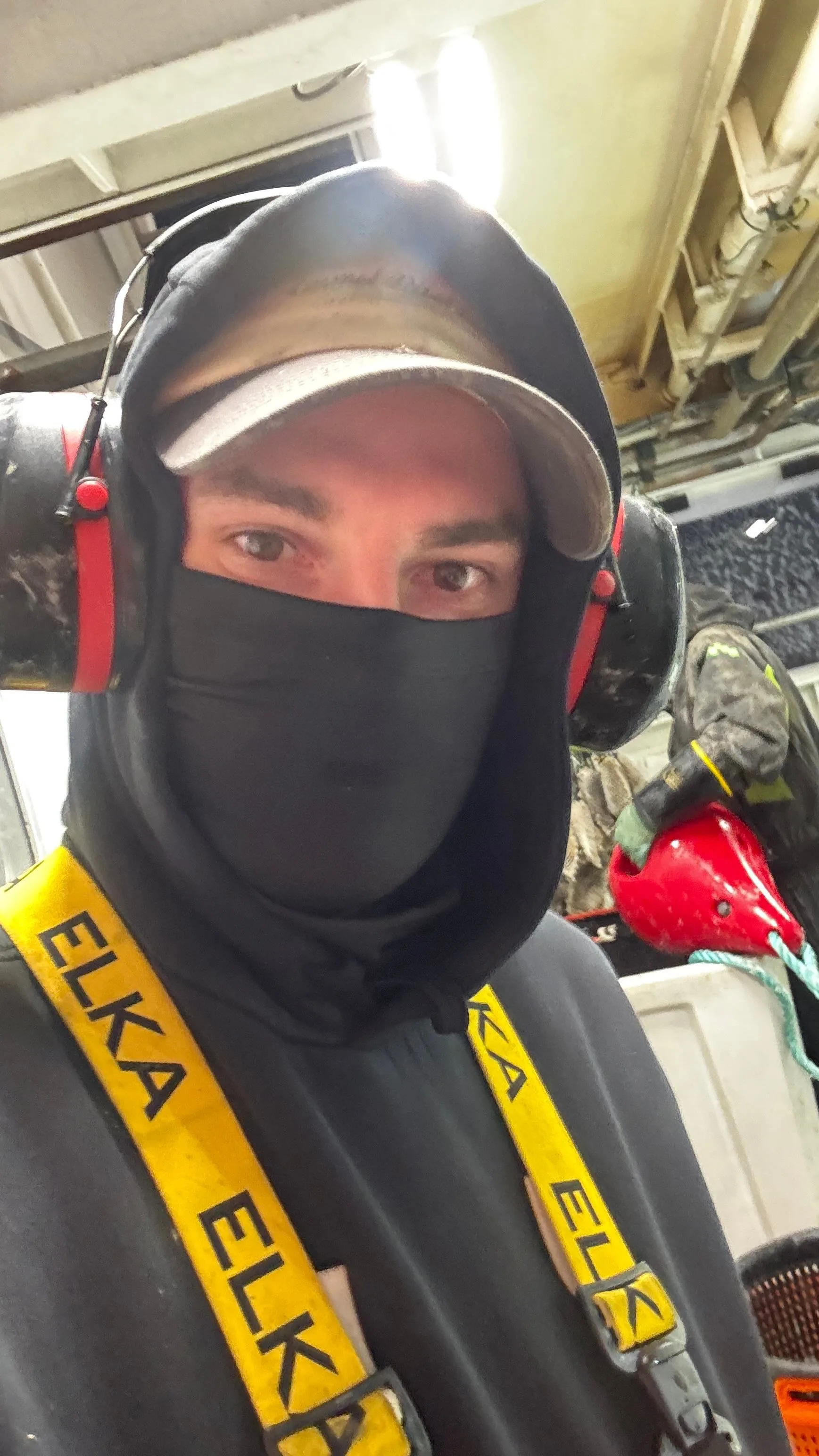
Deck work happens among constant vessel noise, factory lines, hydraulics and protective equipment.
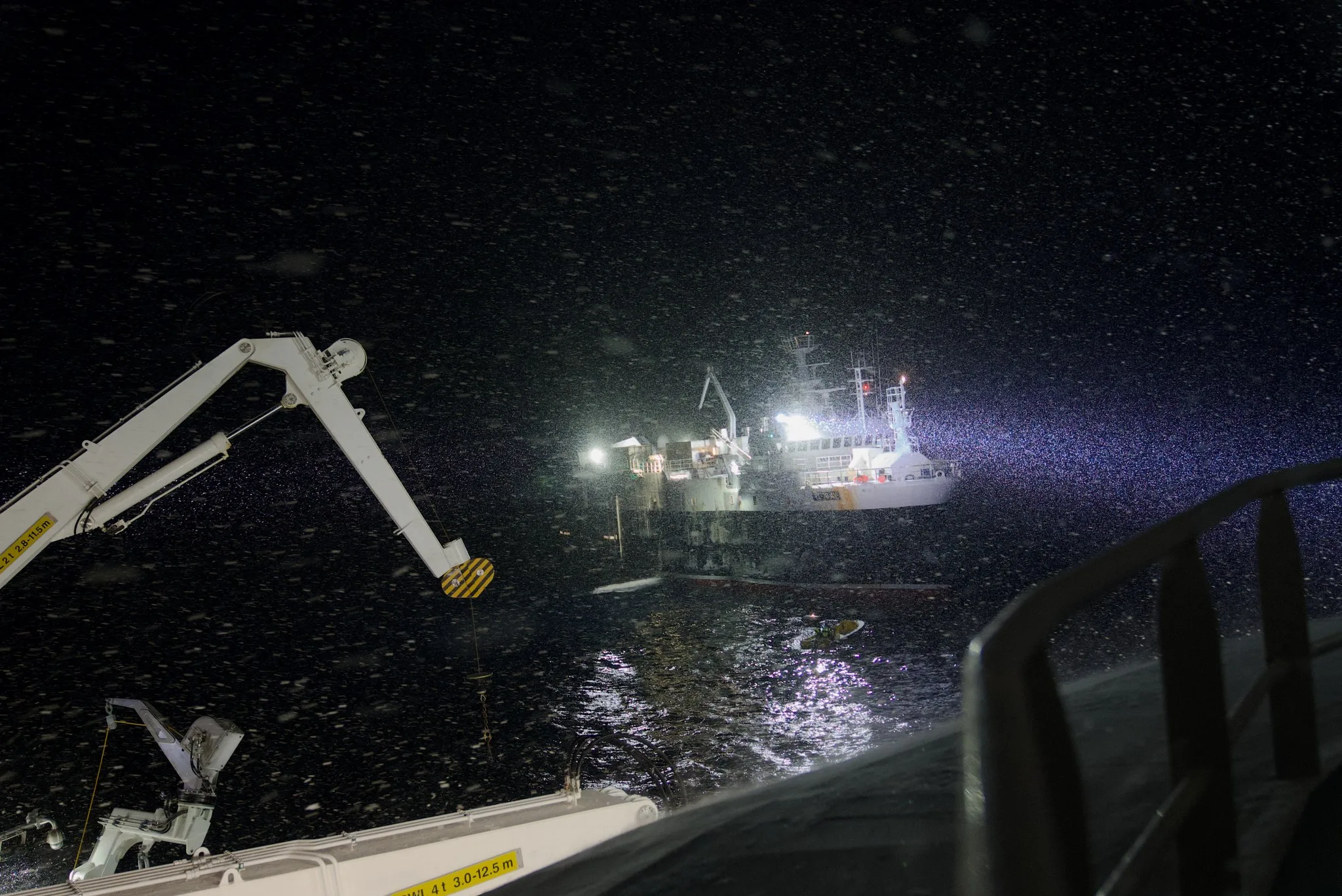
A neighbouring crab vessel delivered missing spare parts so the freezing system could start up correctly.
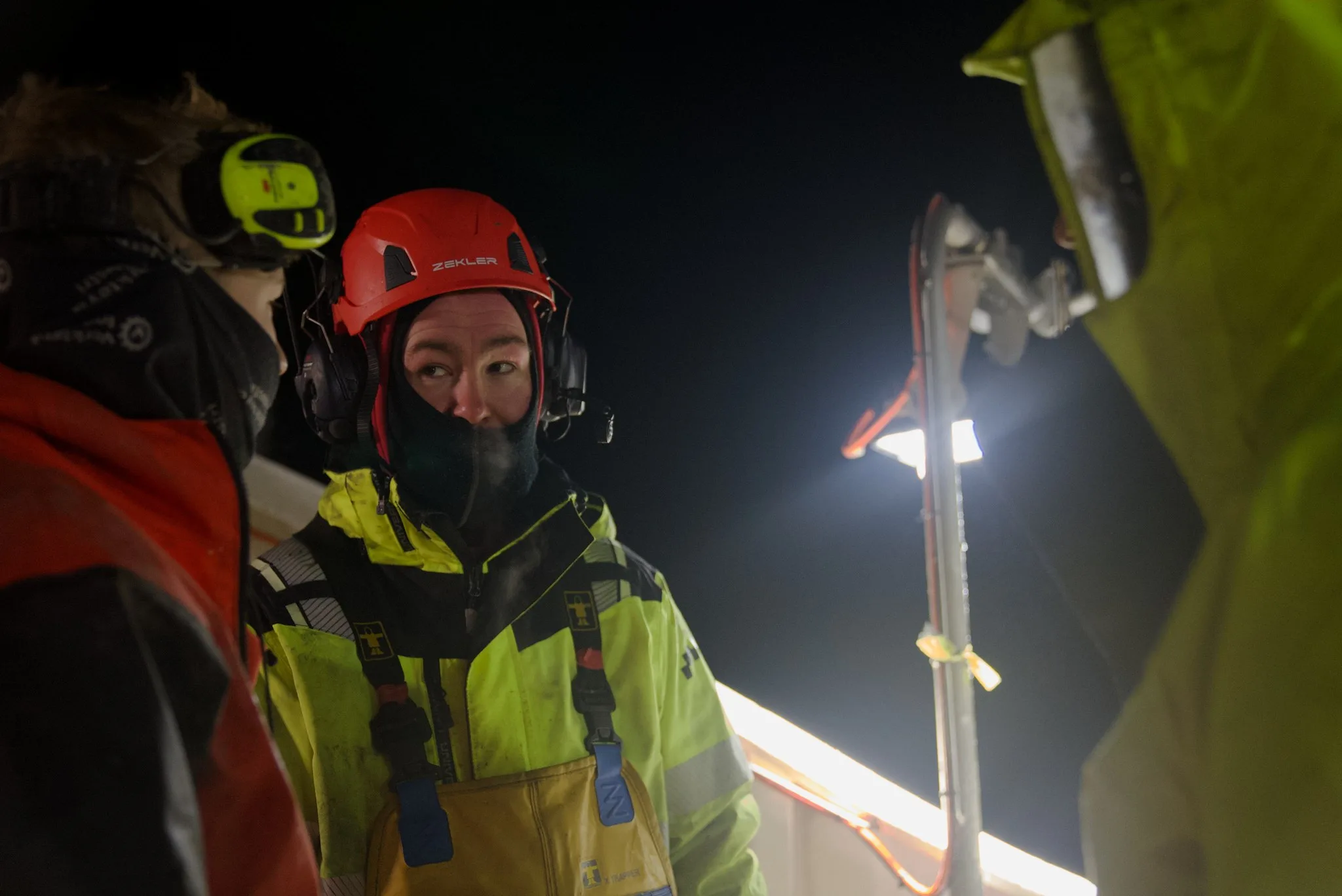
Deck photos from such voyages remember not only the vessel, but the crew who shared the work.
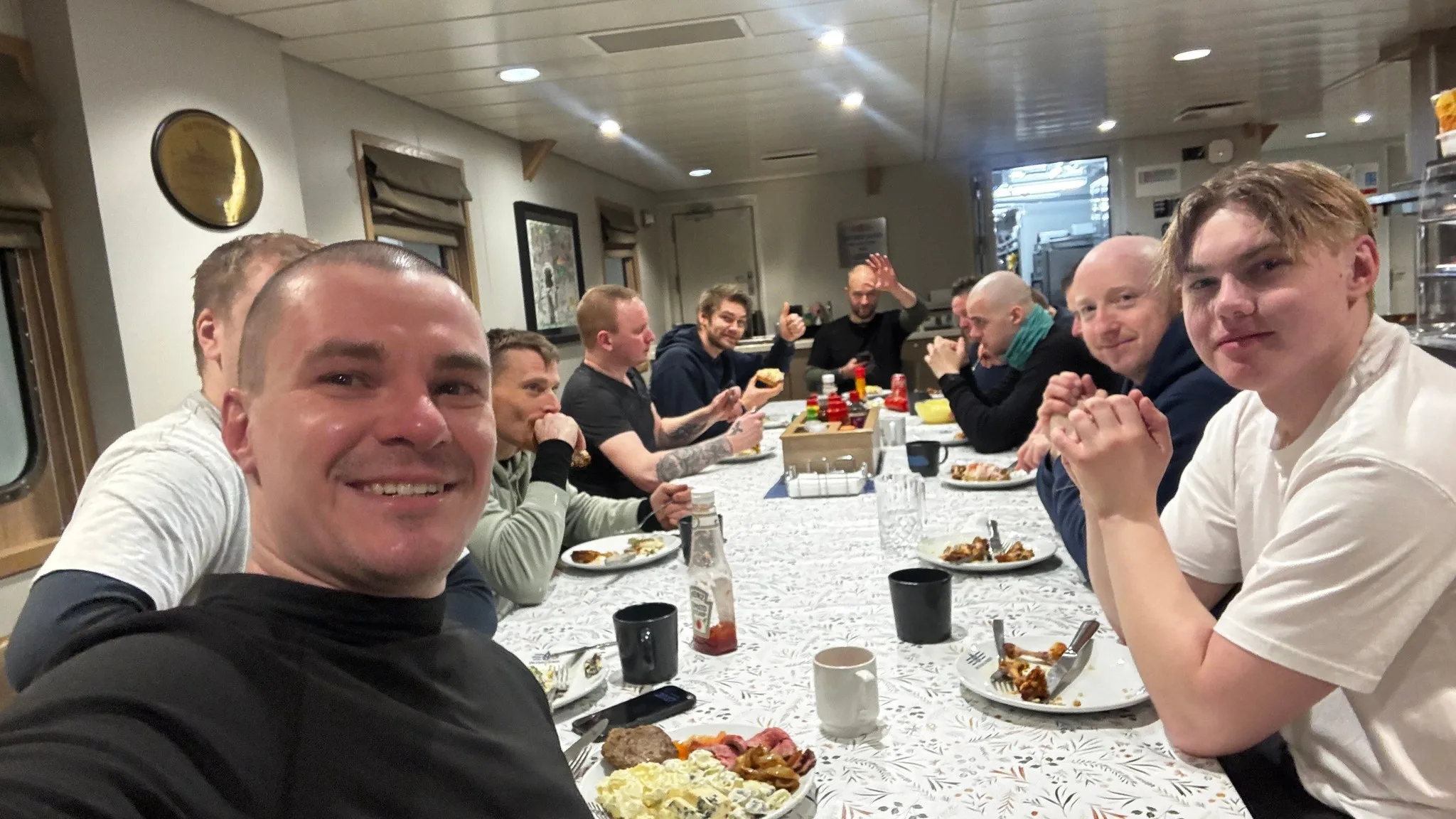
The mess room shows Norwegian fleet culture: officers, mechanics, factory crew and newcomers sit at one table.
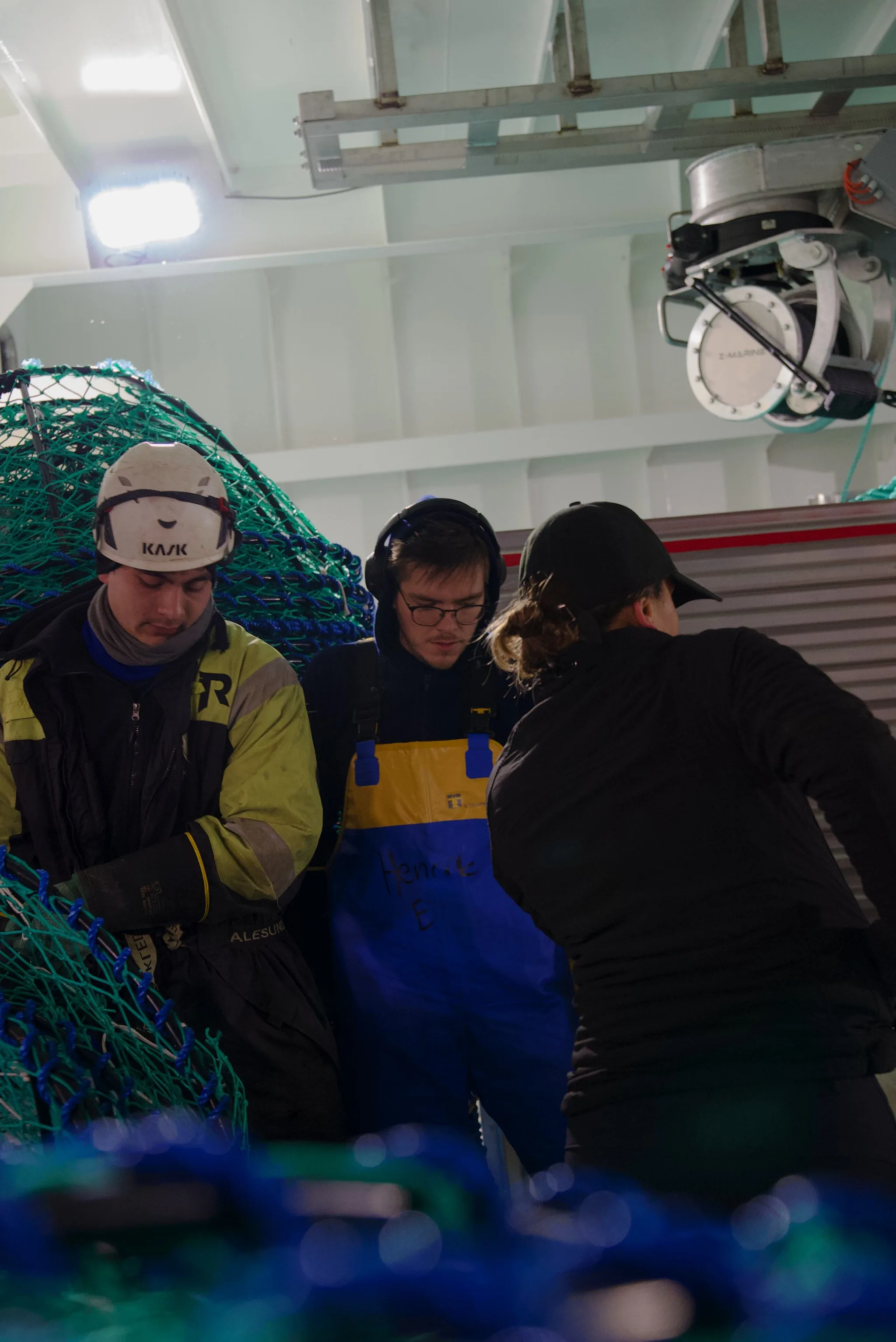
At the start of a season the whole vessel works as one team to prepare and set the pot lines.
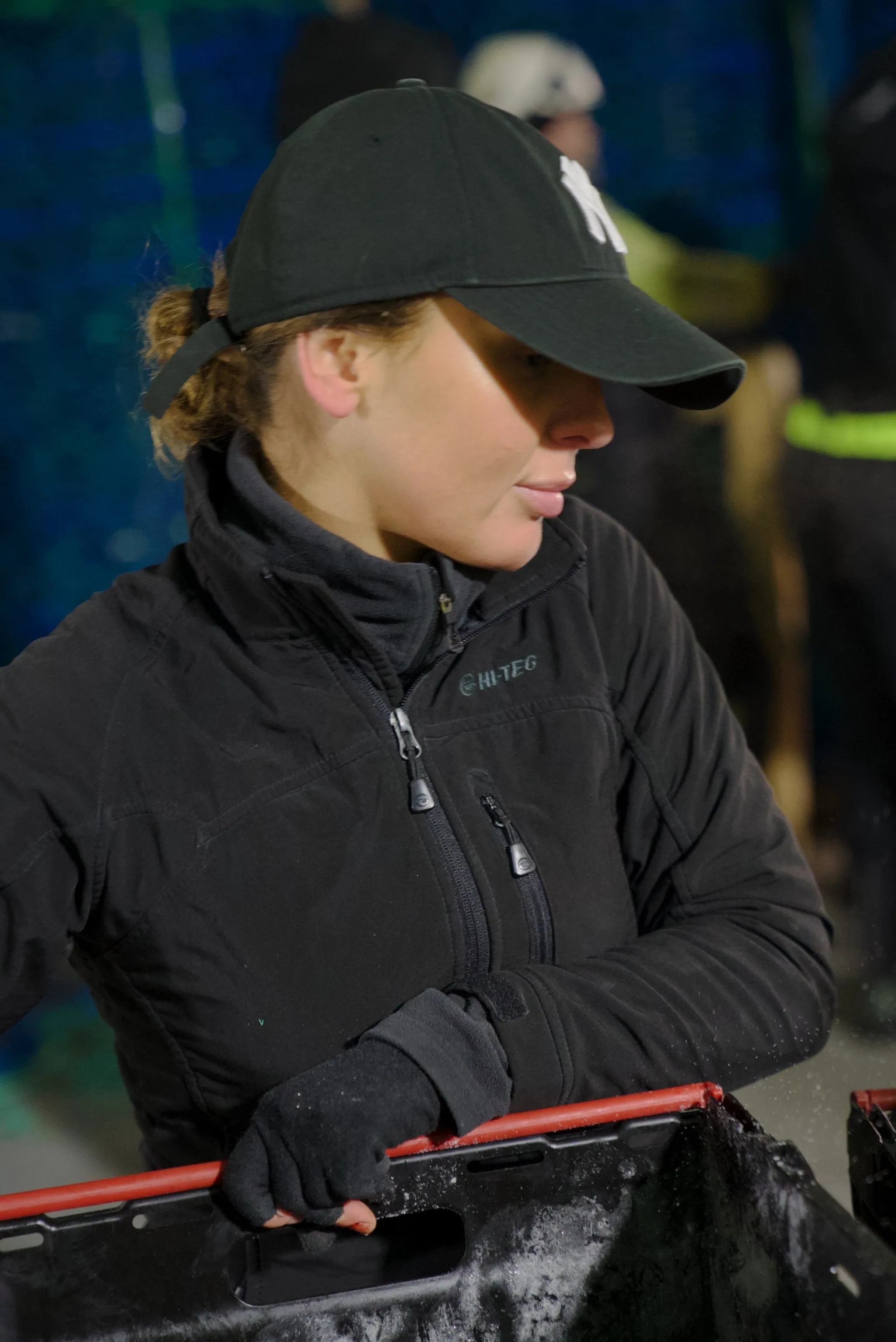
The archive shows the crew as part of the working life of the vessel, not as staged portraits.
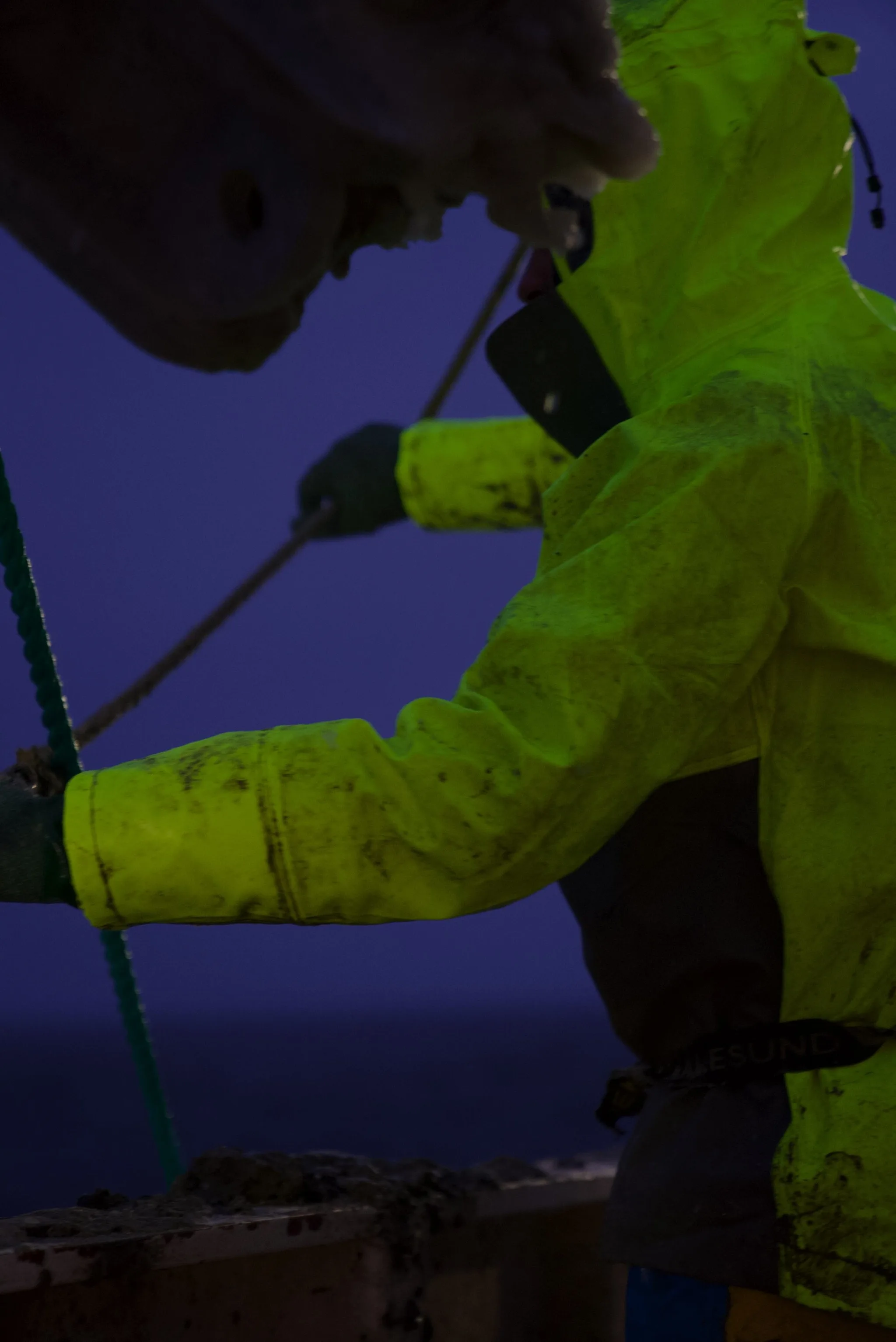
The Østerfjord’s crab season combined deck work, sorting and factory processes around the clock.
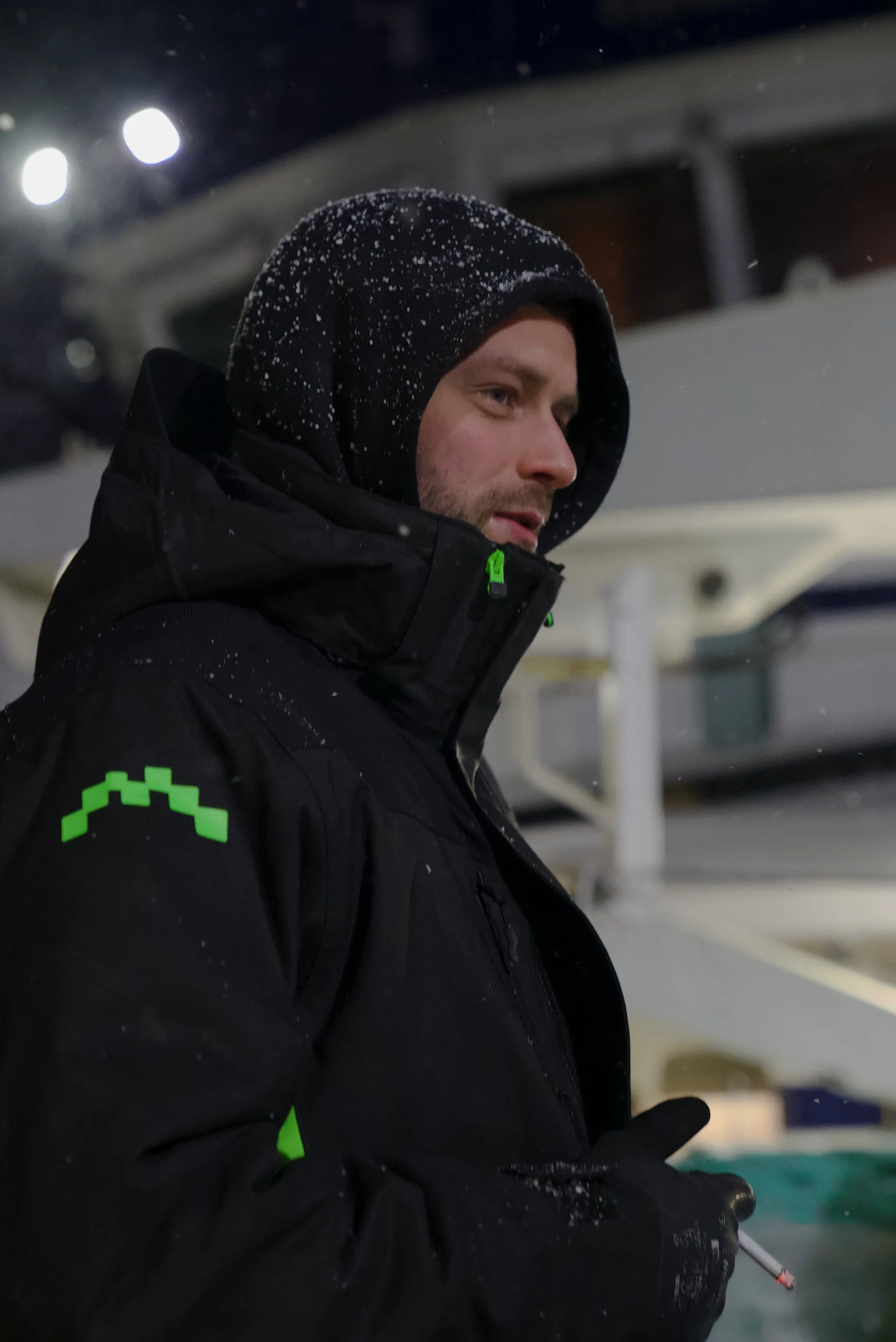
The page keeps Renat’s first-person archive from the 2026 snow-crab voyage.
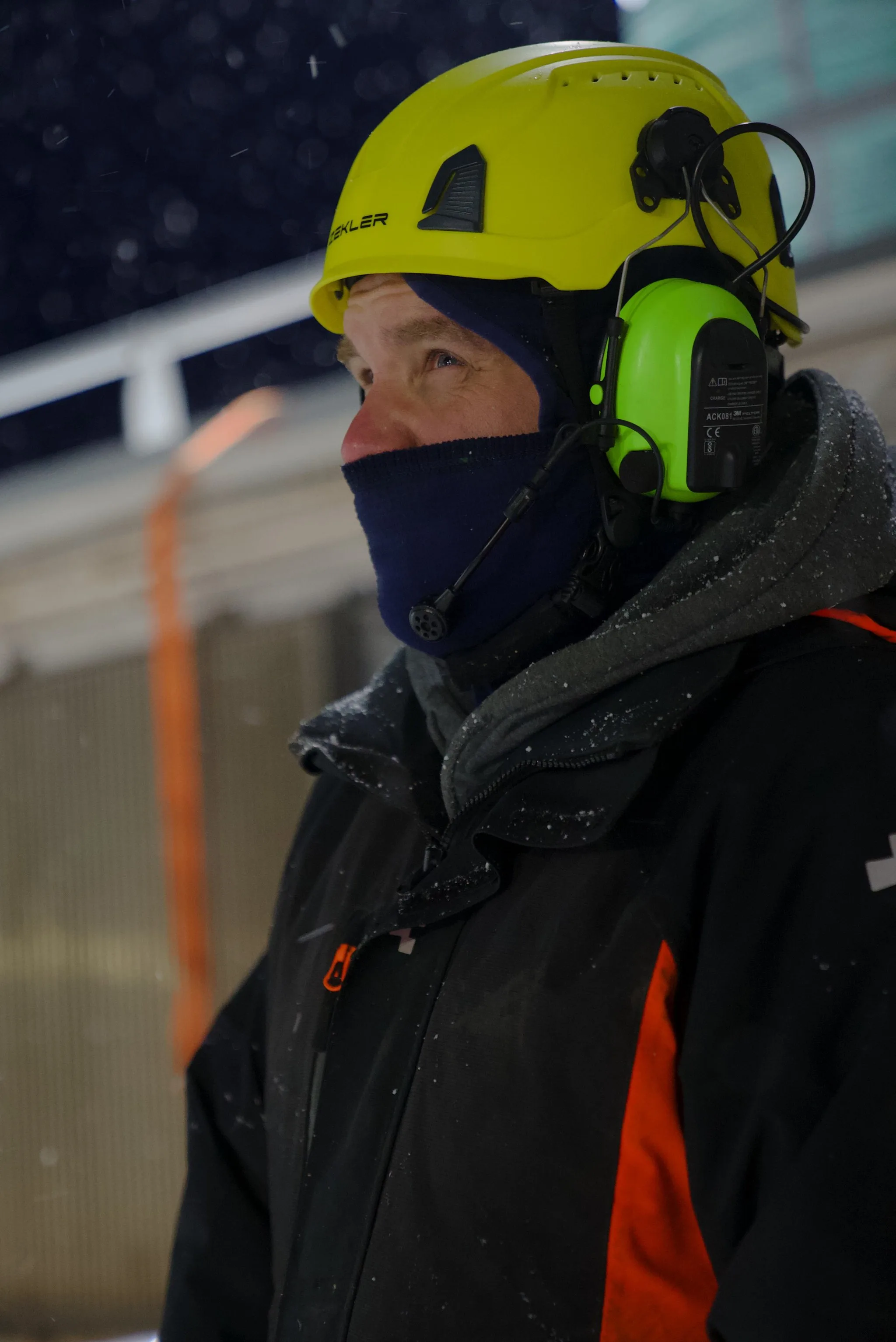
The most responsible deck positions coordinate pots, ropes, equipment and radio contact with the bridge.
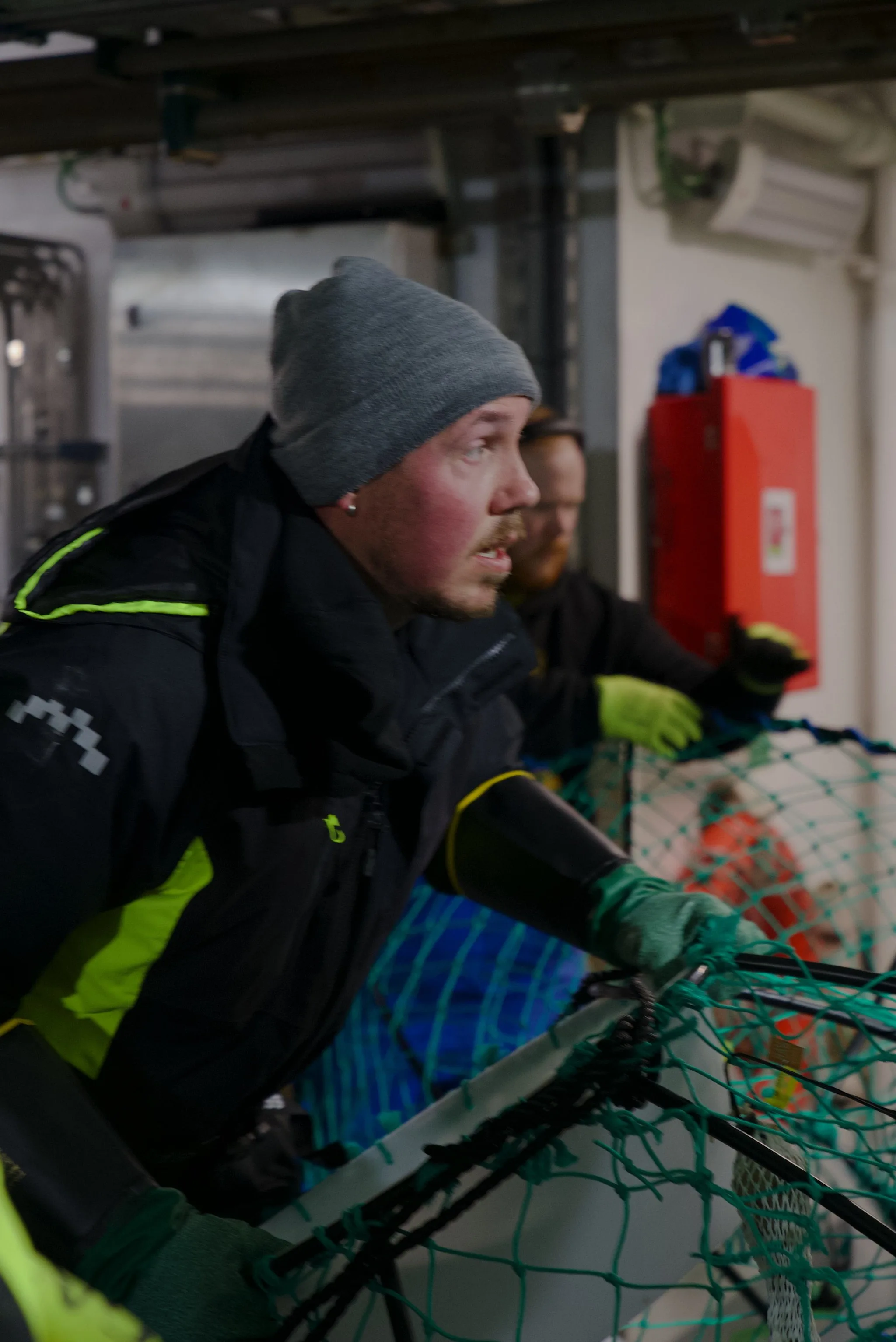
The enclosed working zone protects the crew from weather while keeping the fishing process active.
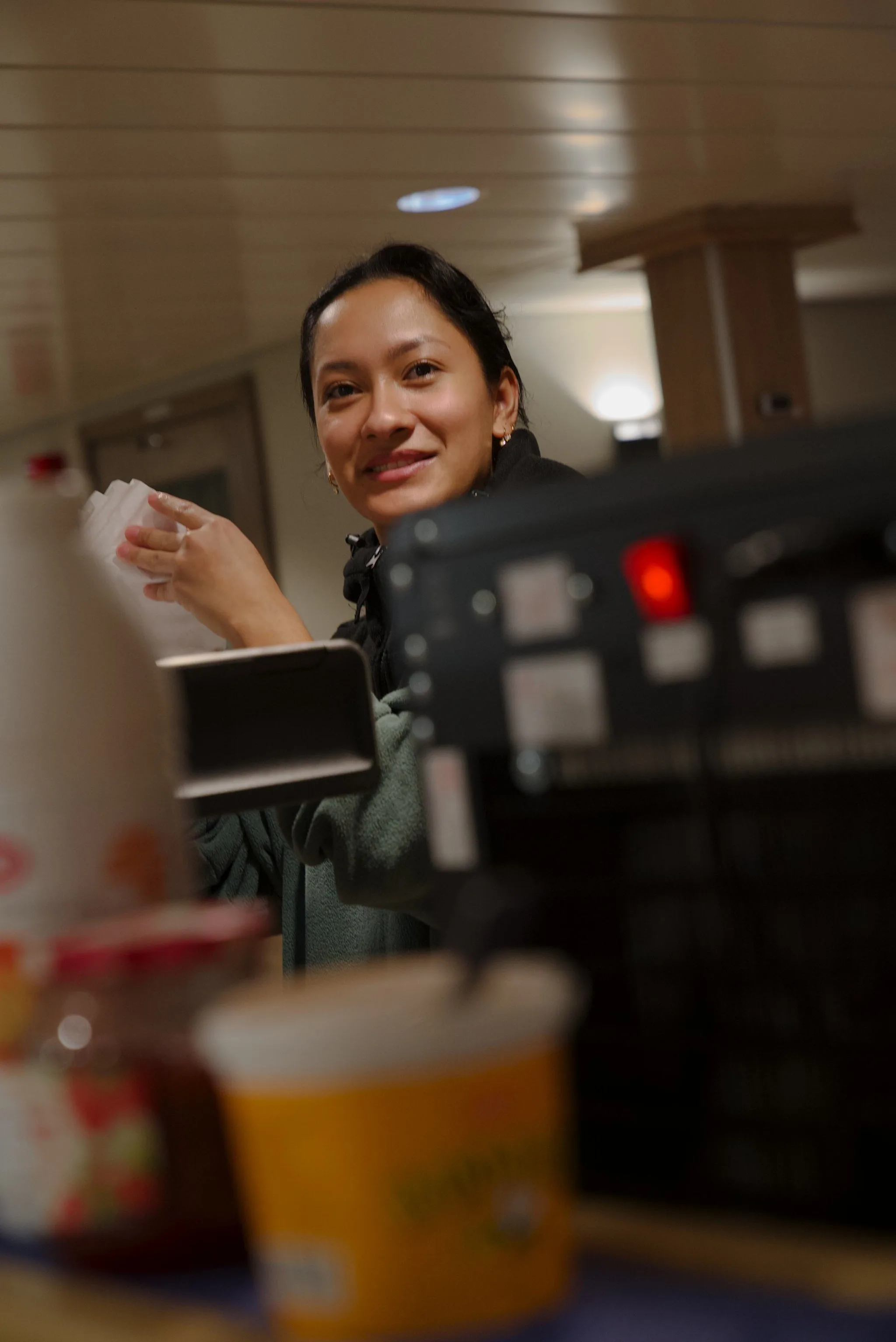
Cleanliness, meals and order in the living spaces are part of why modern vessels feel different.
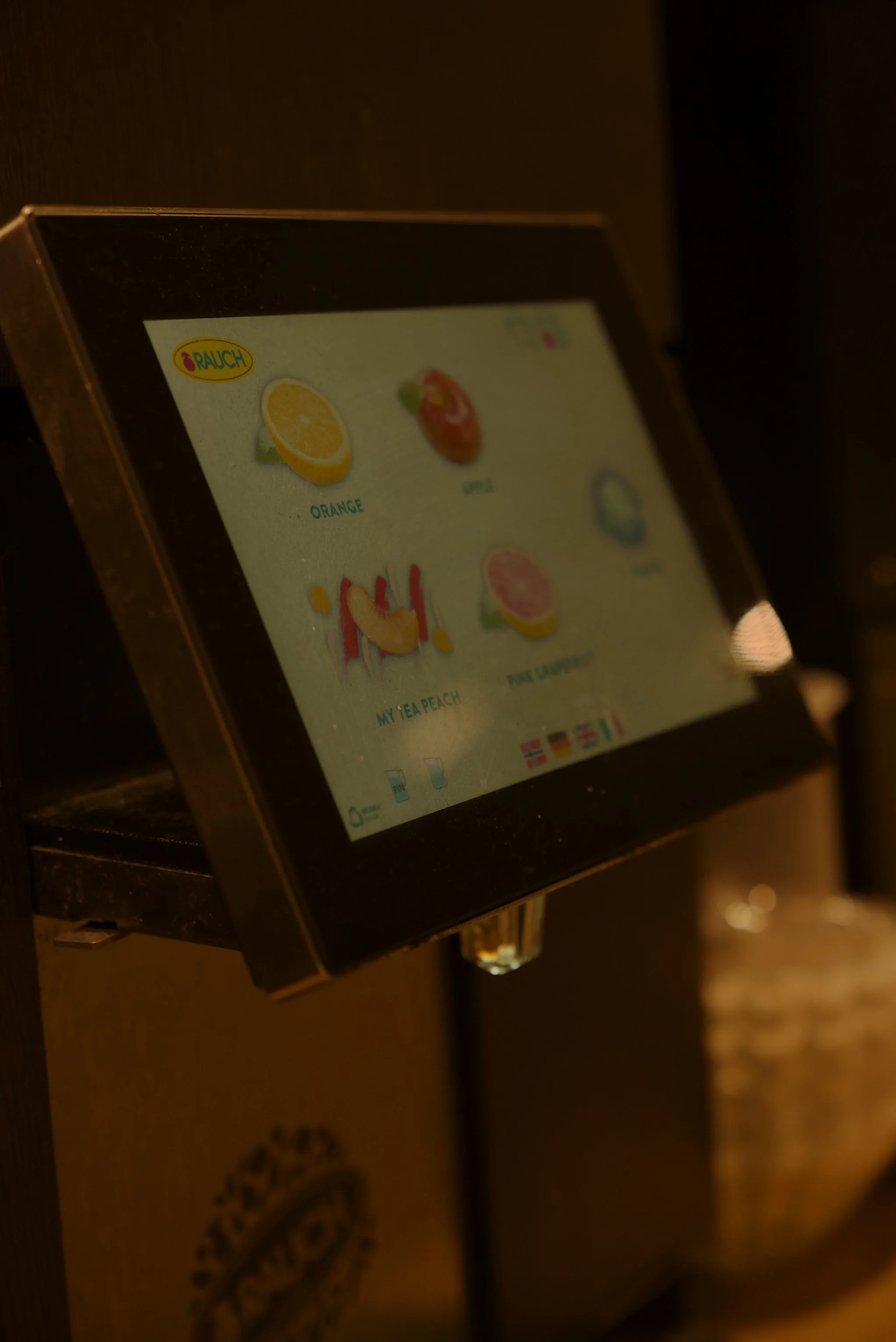
Food, conversation and rest are central to life during a long Arctic voyage.
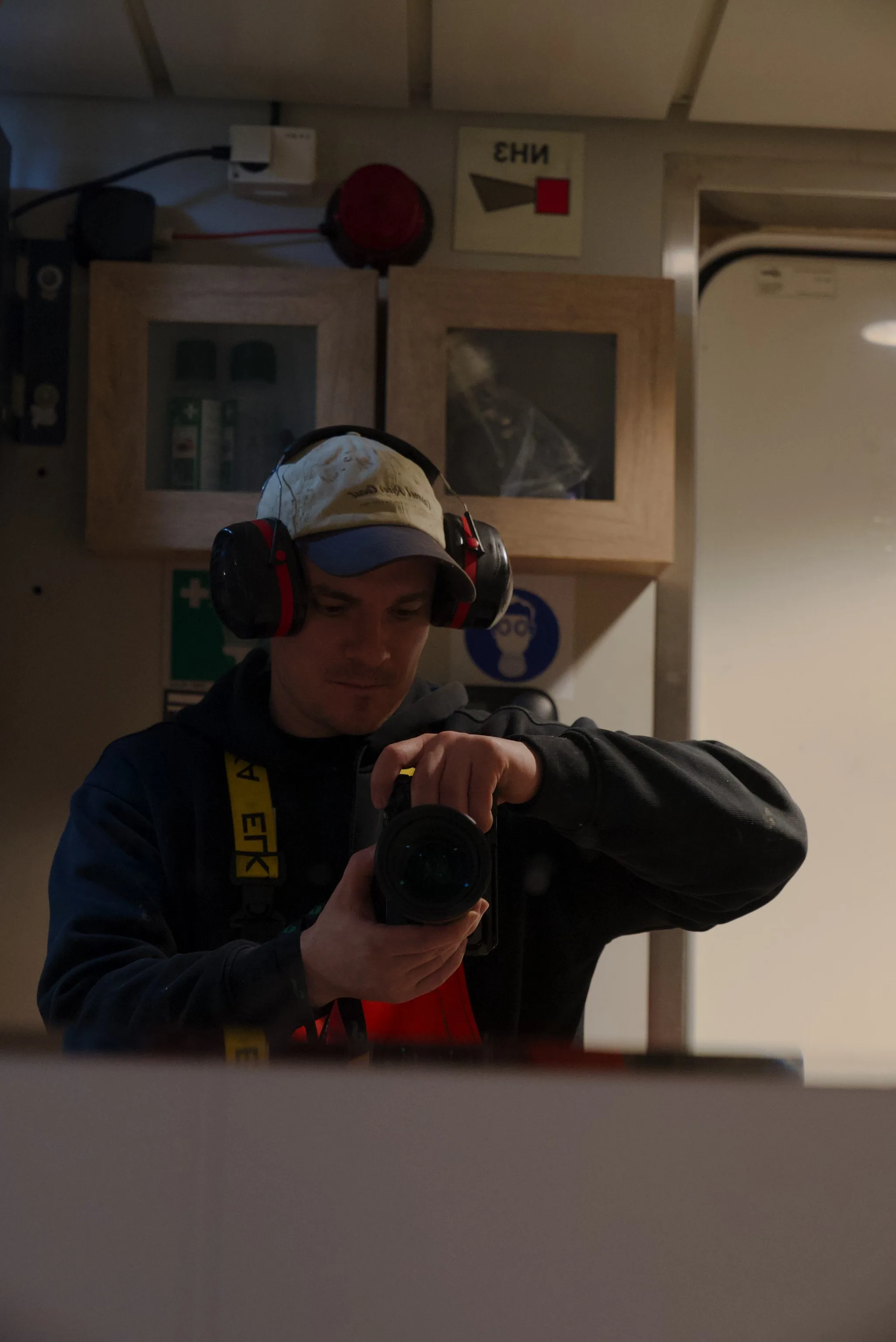
Renat documented the vessel with a professional camera, after approval from the captain and company.
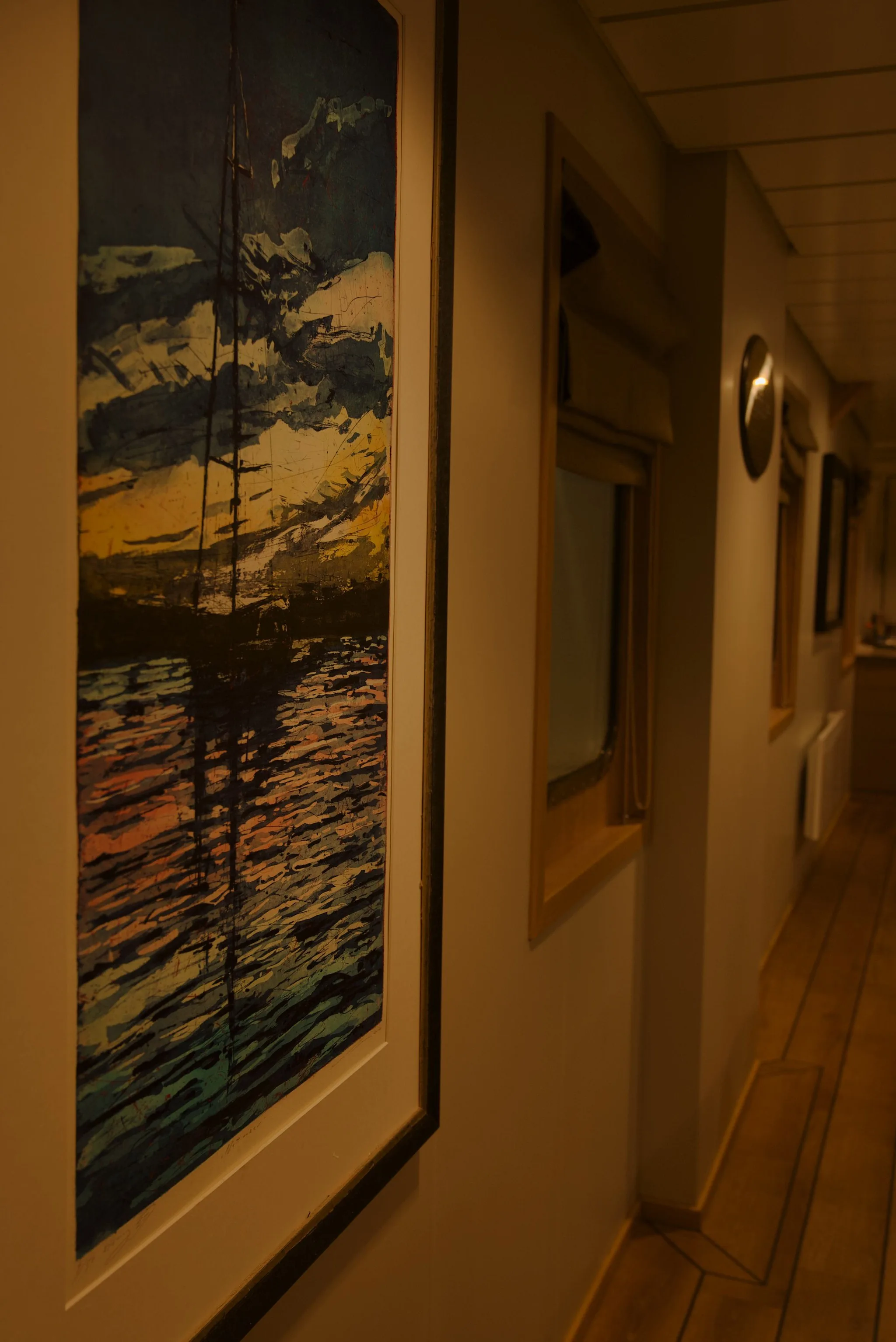
The interior felt closer to a good hotel than to the old image of a cramped fishing vessel.
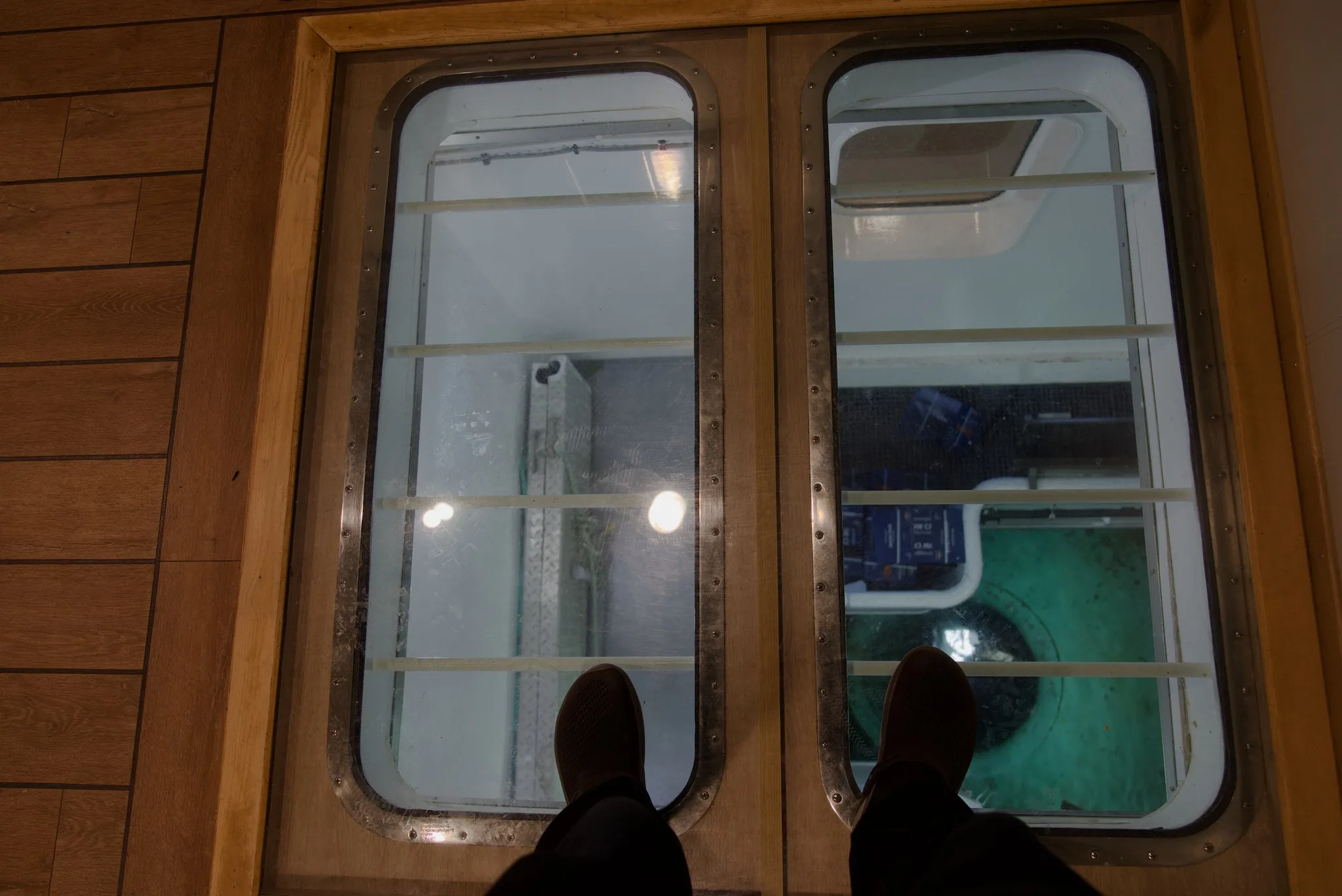
The moonpool is one of the technologies that makes the vessel safer and more protected in bad weather.
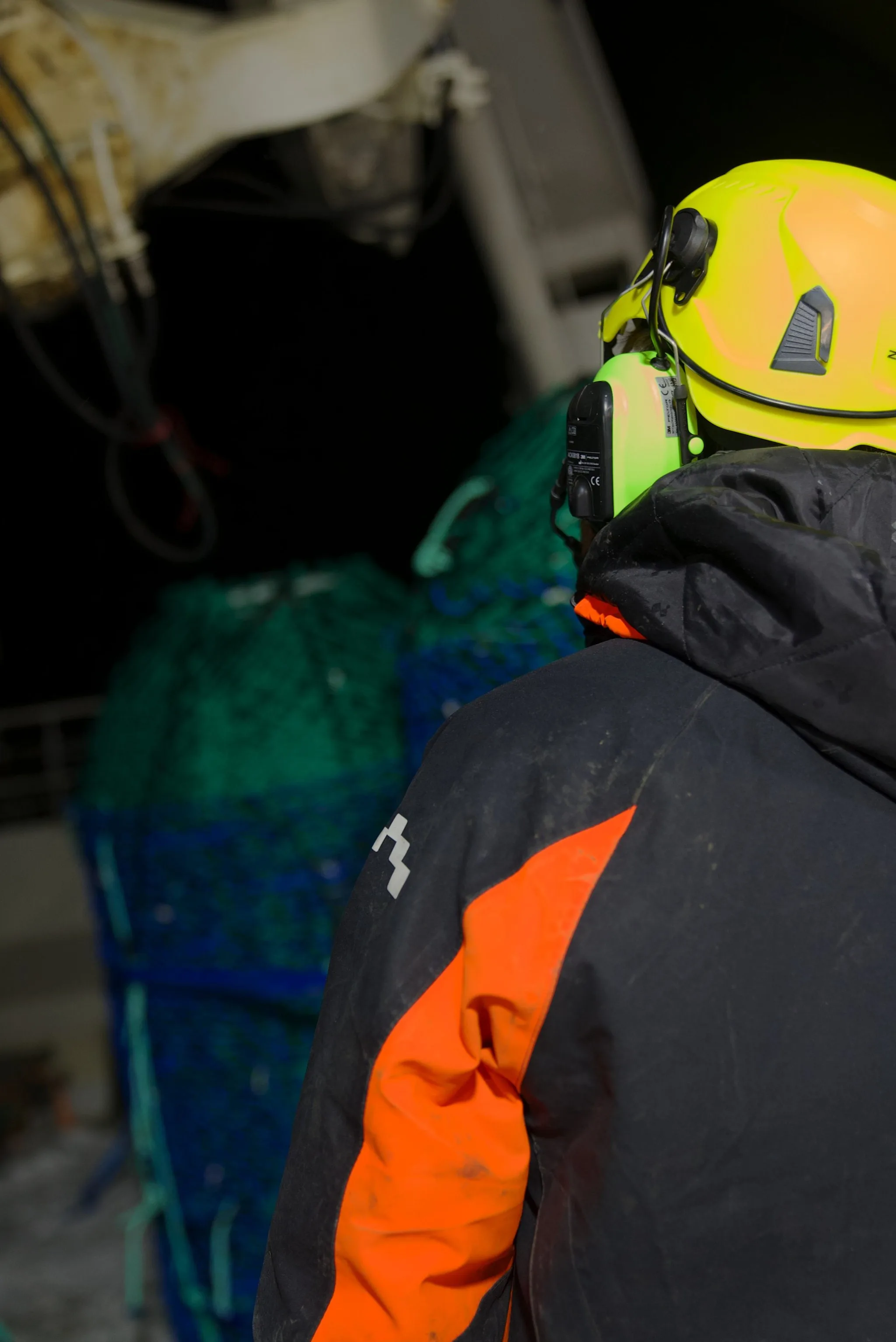
Pot work remains physical and dynamic even on a highly automated vessel.
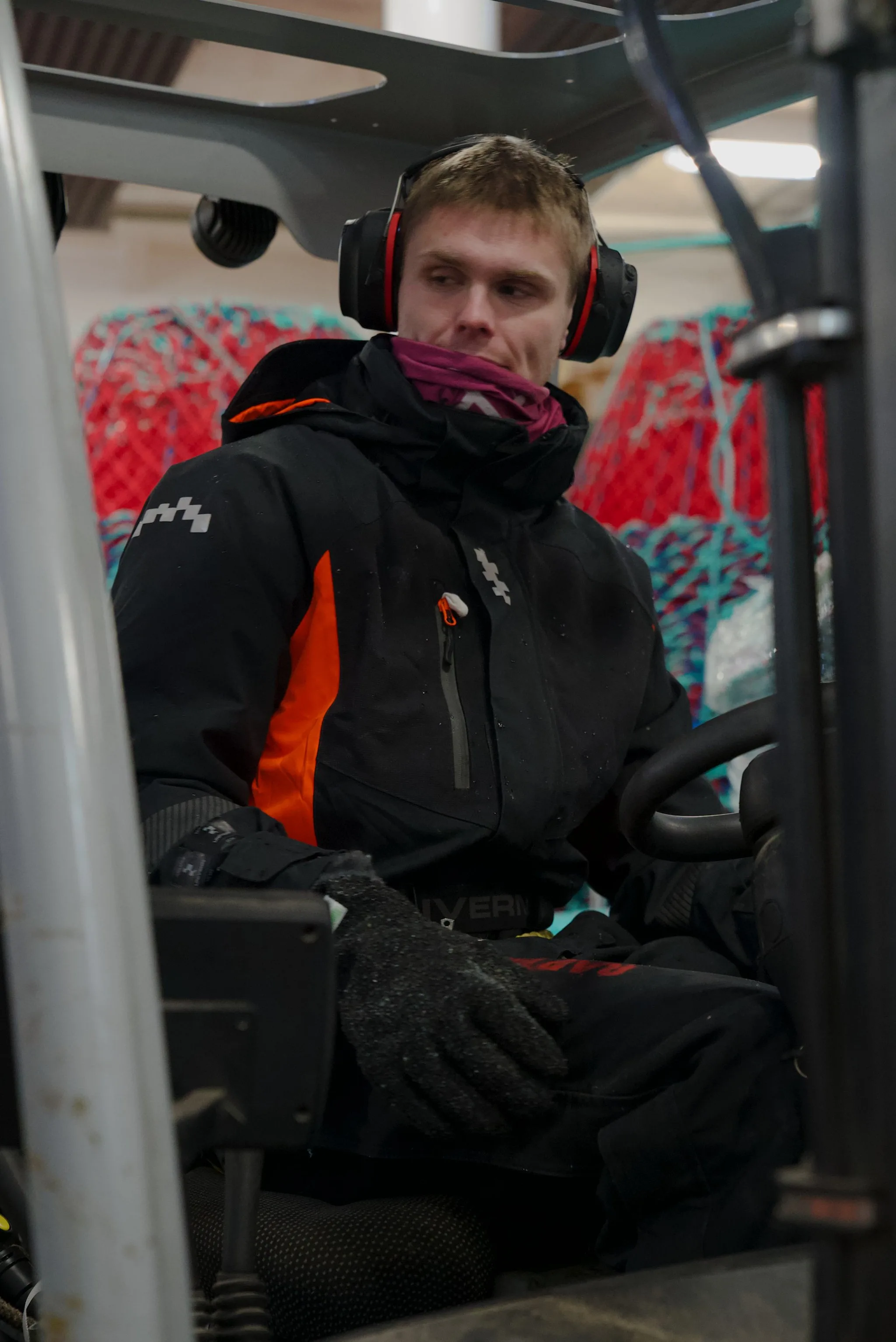
The electric forklift moves finished pallets and helps balance the load in the hold.
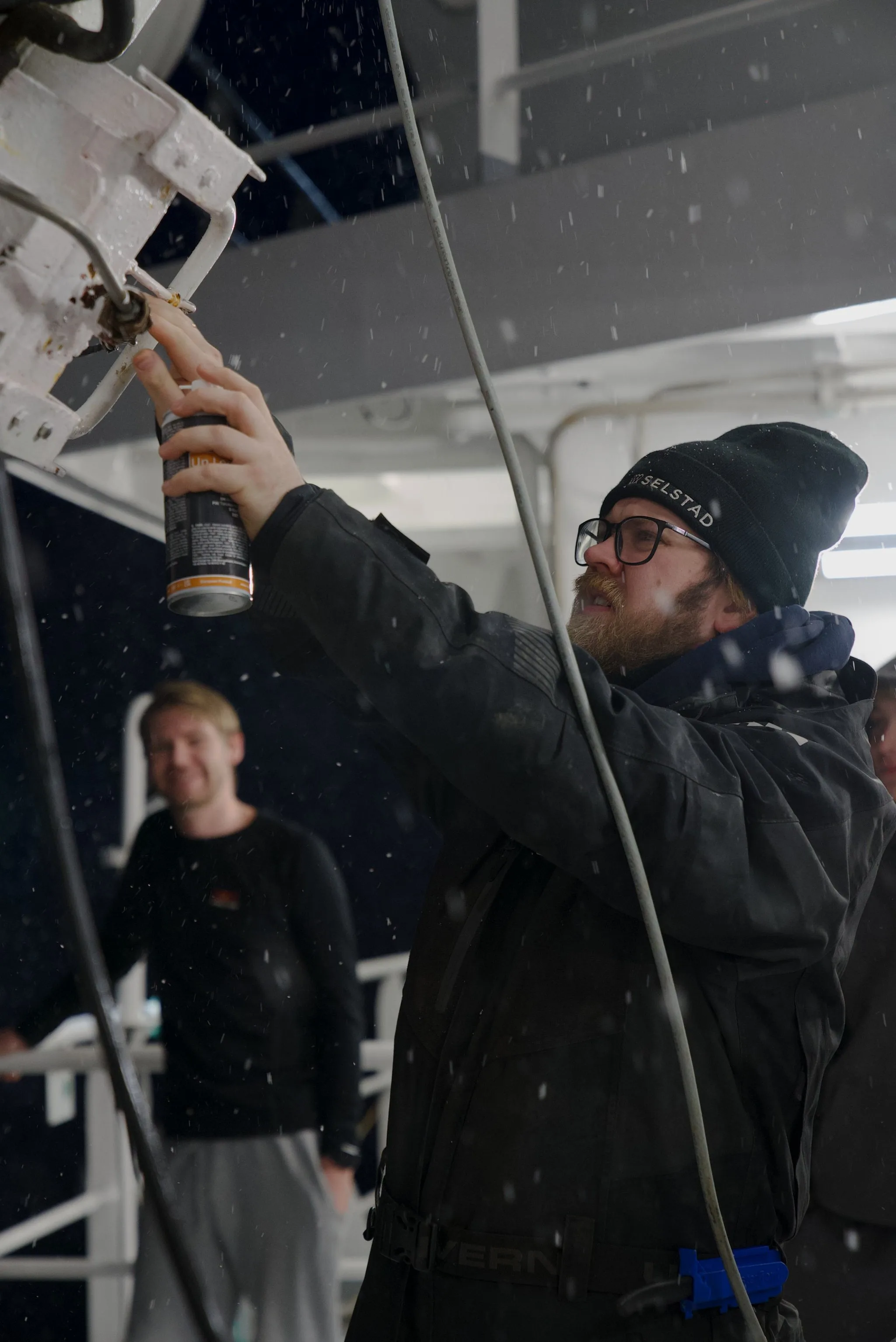
On a new vessel, prevention and maintenance are still constant work for the engineering team.
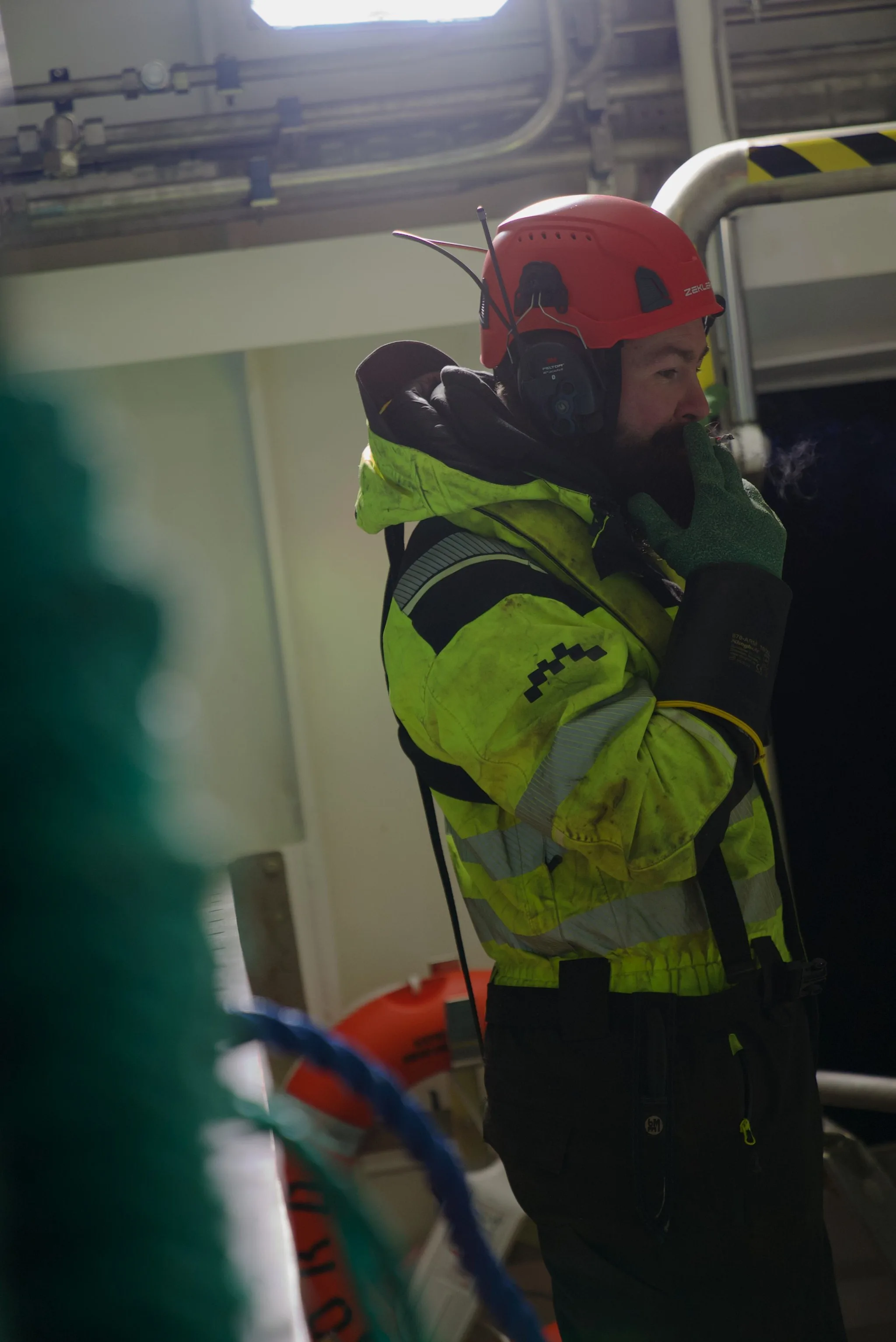
The deck leader handles the most responsible operations and coordinates directly with the captain.
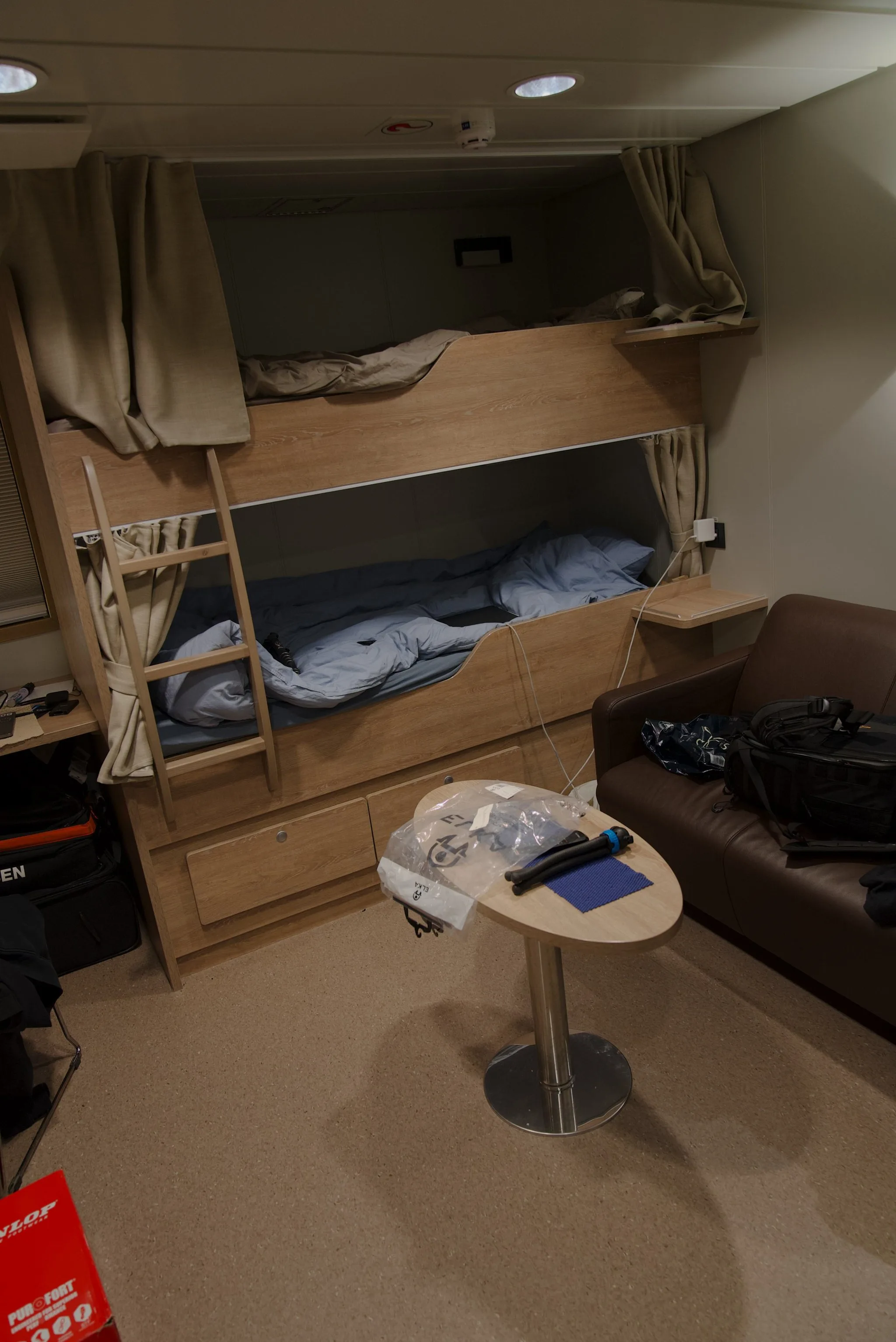
The cabin is technically for two people, but opposite watches mean each seaman is often alone there.
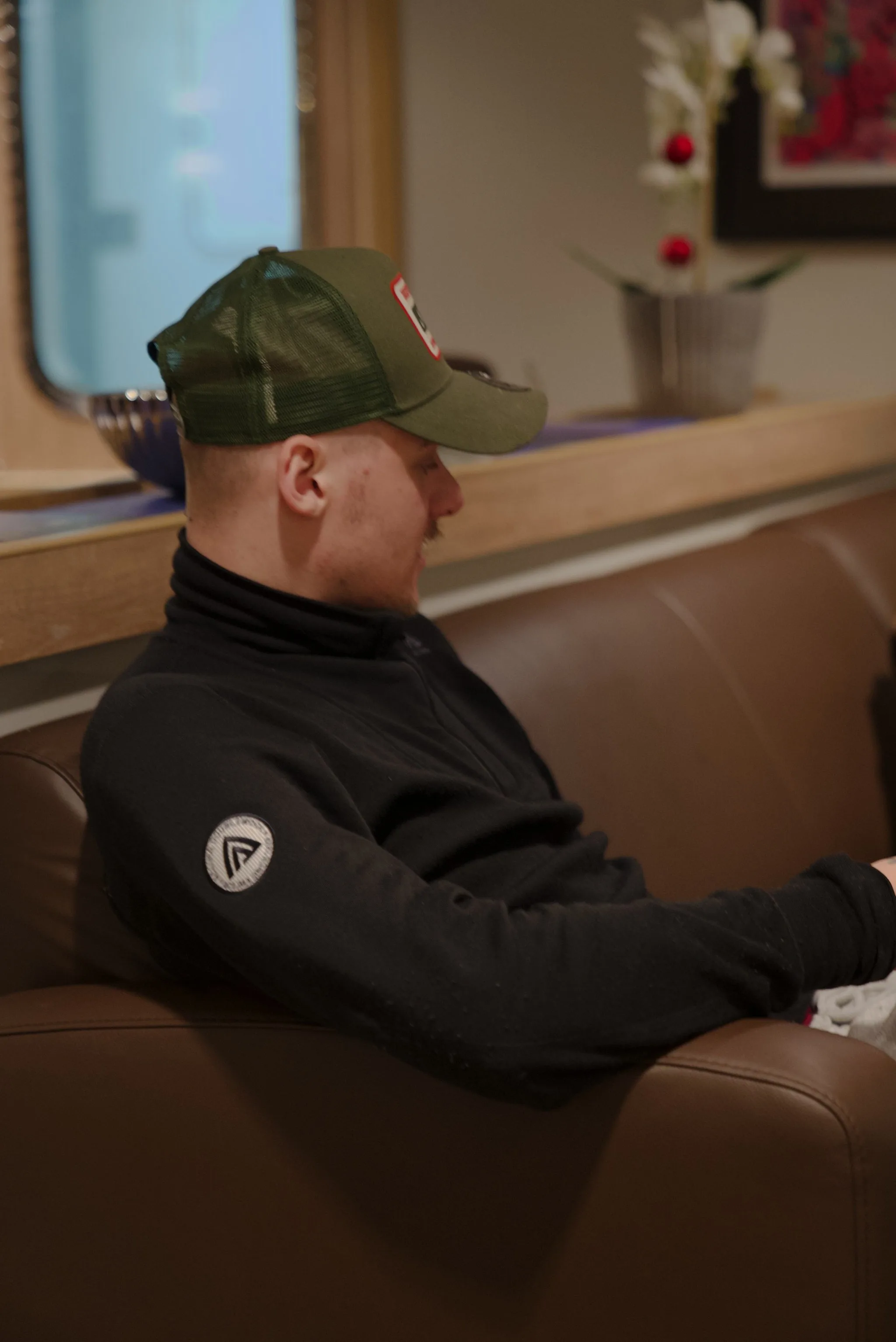
Rest spaces matter during a 6-on, 6-off schedule and weeks in the Barents Sea.
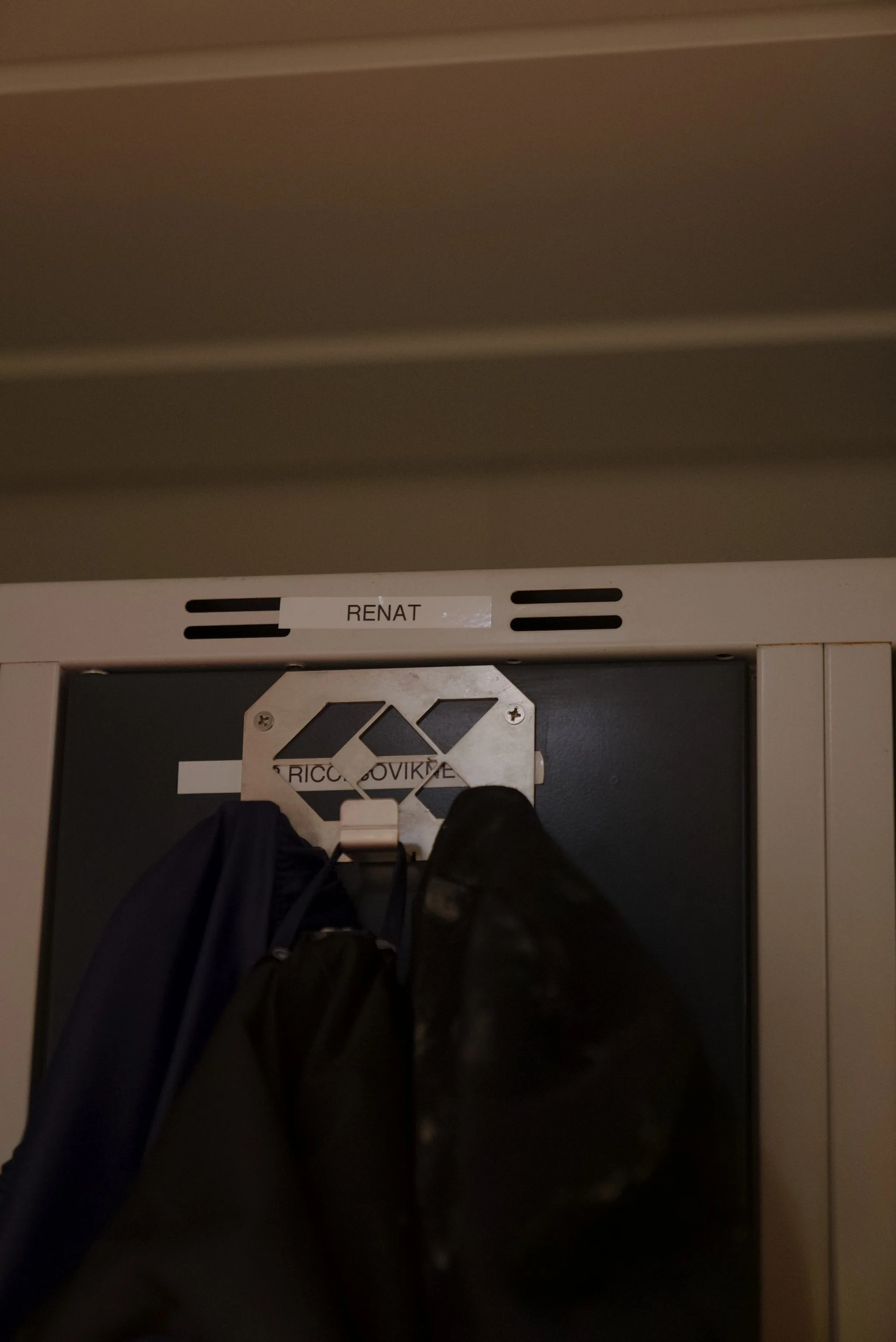
The changing room separates dirty deck gear from clean living spaces and keeps the vessel comfortable.
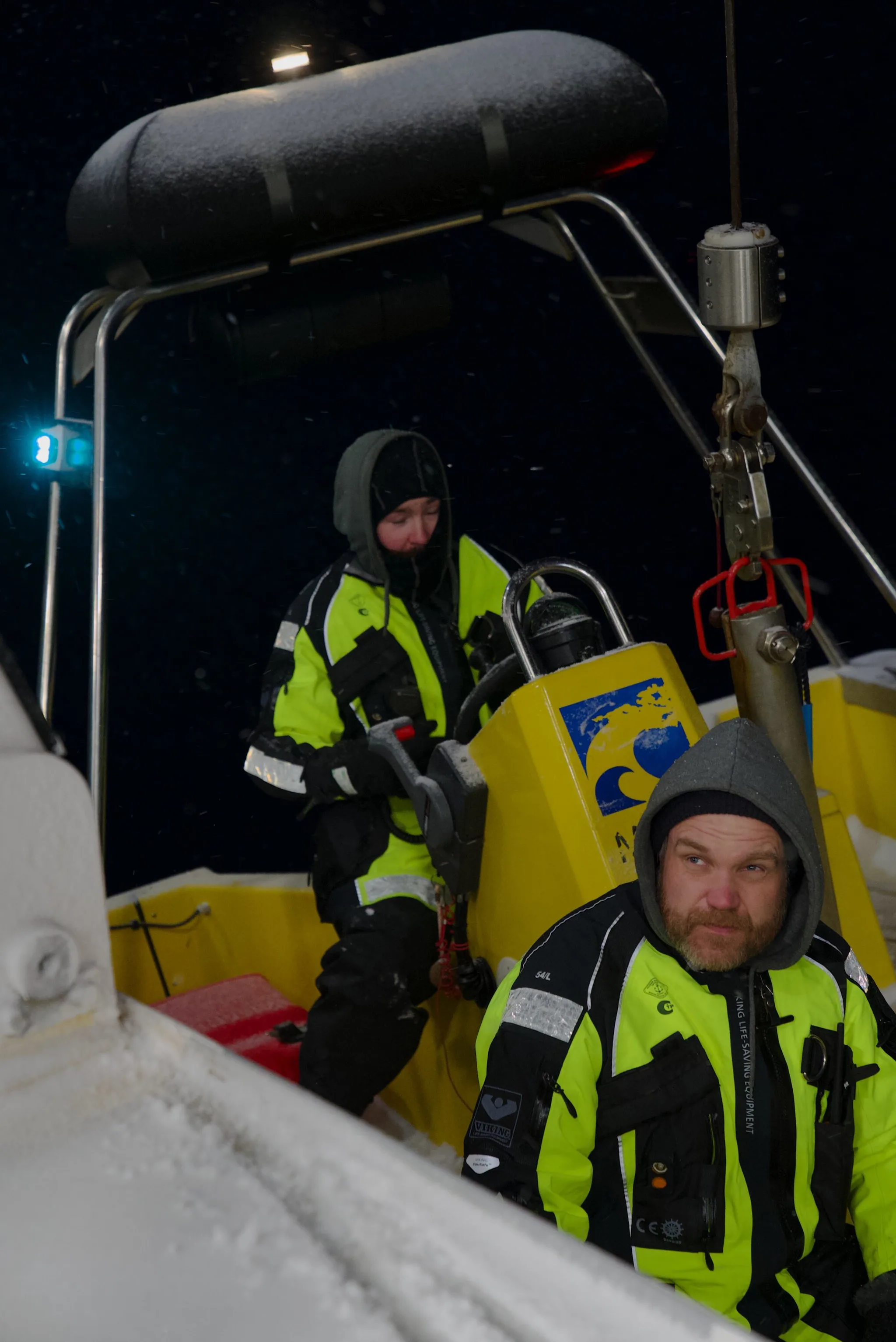
Rescue boats are part of daily readiness and can also support transfers between vessels.
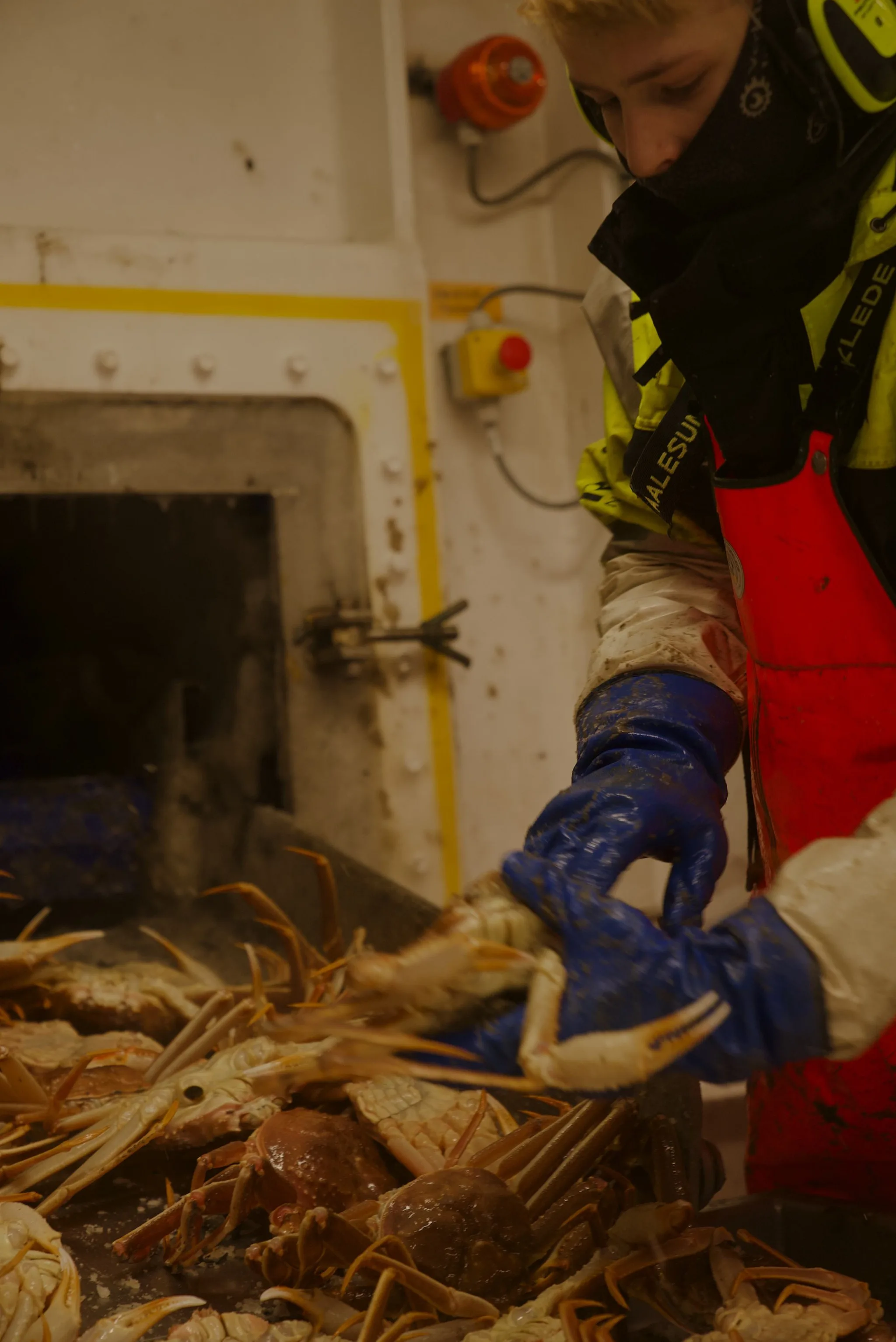
The crab is protected from freezing before processing so quality and commercial value are preserved.
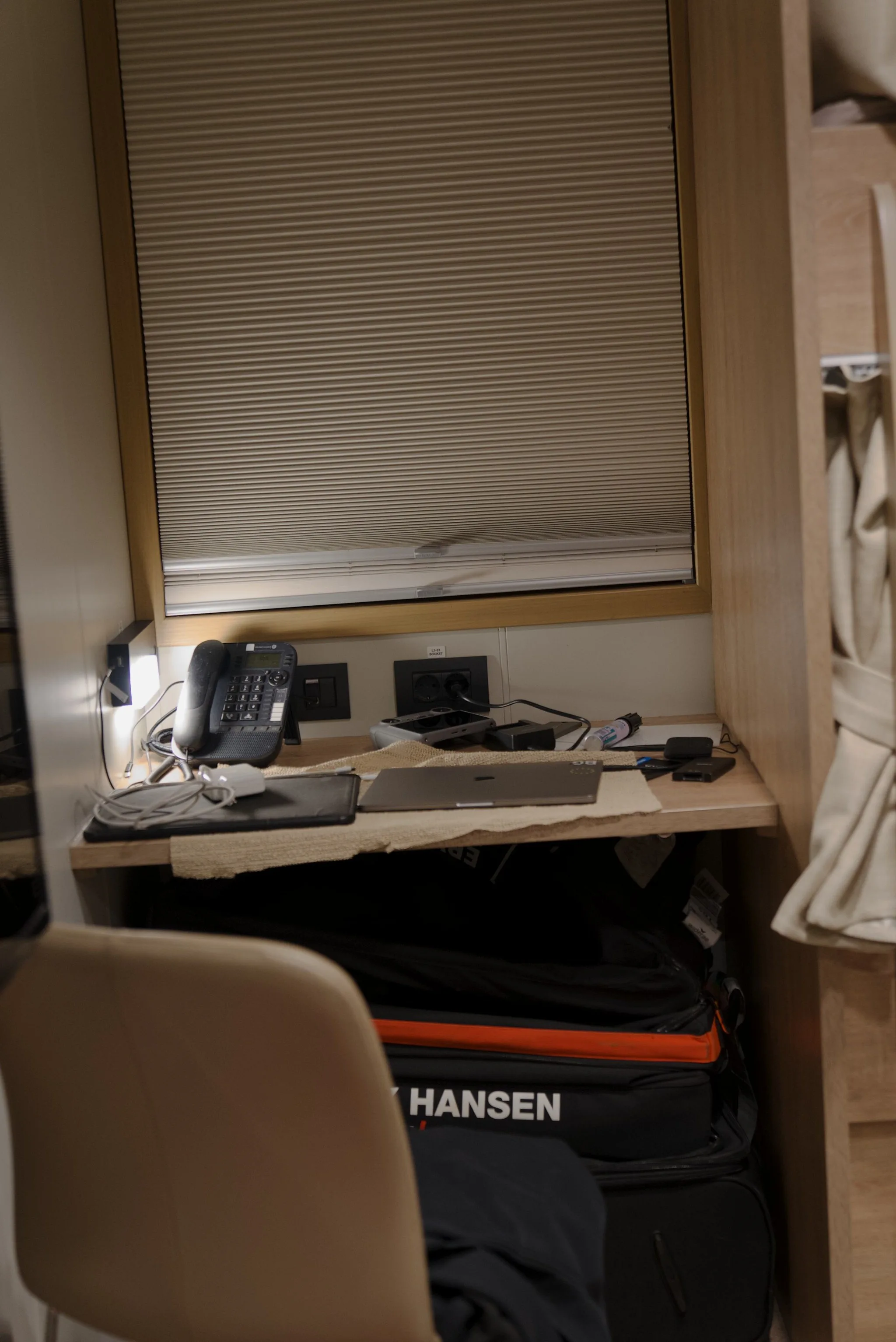
The cabin desk holds the laptop, phone and cameras used to document the voyage.
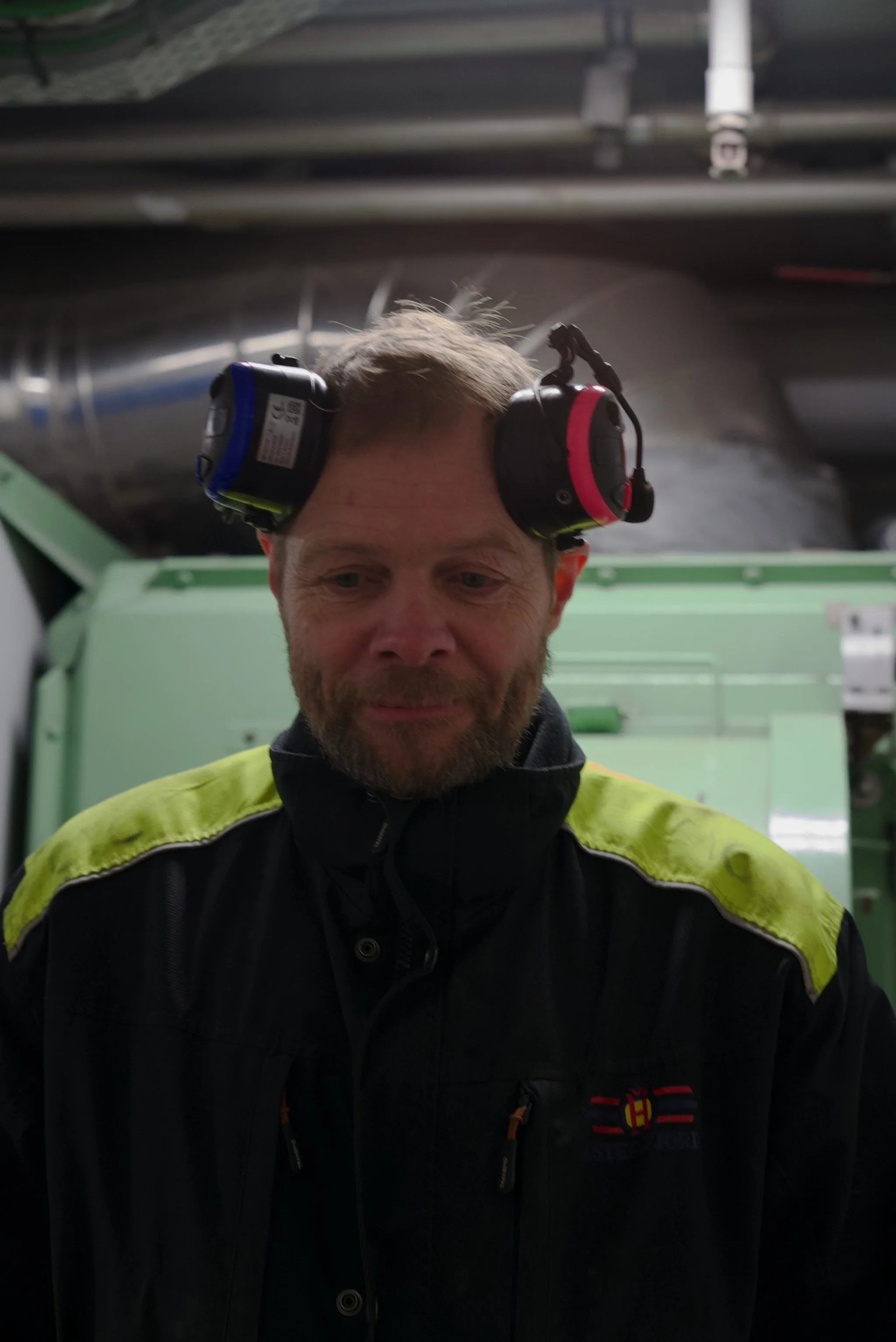
A good chief engineer keeps engines, hydraulics, refrigeration, electronics and water systems alive at sea.
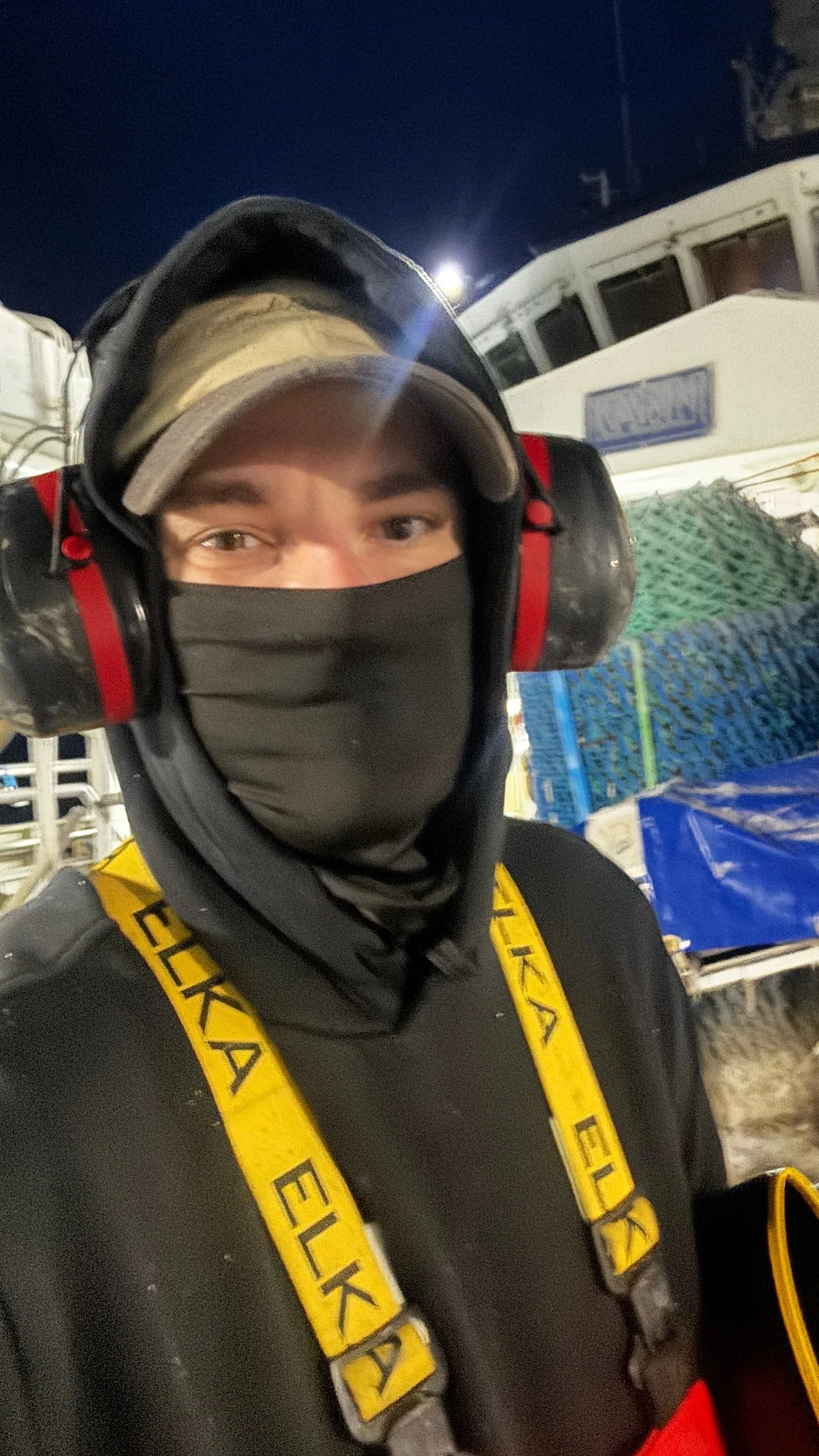
Even if gear is missing on arrival, the crew and vessel usually help a newcomer prepare for work.
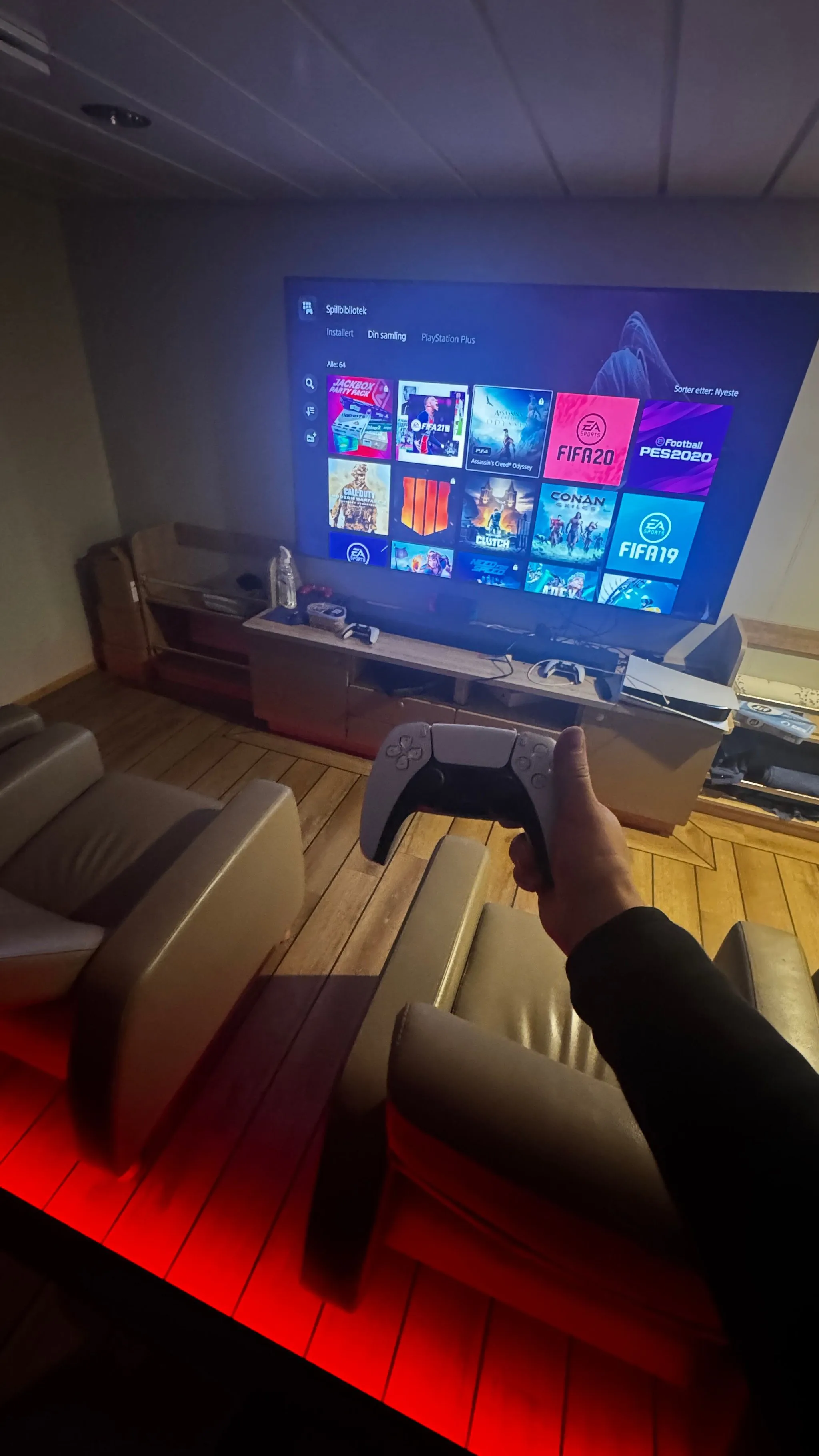
Shared rest rooms are part of the modern standard of crew comfort.
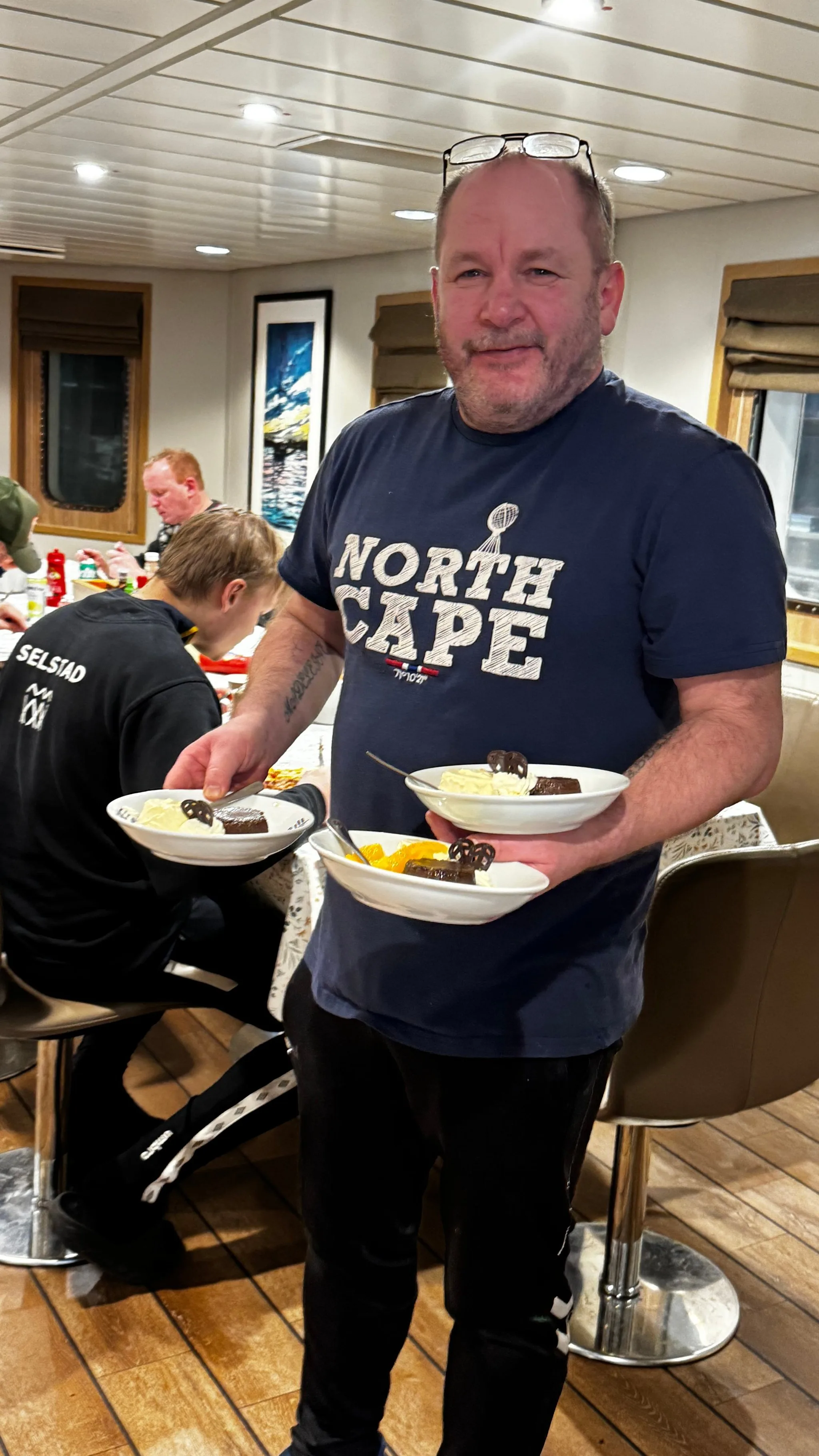
The galley is one of the places where a vessel’s care for the crew becomes most visible.
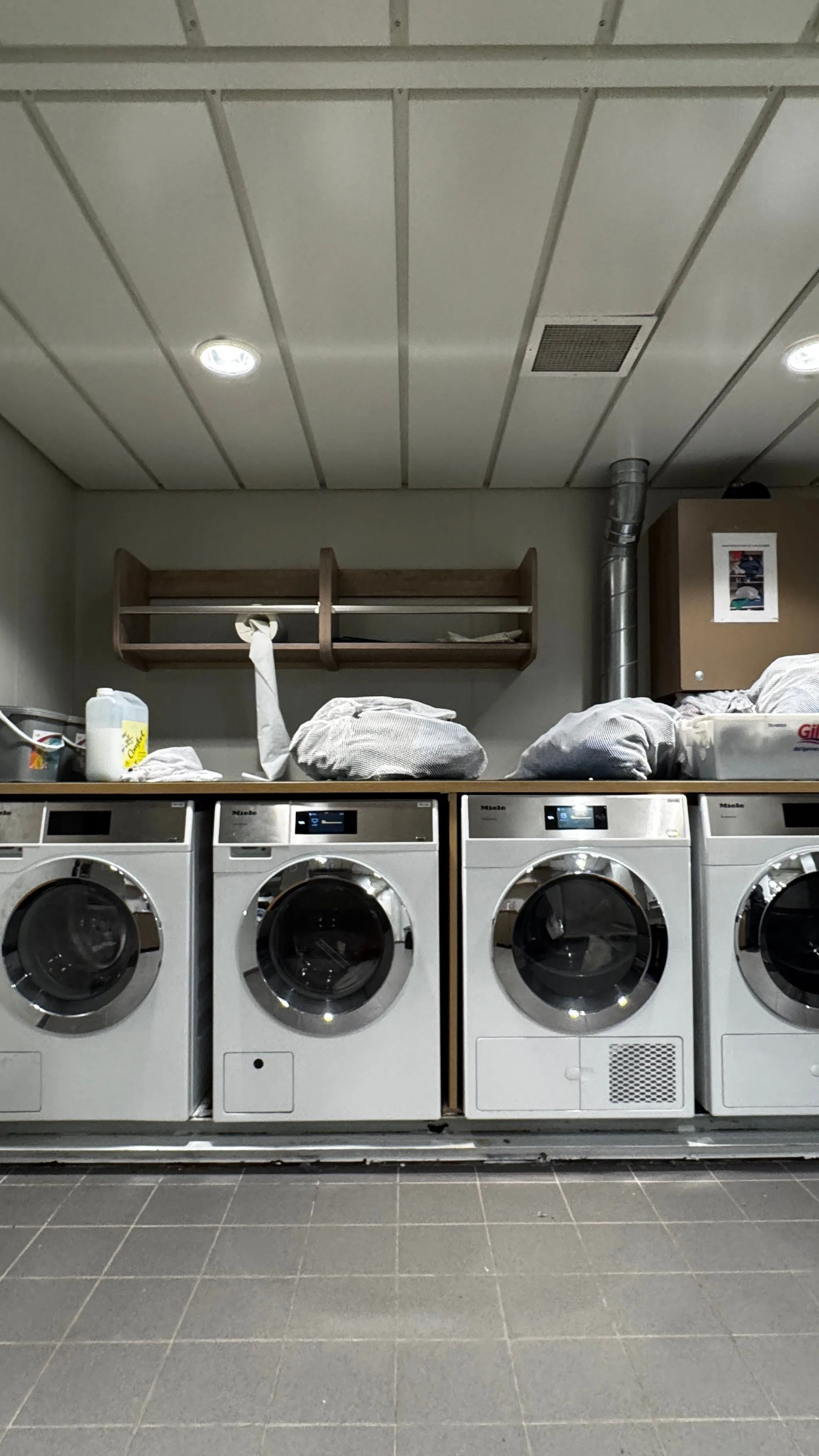
Laundry and drying spaces keep work gear and living spaces separated during long voyages.
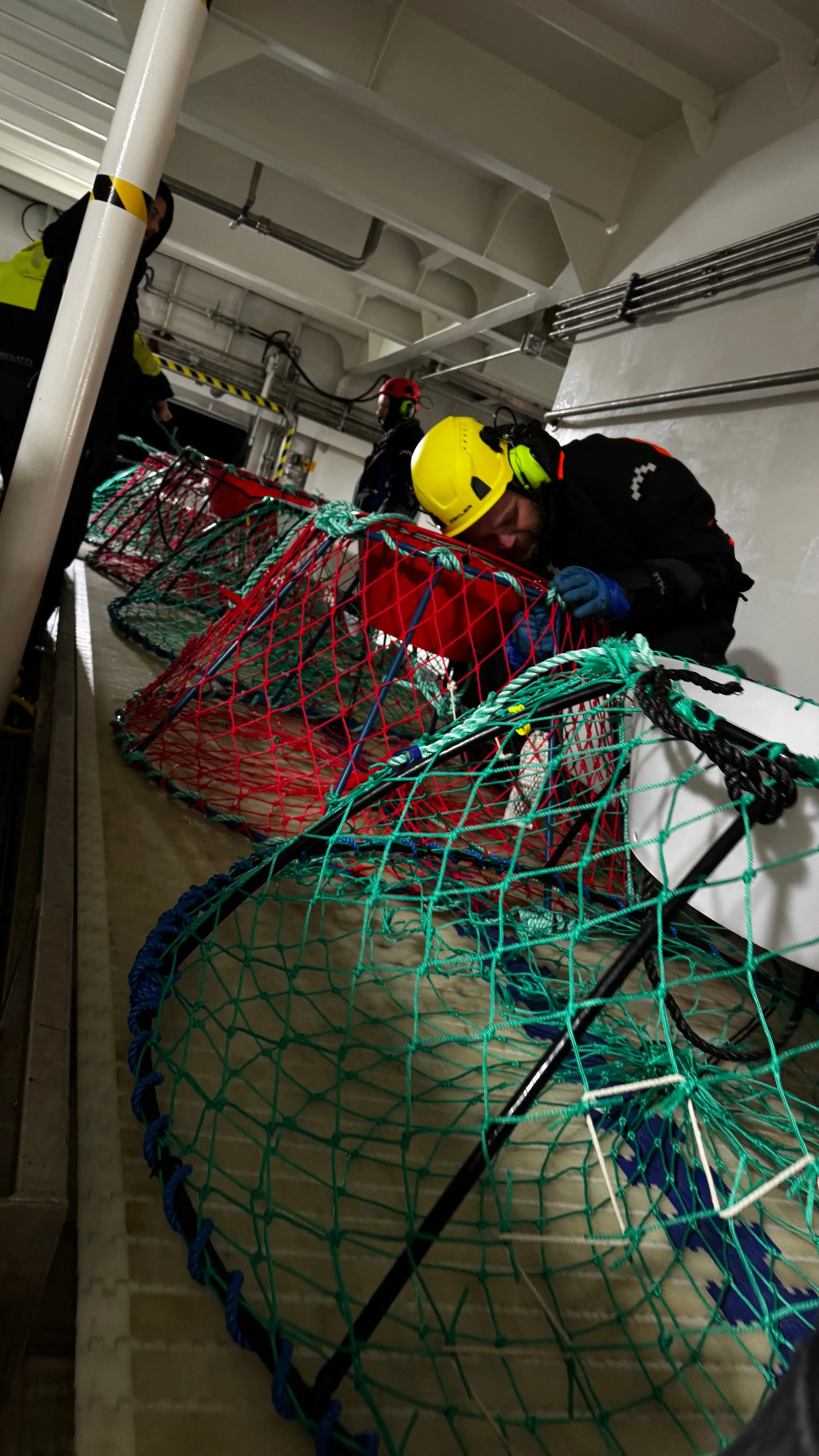
The deck team works around pots, conveyors, safety gear and Arctic weather.
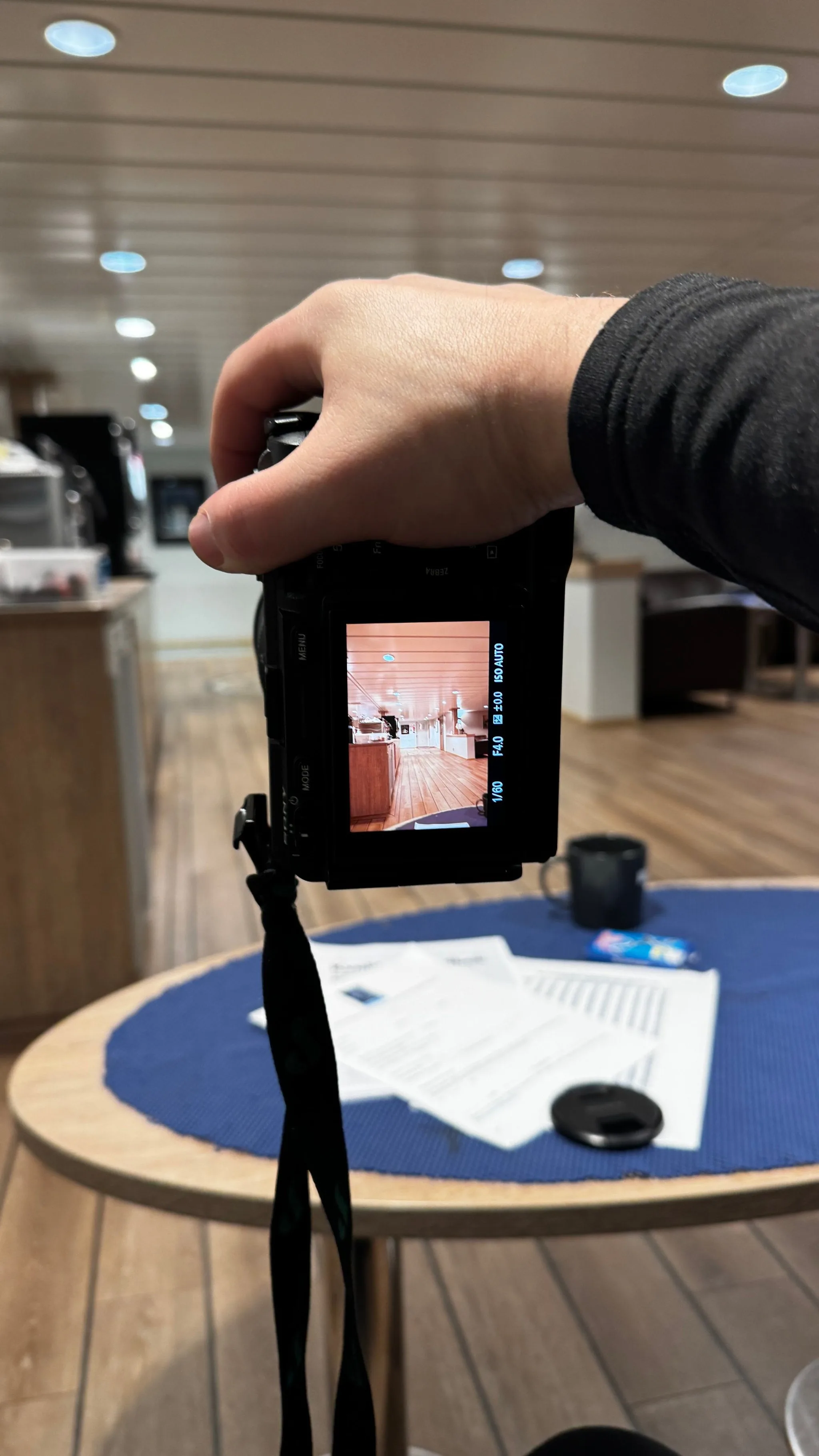
The vessel interior shows the design attention given to modern Norwegian crew spaces.
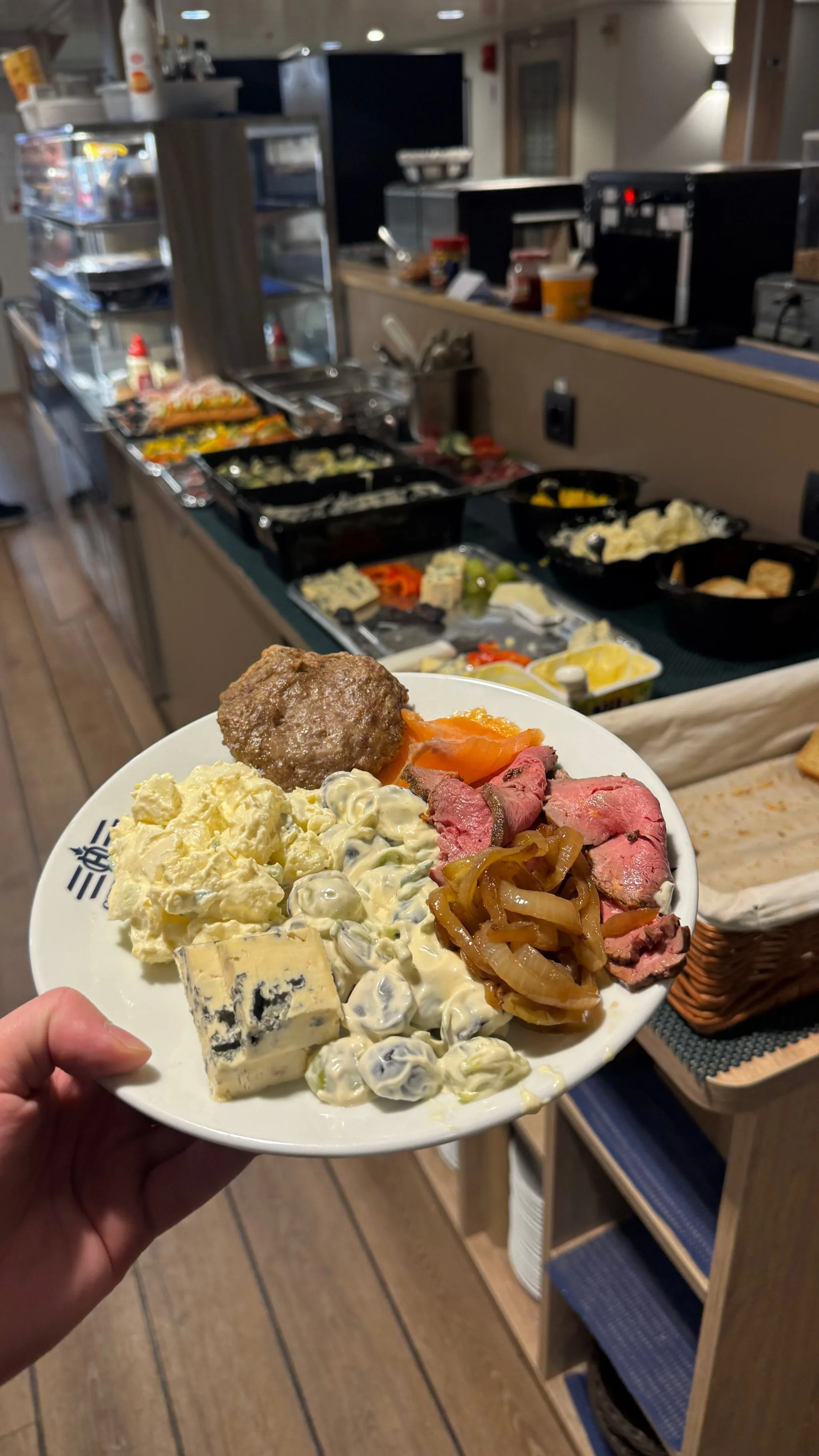
Good food and open access to drinks help the crew recover between watches.
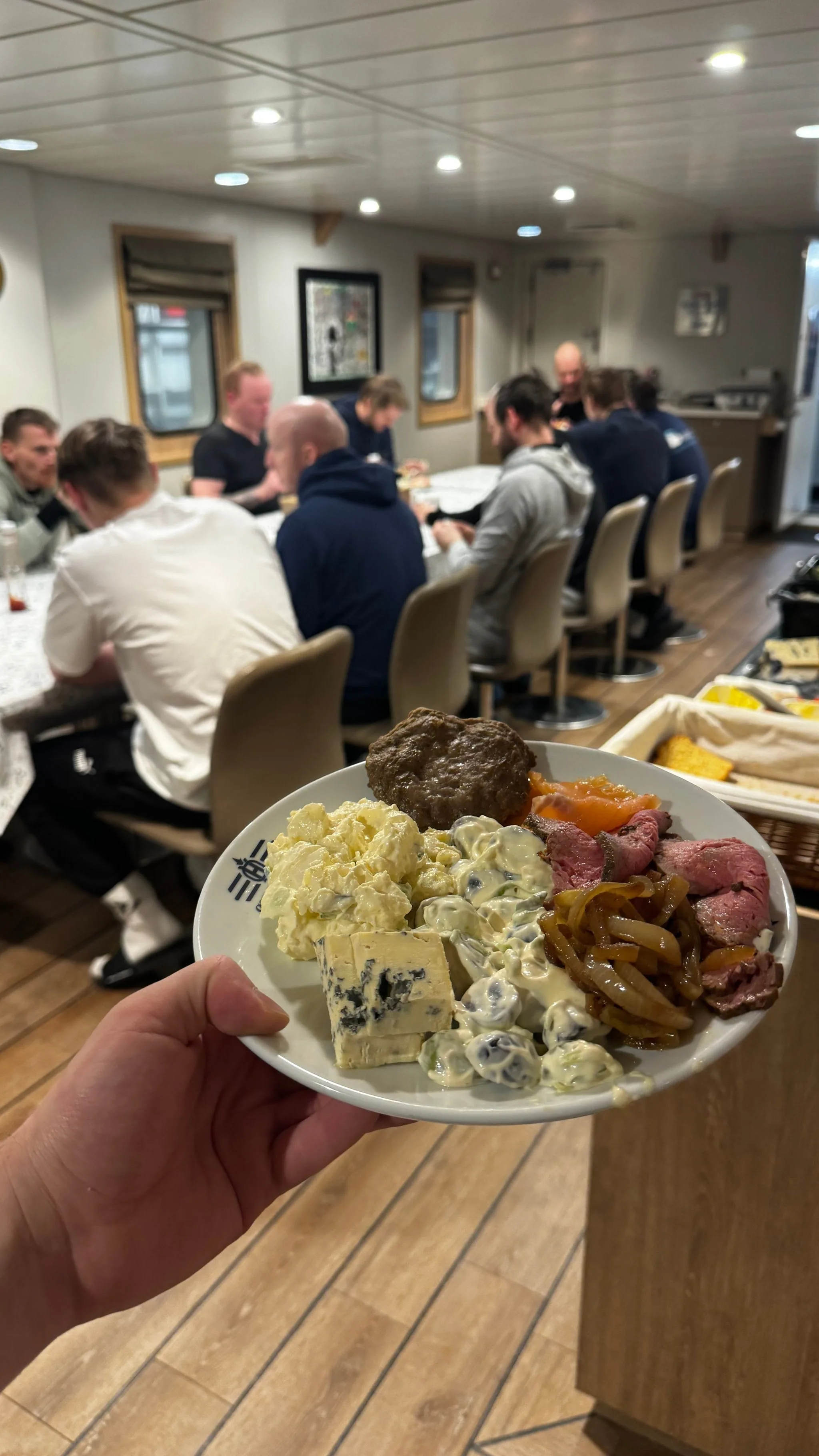
Meals gather the crew across positions and nationalities.
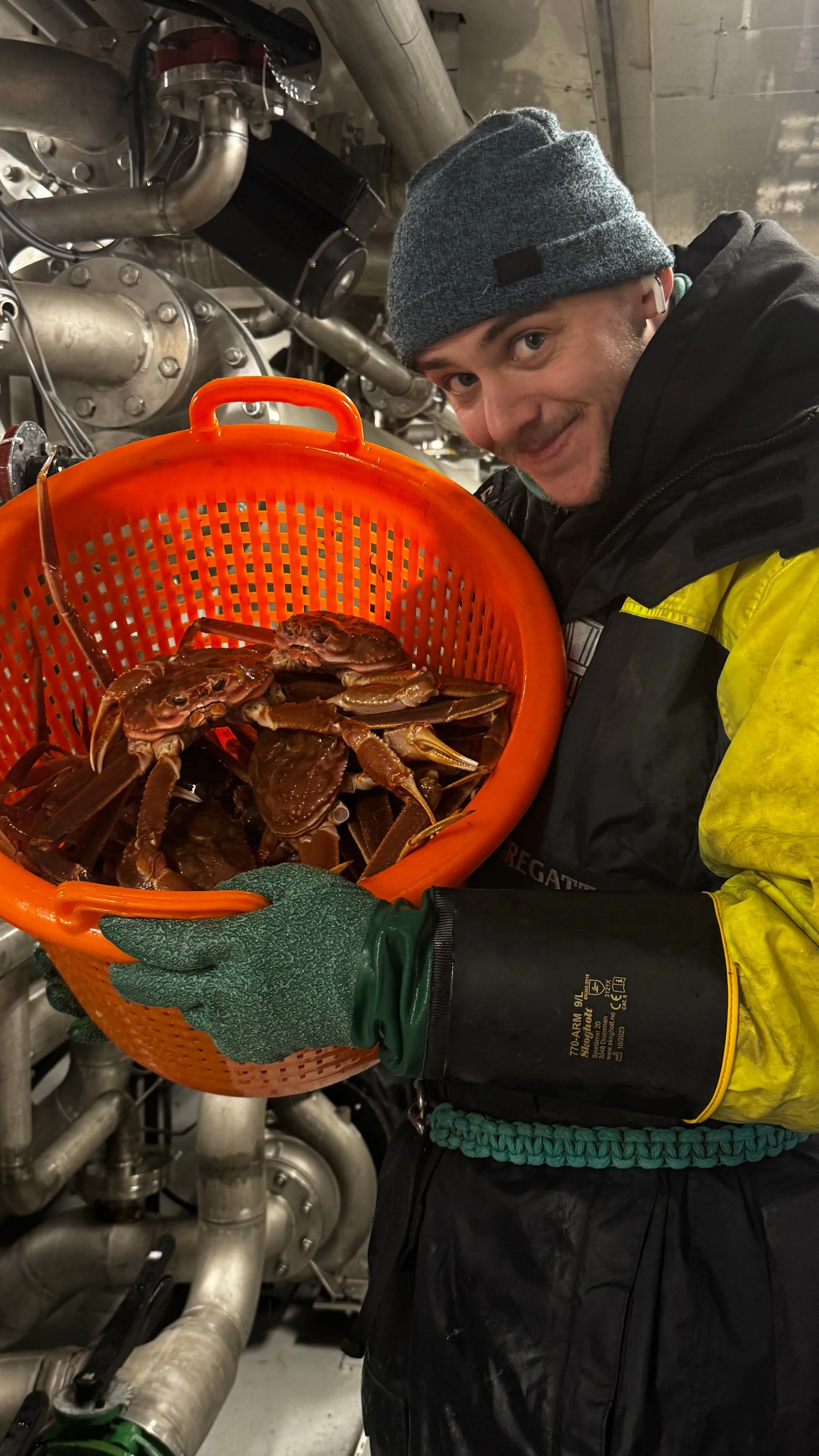
The factory forms, labels, moves and stores product with a high level of automation.
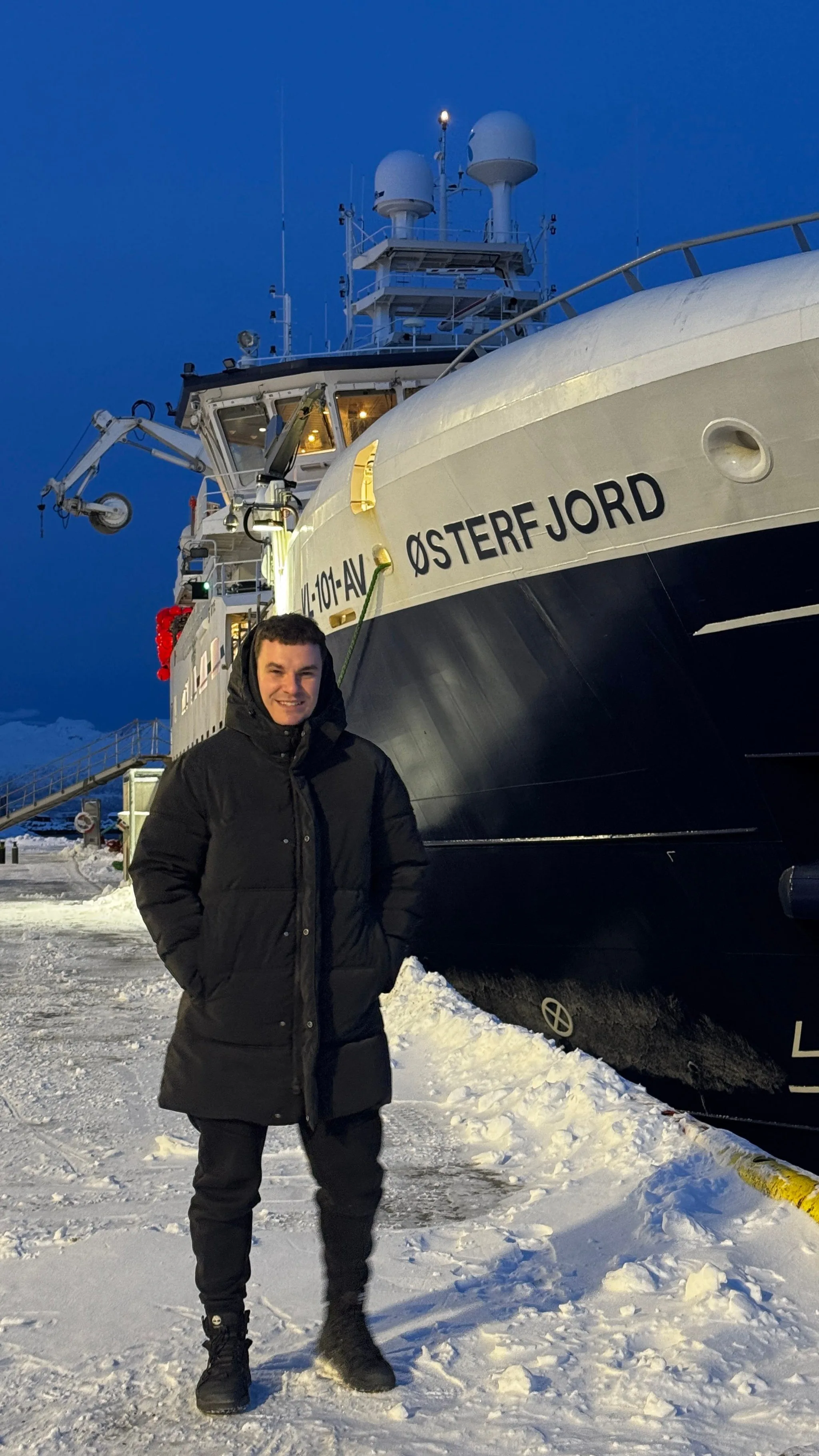
The final image marks the newest vessel in the current Maritime Archive.